



The Allure of the Off-Season
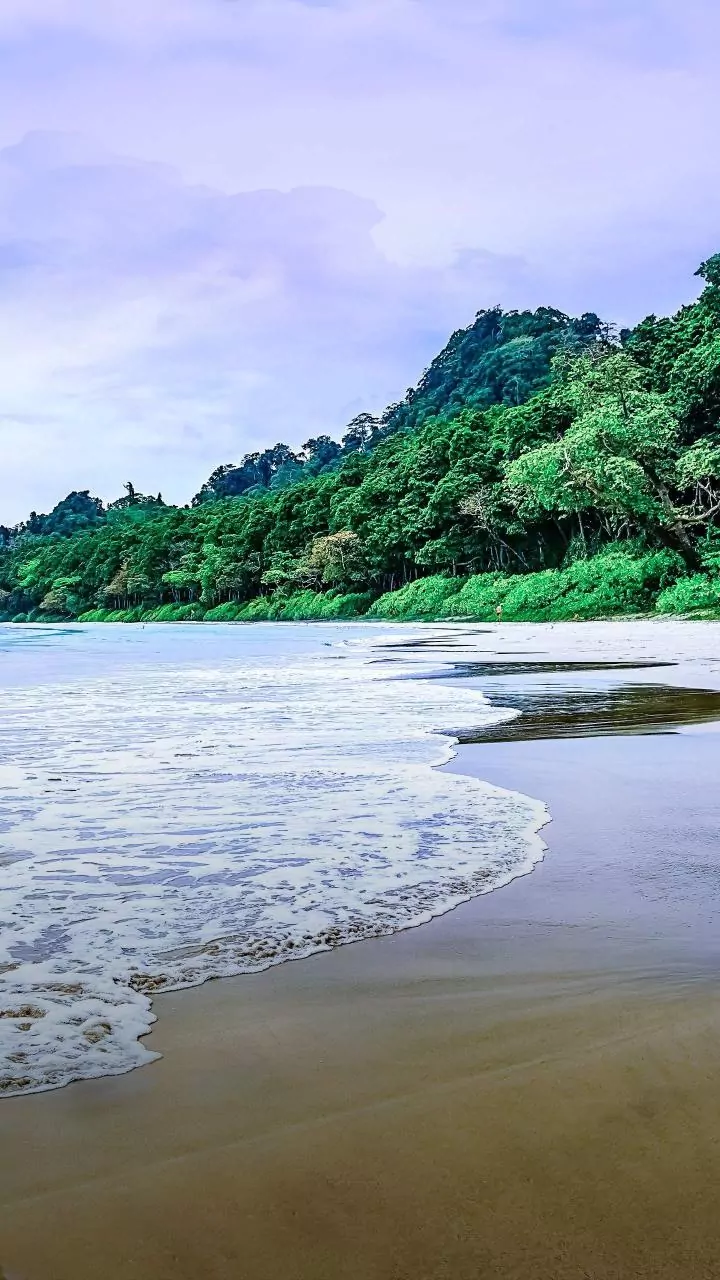
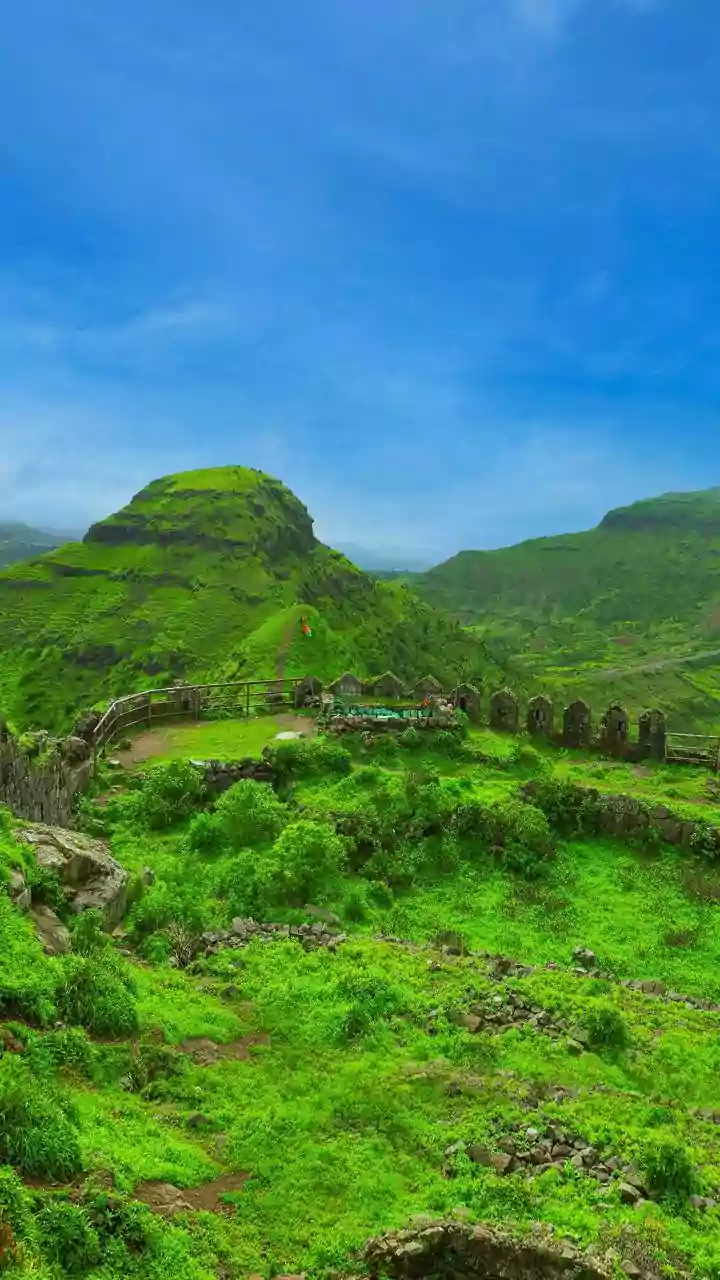
While peak season from November to February draws the biggest crowds, the monsoon months from June to September offer a different kind of magic. The landscape transforms into a vibrant green paradise, the beaches are uncrowded, and the pace of life slows
down considerably. For digital nomads, this translates to lower accommodation costs, fewer distractions, and a chance to connect with a smaller, more tight-knit community of year-round residents. The trade-off, however, is significant. Heavy rainfall can disrupt daily life, and many seasonal businesses, including popular beach shacks and cafes, shut down entirely. This makes the choice of a reliable base of operations more critical than ever.
Infrastructure is Non-Negotiable
The single most important factor for any remote worker in Goa during the rains is infrastructure. Historically plagued by erratic electricity and inconsistent internet, the situation has improved but remains a key concern. Power cuts are common during monsoon storms. Therefore, the number one question for any co-working space is about its power backup. A robust generator or inverter system is not a luxury; it's an absolute necessity to avoid missing deadlines or dropping off important calls. Equally vital is the internet connection. Nomads prioritize hubs that offer high-speed fibre optic internet with backup lines from a different provider to ensure connectivity is maintained even if one service fails.
Community and Atmosphere
When the rain confines everyone indoors for long stretches, the community aspect of a co-working space becomes invaluable. Working from a guesthouse can be isolating, and the monsoon limits spontaneous socialising. A good co-working hub fosters a sense of community through organised events, workshops, or simply a communal lounge where nomads can connect and collaborate. The vibe of the space is also crucial. Some nomads prefer a quiet, hyper-focused environment, while others thrive in a more social, cafe-like atmosphere. In Palolem, where dedicated co-working spaces are less common than in North Goa, many cafes and hostels serve this function. Nomads often test a few places with a day pass before committing to a longer-term plan.
Accessibility and Comfort
Getting around Palolem during a downpour can be a challenge. A co-working hub that is a ten-minute walk in the sunshine can feel a world away when the roads are flooded. Proximity to one's accommodation is a major consideration. Digital nomads often look for hubs that are either within a short, manageable walking distance or have dedicated parking for scooters. Inside the space, ergonomic comfort is another key point. After all, nomads will be spending hours there. Proper office chairs that support long work sessions, ample desk space, and good lighting are features that distinguish a professional workspace from a simple cafe with Wi-Fi. Air conditioning is another important factor for maintaining productivity during the humid Goan monsoon.
Evaluating Cost Against Value
While the cost of living in Goa is generally low, co-working memberships can be a significant monthly expense. Hubs in Palolem and the surrounding South Goa area offer various pricing models, from daily passes to weekly and monthly subscriptions. Digital nomads carefully evaluate what is included in the price. Does the fee include complimentary coffee or tea? Are there private booths for taking calls? Is there access to meeting rooms? Some spaces, like NomadGao's outpost in Palolem, are part of a larger coliving ecosystem, offering a package that includes accommodation and workspace. Others, like Kanvas, function as a restaurant and bar that also caters to remote workers with power outlets at every table. Ultimately, the decision comes down to a balance between the hard infrastructure required for work and the soft benefits of community and comfort.