

From Kitchen Scrap to Superfood
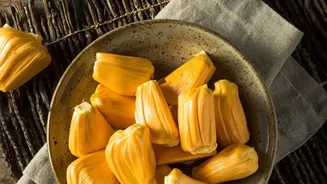
For generations in India, jackfruit seeds were either tossed into a curry or simply thrown away. Accounting for up to 15% of the fruit's total weight, these seeds were largely seen as an agricultural byproduct. Now, food innovators and brands are recognising
them as a treasure trove of nutrition. By drying and grinding these seeds, they are creating jackfruit seed flour—a versatile, nutrient-dense ingredient. This process of 'upcycling' turns potential food waste into a valuable commercial product, creating a new, sustainable revenue stream from a resource that was previously discarded.
The Nutritional Powerhouse
The main driver behind the commercial interest is the flour's impressive nutritional profile. It is significantly higher in protein than many conventional flours like rice and wheat, with some analyses showing protein content ranging from 13% to over 17% after processing. This makes it an attractive option for the growing number of consumers seeking plant-based protein sources. Beyond protein, jackfruit seed flour is naturally gluten-free, catering to a booming market. It is also packed with dietary fibre and resistant starch, which are celebrated for promoting digestive health, improving satiety, and helping to manage blood sugar levels. It’s also a good source of minerals like potassium and magnesium.
Tapping Into a Health-Conscious India
The rise of jackfruit seed flour is perfectly timed. In India, there's a massive consumer shift towards health and wellness. Market trends show a clear demand for 'better-for-you' alternatives to staple foods, with a particular focus on high-protein and gluten-free options. Jackfruit seed flour ticks all these boxes. It aligns with the demand for clean-label products that are minimally processed and derived from natural sources. As consumers become more discerning about the nutritional content of their food, ingredients that offer functional benefits—like improved gut health or better protein intake—are gaining a significant edge in the market.
A Win for Sustainability and Farmers
The commercialisation of jackfruit seed flour isn't just a win for health-conscious consumers; it's a victory for sustainability. Globally, food systems are under pressure to reduce waste. By creating a market for seeds that were otherwise destined for landfills, companies are participating in a circular economy. This also presents a significant economic opportunity. For jackfruit farmers, the seeds can transform from a waste management problem into a second source of income, adding value to their harvest without requiring additional land or resources. This creates a more resilient and profitable agricultural ecosystem.
From Niche to Mainstream
Turning the humble seed into a shelf-stable flour requires a careful process of cleaning, boiling or roasting to remove any anti-nutrients, followed by drying and milling. As this process becomes more standardized, several Indian brands have already started launching their own jackfruit seed flour products, marketing them as additives to regular atta for making rotis, or as a standalone flour for baking. While it remains a relatively new product, its mild, nutty flavour allows it to be easily incorporated into a variety of traditional and modern recipes, from pancakes and cookies to dosas and chapatis. The challenge for brands now is to build consumer awareness and scale up production to make this sustainable superfood a common sight in Indian pantries.