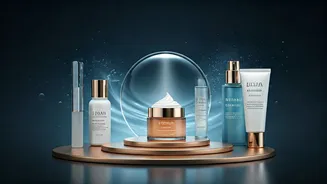






Meet Ectoin, Your Skin’s Protective Shield
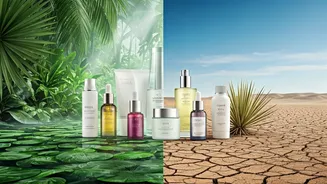
The ingredient gaining steady, science-backed momentum is Ectoin. Discovered in 1985, it's a natural molecule produced by microorganisms living in extreme environments like salt lakes and deserts. These tiny organisms, called extremophiles, create Ectoin to shield
their cells from environmental stress, and it performs a similar protective function for our skin. Think of it as a personal bodyguard for your skin cells, defending them from the daily onslaught of pollution, UV radiation, and blue light. This protective quality is what makes it a powerhouse for achieving a calm, stable, and radiant complexion.
How Does It Deliver That ‘Glow’?
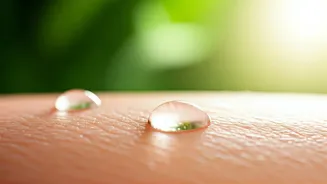
The glow from Ectoin comes from its unique, dual-action approach: hydration and protection. Unlike some hydrators that just pull water to the surface, Ectoin works by forming a stable, protective water shell around each skin cell. This 'hydro-complex' not only provides deep, long-lasting moisture but also physically buffers the cells from external stressors. By preventing water loss (a process known as transepidermal water loss or TEWL) and defending against environmental damage, Ectoin helps the skin barrier function optimally. A strong, hydrated barrier means smoother, calmer skin that reflects light more evenly, resulting in that coveted healthy glow.
Ectoin vs. Hyaluronic Acid
Many people wonder how Ectoin compares to hyaluronic acid, the reigning king of hydration. While both are fantastic for moisture, they work differently. Hyaluronic acid is a large molecule excellent at drawing water into the skin for an immediate plumping effect. Ectoin is a smaller molecule that anchors water at a cellular level and, crucially, adds a layer of environmental protection that hyaluronic acid does not. You don't have to choose one over the other; in fact, they are highly complementary. Using both gives you the surface-level plumping from hyaluronic acid and the deep, barrier-supporting protection from Ectoin.
Who Can Benefit From Ectoin?
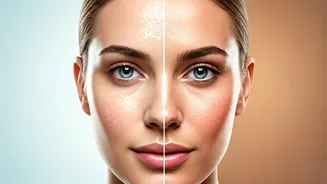
One of the best things about Ectoin is its versatility. It's suitable and beneficial for all skin types. However, it's especially a hero for those with dry, sensitive, or reactive skin due to its incredibly soothing and barrier-repairing properties. If you live in a city with high pollution levels, spend a lot of time in front of screens, or find your skin is easily irritated, Ectoin can make a significant difference. It’s also an excellent partner for potent active ingredients like retinoids, as it can help buffer potential irritation and redness, making the retinol experience much smoother.
How to Weave It Into Your Routine
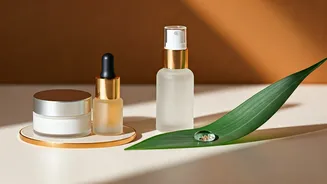
Incorporating Ectoin is straightforward. It is a team player and layers well with other skincare ingredients, including vitamin C, niacinamide, and exfoliating acids. You'll most commonly find it in serums, moisturisers, and even sunscreens. To add it to your routine, look for a serum containing Ectoin and apply it to cleansed, damp skin before your moisturiser. This allows it to lock in that initial layer of hydration and form its protective shield. Because it's so gentle, it can be used both in the morning to protect against daily stressors and at night to support your skin's repair processes.