


Croatia is no longer a secret, with its stunning coastline and historic cities drawing millions. But its popularity means crowds. For a more authentic trip, skip the queues and discover the country's incredible, lesser-known alternatives.
Instead of Dubrovnik, Try Šibenik or Zadar
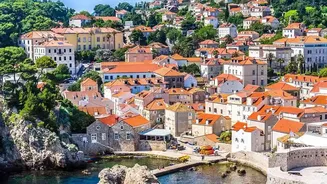
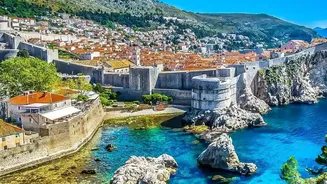
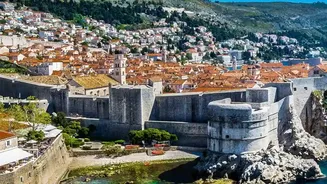
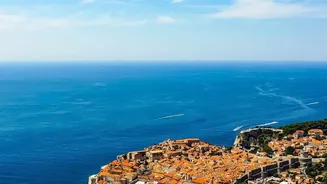
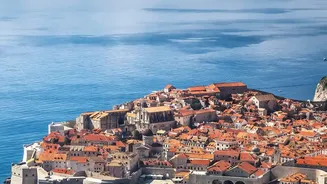
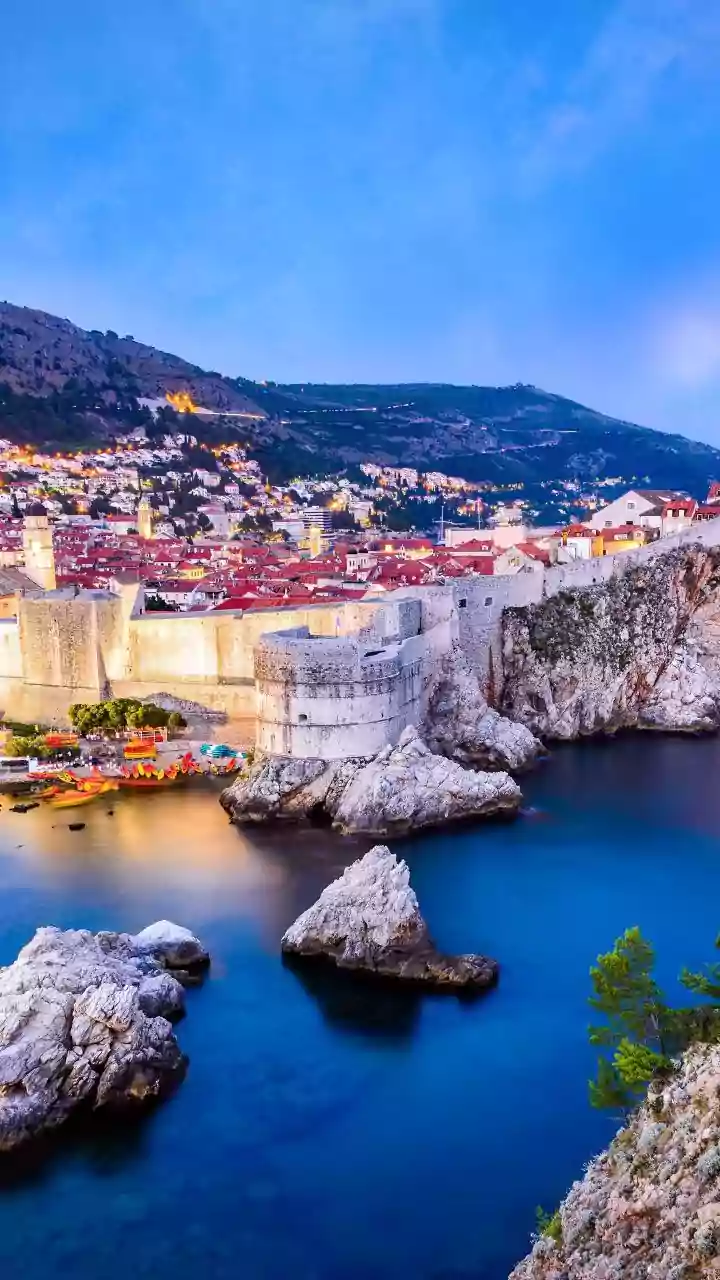
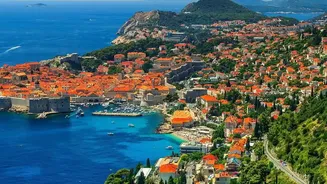
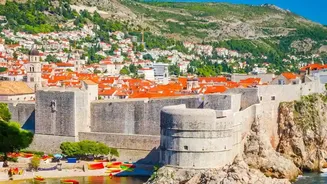
Dubrovnik's ancient
walls are magnificent, but in peak season, the crowds can be overwhelming. For a similar historic seaside vibe without the crush, consider Šibenik. This city boasts two UNESCO World Heritage sites: the stunning Cathedral of St. James and St. Nicholas' Fortress. Its maze-like stone alleys, charming harbour, and hilltop fortresses offer incredible sunset views and a more relaxed pace. Alternatively, Zadar provides a fascinating mix of Roman ruins, medieval churches, and unique modern art installations like the Sea Organ, which creates music from the waves. Both cities serve as excellent bases for exploring the Dalmatian coast and nearby islands.
Swap Plitvice Lakes for Krka or Papuk Nature Park
Plitvice Lakes National Park is a natural wonder of cascading waterfalls and turquoise pools, but its fame means its wooden boardwalks can feel more like a queue than a nature walk. For a similar experience with more breathing room, Krka National Park is a fantastic alternative. While also popular, it is generally less crowded and features the beautiful Skradinski Buk waterfall. If you truly want to get off the beaten path, head to Papuk Nature Park in northeastern Croatia. As a UNESCO Global Geopark, it offers over 200 kilometers of hiking trails through lush forests, meadows, and past waterfalls, providing a sense of discovery that's hard to find at the more famous parks.
Trade Hvar's Party Scene for Vis or Korčula's Charm
Hvar Town is famous for its vibrant nightlife and glamorous visitors, but the island offers much more. For a quieter experience, head to the other side of the island to Stari Grad, a peaceful town with cobblestone streets and a beautiful port. For an even more authentic island escape, take a ferry to Vis. As a former military base, it was closed to visitors until 1989, which preserved its rugged, undeveloped character. It's peaceful, authentic, and perfect for exploring hidden coves and local vineyards. Another great option is Korčula, often called 'Little Dubrovnik' for its stunning medieval old town, but without the intense crowds.
Discover Inland Istria, Not Just the Coast
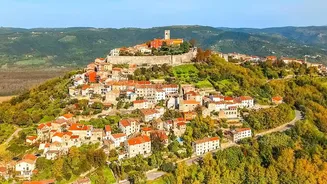
The coastal towns of Istria, like Rovinj and Pula, are beautiful, but the heart of the region lies in its bucolic interior. Often compared to Tuscany, this peninsula is a paradise for food lovers, famous for its truffles, olive oil, and wine. Skip the coastal crowds and explore the medieval hilltop towns of Motovun and Grožnjan. Here, you can go truffle hunting, visit family-run wineries, and enjoy meals at traditional 'konobas' that serve authentic local dishes. The rolling green hills and stone villages offer a fairytale-like landscape that feels worlds away from the busy beaches.
Explore the Unsung Regions of Inland Croatia
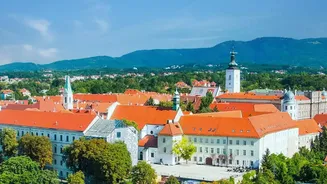
While most visitors stick to the Adriatic coast, Croatia's inland regions offer a rich and different experience. The Zagorje region, just north of the capital, Zagreb, is a landscape of rolling hills, medieval castles like Trakošćan, and thermal spas. It's a land shaped by Central European history, with Baroque churches and quiet villages. Further east, the region of Slavonia is known for its fertile plains, rich culinary traditions, and vast nature parks like Kopački Rit, a wetland paradise for birdwatching. Exploring these areas offers a glimpse into a side of Croatia that many tourists miss, defined by hearty hospitality and a slower pace of life.