







Know the Risks Before You Go
Travelling during heavy rain requires a clear understanding of the potential dangers. Flash floods are a primary concern, capable of turning roads into raging rivers with little warning. These sudden surges can occur in mountainous regions and even low-lying
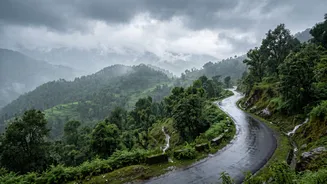
urban areas, making it crucial to avoid crossing flooded roads. The depth of the water is often deceptive, and a vehicle can easily be stalled or swept away. Beyond floods, landslides are a significant risk, particularly in hilly terrain. Prolonged rain saturates the soil, leading to collapses that can block roads for hours or days. In cities, waterlogging is a common issue, causing massive traffic disruption. Being aware of these regional risks is the first step in responsible travel planning.
Plan Your Route and Stay Informed
Before starting your journey, always check the latest weather forecasts from reliable sources like the India Meteorological Department (IMD). Many weather apps and websites can provide route-specific forecasts that help you anticipate conditions. It's also wise to monitor travel advisories from local authorities, who may issue warnings about road closures or dangerous conditions. Build buffer days into your itinerary, as rain-related delays for road, rail, and air travel are common. If possible, plan your travel for the daytime, when visibility is better and you can more easily spot hazards like potholes hidden by water. Always share your travel plan with a family member or friend.
Driving with Extreme Caution
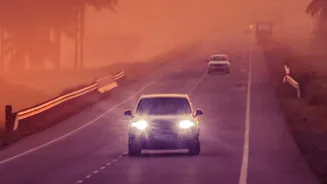
If you must drive, adapting your technique is non-negotiable. Reduce your speed significantly; wet roads increase braking distance and make skidding more likely. The first few minutes of a downpour are often the most dangerous, as the rain mixes with oil and grime on the road, creating a slick surface. Be wary of hydroplaning, where a layer of water between your tyres and the road causes a loss of traction. To avoid this, slow down and avoid sudden movements or sharp turns. If you feel your car start to skid, ease off the accelerator and steer gently in the direction you want to go; do not slam on the brakes. Maintain a safe following distance from the vehicle ahead and use your headlights to improve visibility for yourself and others.
Pack Your Monsoon Essentials
A well-prepared travel kit can make a significant difference. Pack lightweight, quick-drying clothes and avoid heavy fabrics like denim that take a long time to dry. A sturdy raincoat or poncho, an umbrella, and waterproof footwear with good grip are essential. To protect your electronics and important documents, use waterproof bags or zip-lock pouches. Your emergency kit should include a fully charged power bank, a flashlight, a basic first-aid kit with antiseptic and bandages, any personal medications, and insect repellent. It's also a good idea to carry bottled water and some non-perishable snacks.