


The Stillness Within: Yoga’s Breath-Centred Path
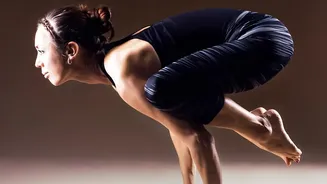
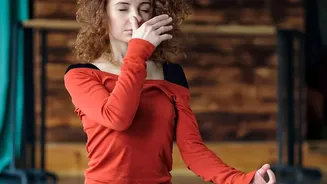
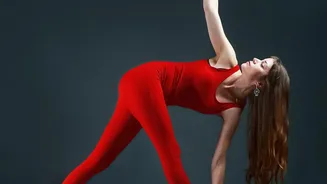
Yoga’s core philosophy is built around the principle of uniting the body and mind, and its primary tool for this is the breath. The practice of pranayama, or conscious breath control, is fundamental to yoga. It’s more than just breathing; it’s the deliberate
regulation of life force energy. Through various techniques—from the calming Ujjayi breath to the energising Kapalabhati—practitioners learn to slow down, extend, and control their inhalations and exhalations. This focus acts as a bridge connecting the physical body to consciousness. The benefits are profound. Studies show that regular pranayama practice can reduce stress by lowering cortisol levels, calm the nervous system, and improve focus. By concentrating on the breath, you anchor yourself in the present moment, which is the essence of mindfulness. This inward journey fosters a state of calm clarity, helping to regulate emotions and quiet the constant chatter of the mind. The physical postures, or asanas, are performed in sync with the breath, turning the practice into a moving meditation where internal awareness is the ultimate goal.
The Freedom of Form: Dance’s Expressive Core
Where yoga turns inward, dance explodes outward. One of the most basic motives of dance is the expression and communication of emotion. It serves as a powerful, non-verbal language that allows individuals to release feelings that may be difficult to articulate. Whether it's the structured grace of ballet, the vibrant footwork of a classical form like Bharatanatyam, or the fluid improvisation of contemporary dance, movement becomes a vehicle for storytelling and emotional release. The physical exertion of dancing triggers the release of endorphins, the body’s natural mood elevators, promoting a sense of happiness and well-being. This can be a cathartic experience, providing a therapeutic outlet to process everything from joy and excitement to grief and anger. Unlike practices where emotions might be observed and quieted, dance often invites you to use feelings as the very fuel for artistry and movement. The focus is less on achieving perfect stillness and more on authentic, embodied expression.
Structure Versus Spontaneity
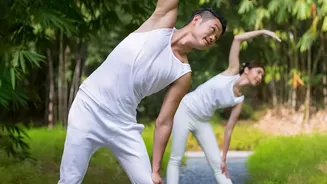
The philosophical differences between yoga and dance are often reflected in their structure. Yoga, particularly styles like Hatha and Ashtanga, follows specific sequences of postures. There's a strong emphasis on alignment, stability, and holding poses to build strength and awareness from the inside out. The structure is designed to create a stable foundation for the mind to settle. In contrast, many forms of dance thrive on spontaneity and external stimuli like music and rhythm. While classical forms such as ballet have rigid techniques, genres like contemporary and jazz encourage improvisation and personal interpretation. The goal isn't necessarily to hold a static shape but to move through space with fluidity and expression. Dance is often a social activity, fostering connection through synchronized movement and shared experience, whereas yoga is typically a more solitary, introspective journey, even when practiced in a group setting.
Where The Two Paths Meet
Despite their different approaches, yoga and dance are not entirely separate worlds. Both are forms of somatic movement, meaning they emphasize the internal experience and the mind-body connection. Both practices significantly improve flexibility, balance, coordination, and body awareness. A dancer can use yoga to improve strength and prevent injury, while a yogi might find that dance helps them unlock a more fluid and expressive quality in their movement. In fact, many modern fusion styles like 'yoga dance' or 'somatic flow' explicitly blend the introspective, breath-focused elements of yoga with the expressive freedom of dance. Both disciplines ultimately recognize that the body is a vessel for experience and can be a powerful tool for healing and self-discovery. Both can lead to a state of 'flow,' where you are completely absorbed in the present moment, free from distraction and self-consciousness.