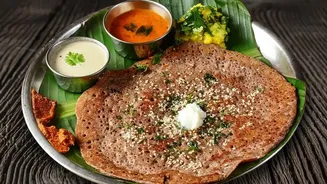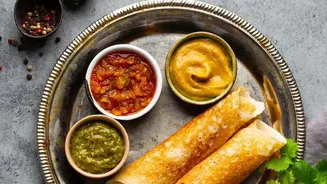


The humble dosa is a beloved staple in countless Indian homes, celebrated for its comforting crispiness. But what if this classic dish could be easily transformed into a protein-packed meal that keeps your family full and nourished for longer?
The Vegetarian Protein Puzzle
For vegetarians,
getting enough high-quality protein can sometimes feel like a puzzle. The key isn't just the quantity of protein, but the quality. Proteins are made of amino acids, nine of which are 'essential' because our bodies can't make them; they must come from food. A 'complete' protein source contains all nine of these essential amino acids in adequate amounts. While many animal products are complete proteins, most plant-based foods are 'incomplete', meaning they are low in one or more essential amino acids. This is why smart pairing of foods is so crucial in a vegetarian diet to ensure you get the full spectrum of nutrients needed for muscle repair, energy, and overall health.
Why Dosa Is a Great Start
Indian cuisine has an innate wisdom, often combining foods in ways that are both delicious and nutritionally synergistic. The traditional dosa is a perfect example of this. The batter is made from rice and urad dal (lentils), a classic grain-and-legume combination. Lentils are typically high in the amino acid lysine but low in methionine, while rice is low in lysine but has more methionine. When eaten together, they complement each other, with one food filling the nutritional gap of the other. This concept, known as protein complementation, means that a simple dosa with sambar already provides a more balanced amino acid profile than either ingredient would alone, making it a solid foundation for a healthy meal.
Enter Paneer: The Protein Powerhouse
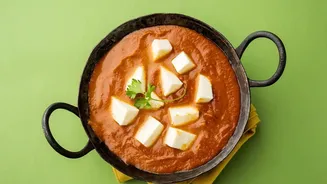
This is where paneer comes in as a game-changer. As a dairy product, paneer is one of the few vegetarian foods that is a complete protein source all on its own. It contains all nine essential amino acids required by the body, making it an excellent and high-quality protein choice. A 100-gram serving of paneer can offer a substantial 18-21 grams of protein, primarily in the form of casein. Casein is a slow-digesting protein, which means it provides a steady release of amino acids, helping you feel full and satisfied for a longer period. Beyond protein, paneer is also a fantastic source of calcium for bone health, B vitamins for energy, and phosphorus.
A Perfect Nutritional Partnership
When you add a generous topping of paneer to your dosa, you are not just adding flavour and texture; you are creating a nutritionally complete and robust meal. You take the already good complementary protein base of the rice-lentil dosa and elevate it with a powerhouse complete protein. This combination ensures your body receives a full array of essential amino acids to support everything from muscle health to immune function. It turns a light meal into a substantial one that can power you through a busy afternoon or serve as a restorative post-workout meal without feeling overly heavy.
Simple and Delicious Topping Ideas
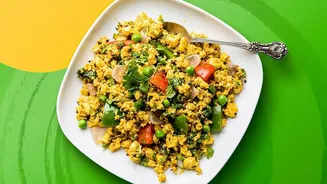
Incorporating paneer is incredibly easy and versatile. You don't need a complicated recipe to reap the benefits. One of the most popular methods is a simple paneer bhurji, or spiced paneer scramble, spread inside the dosa. To make it, simply crumble fresh paneer and lightly sauté it with cumin seeds, finely chopped onions, tomatoes, ginger, and a pinch of turmeric and chilli powder. For an even quicker option, you can grate paneer directly onto the dosa as it cooks on the tawa, allowing it to soften and melt slightly before folding. You could also toss small cubes of paneer with chaat masala and fresh coriander for a zesty, fresh filling.