



The Age of the Viral Meal
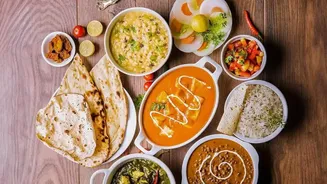
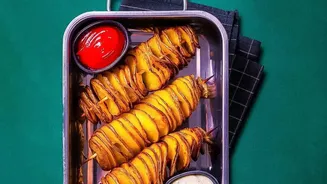
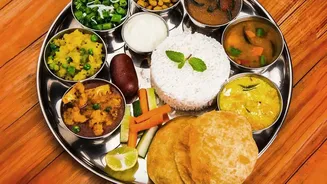
From Dalgona coffee during lockdowns to oversized thalis and fusion creations like butter chicken pizza, our culinary landscape is shaped by what goes viral. Social media platforms have turned food into a visual spectacle, where presentation and shock
value often generate more buzz than flavour. Short-form videos can make a dish famous overnight, sending crowds to a previously unknown street vendor or making a home cook an internet star. This digital wildfire creates an accelerated trend cycle. A dish can be everywhere one week and completely forgotten the next, putting pressure on restaurants to create “Instagrammable” menus rather than lasting culinary experiences. The focus shifts from the act of eating to the act of recording, where the visual appeal is the primary product.
The Missing Ingredient: Context
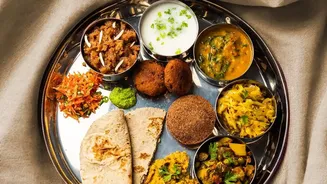
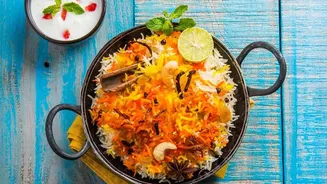
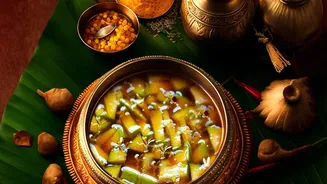
When a recipe is reduced to a hashtag, its soul gets lost. Food is more than just nourishment; it is a carrier of history, identity, and tradition. A dish from Nagaland, for example, isn't just a collection of ingredients; it reflects the region's climate, its community's agricultural practices, and generations of passed-down wisdom. When such dishes are decontextualized for a viral trend, they become a caricature. The story of why a certain spice is used, the significance of a dish in a local festival, or the specific technique developed out of necessity is flattened into a mere aesthetic. This process turns rich cultural artifacts into disposable content, encouraging a superficial engagement with the vast diversity of Indian cuisine.
Making the Case for 'Slow Food'
The antidote to this fast-paced consumption is not to reject trends entirely, but to embrace a 'slower' approach. The global Slow Food movement champions food that is good, clean, and fair, emphasizing local ingredients and traditional methods. In India, this philosophy is finding new relevance. It calls for curiosity—asking where our food comes from and appreciating the stories embedded within it. This could mean seeking out restaurants that prioritize regional heritage or taking the time to understand why a festival is celebrated with a specific sweet. It’s a shift from being a passive consumer of trends to an active participant in culinary culture, valuing sustainability and authenticity over fleeting novelty. This approach not only preserves biodiversity and supports local producers but also enriches our own experience of eating.
The Champions of Culinary Heritage
Fortunately, a growing movement of chefs, home cooks, and food writers across India are already championing this cause. They are the new storytellers, using their platforms to bring forgotten and hyper-regional cuisines into the spotlight. Chefs like Joel Basumatari are reintroducing the world to the modern context of Naga dishes, while Nilza Wangmo's Alchi Kitchen has become a gateway to Ladakhi cuisine. In Mumbai, restaurants are highlighting indigenous ingredients with contemporary flair, while others host pop-ups dedicated to specific community cuisines like Gaud Saraswat Brahmin food. These culinary leaders prove that tradition and modernity can coexist. They use social media not just to chase virality, but to educate, inviting diners to look beyond the plate and understand the culture behind it.