







Beyond the Nutrition Chart
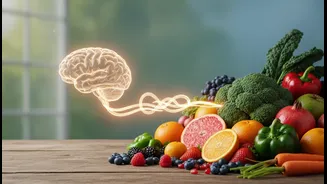
When we hear ‘food literacy’, it’s easy to think of calorie counting or knowing your vitamins. But the concept is much broader and more critical. Food literacy is the ability to make informed decisions about food by understanding its entire lifecycle
and its impact on your health, environment, and economy. It’s a practical life skill that involves not just knowing what to eat, but also the ability to plan meals, select ingredients, prepare food, and critically evaluate the flood of information that surrounds us every day. It’s the difference between passively consuming what’s convenient and actively participating in your own well-being.
Navigating the Modern Indian Food Maze
Today’s young Indian adult faces a bewildering food landscape. Traditional, home-cooked meals are increasingly competing with convenient, ultra-processed foods (UPFs) that are high in salt, sugar, and fat. The retail sales of these foods have surged, driven by aggressive marketing, urbanisation, and busy lifestyles. This dietary shift is a primary contributor to India’s “double burden of malnutrition,” where undernutrition exists alongside a rapid rise in obesity and lifestyle diseases like diabetes and hypertension, which are now appearing at younger ages. With studies showing India has 101 million people with diabetes and 136 million who are pre-diabetic, the stakes for the next generation are incredibly high.
From Information to Action
The internet is overflowing with diet tips, superfood fads, and wellness influencers, making it hard to separate fact from fiction. This is where food literacy becomes a crucial filter. It equips young people with the critical thinking skills to question sources, understand nutrition labels, and see through misleading marketing claims. Someone with strong food literacy is less likely to be swayed by a product’s health halo and more likely to make choices based on genuine nutritional value. It empowers them to move from a state of information overload to one of informed action, taking control of their dietary habits instead of being controlled by them.
More Than Just a Health Issue
The benefits of food literacy extend far beyond physical health. Understanding food systems also has economic and environmental implications. For a young adult on a budget, the ability to cook simple, nutritious meals from scratch is a significant financial advantage over a reliance on expensive takeaway and delivery apps. It fosters independence and self-sufficiency. Furthermore, food literacy encourages an understanding of where food comes from, promoting choices that support local farmers and more sustainable agricultural practices. It connects individual choices to the bigger picture of community well-being and environmental health.
Cultivating a Food-Literate Generation
So, how can this crucial skill be fostered? The change begins with education. Integrating food literacy into school curricula, as some initiatives are attempting, is a vital first step. The FSSAI's 'Eat Right India' movement, for instance, aims to transform the country's food environment and promote safe and healthy eating habits. Such programs can equip adolescents with foundational knowledge before they enter adulthood. But the effort must be broader, involving public awareness campaigns that demystify nutrition and parental education that reinforces healthy habits at home. By making food literacy a national priority, we can empower a generation to not just consume information, but to use it wisely for a healthier life and a more sustainable future.