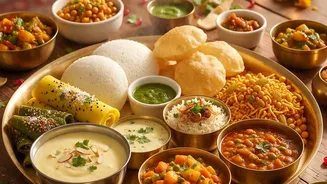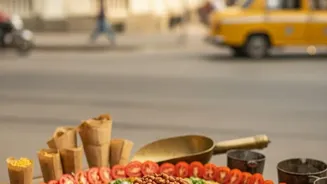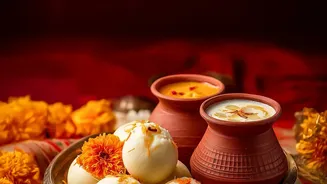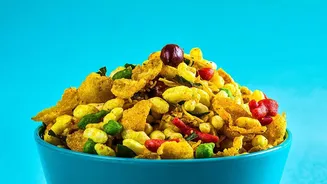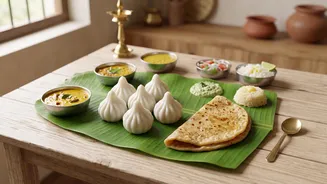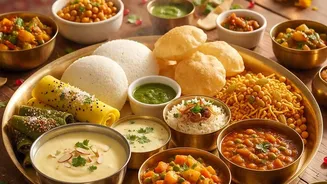

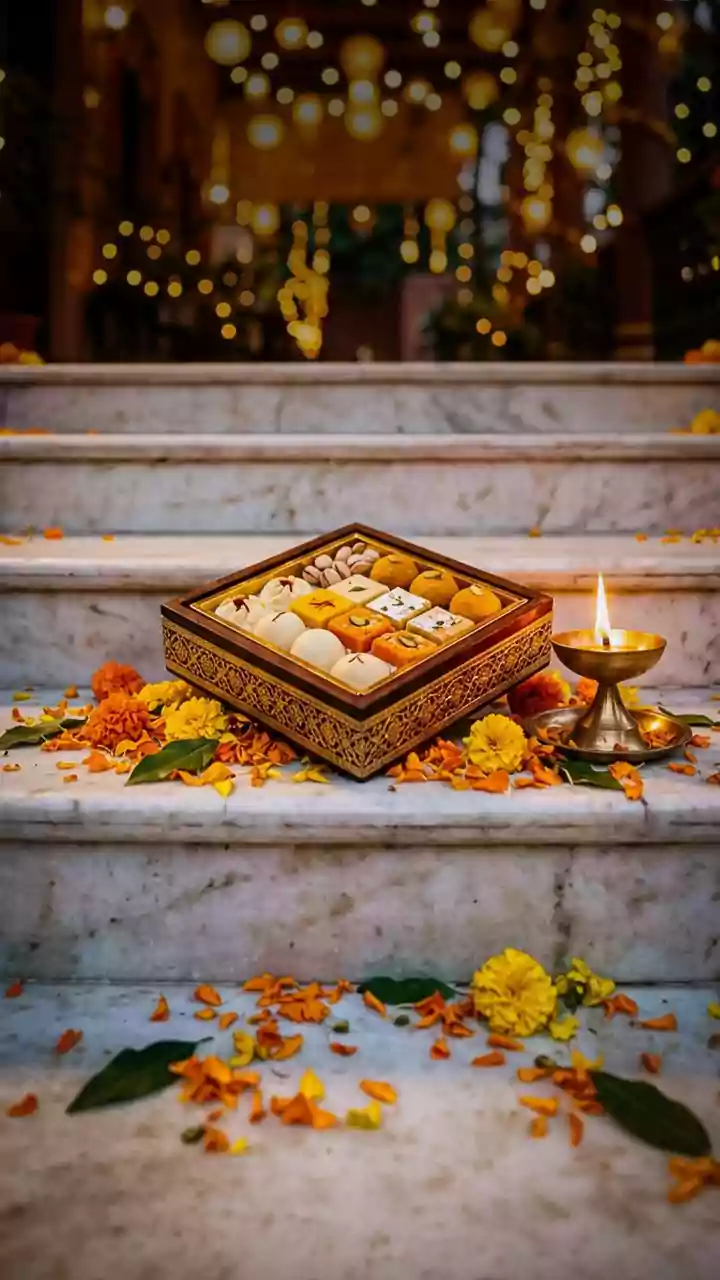


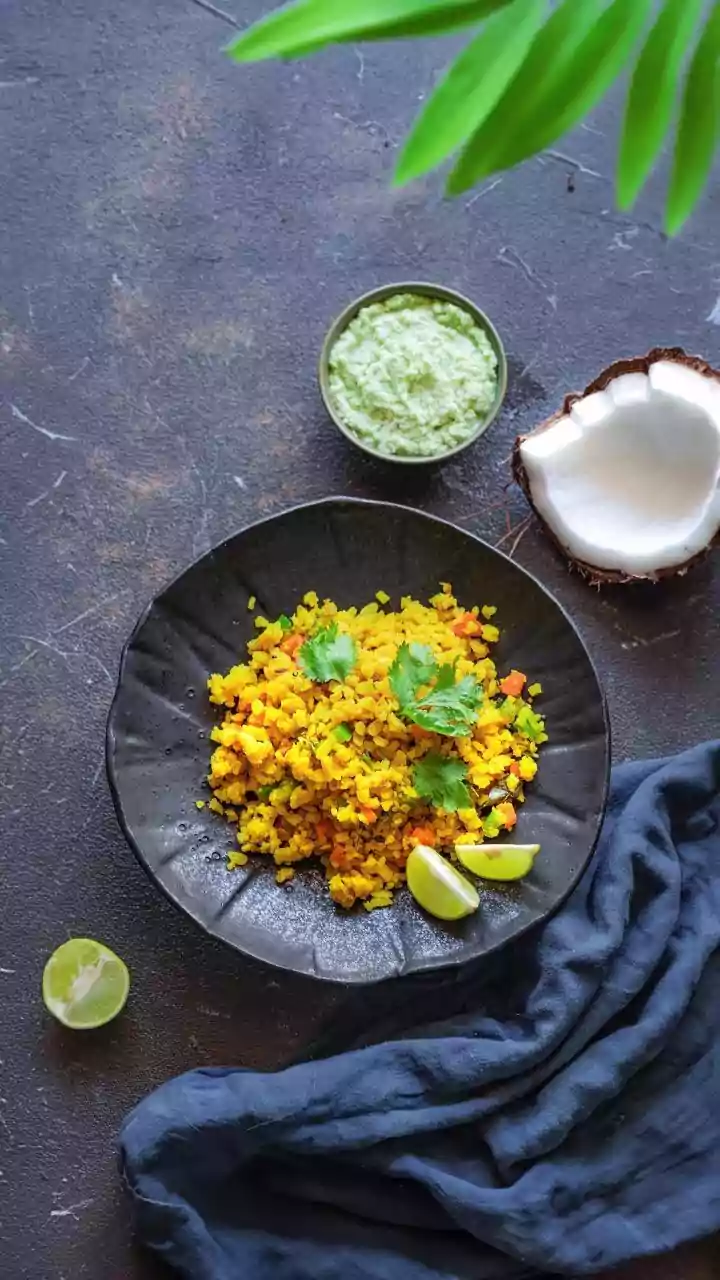
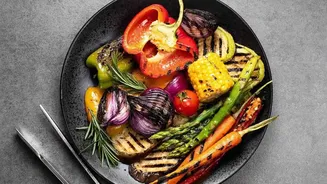
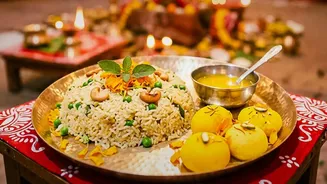
The festive season in India conjures images of tables groaning under the weight of traditional delicacies. Yet, a quiet evolution is taking place in our homes, with pasta salads and baked appetisers now sharing space with puris and halwa.
The Practicality of a Modern Kitchen
One of the biggest
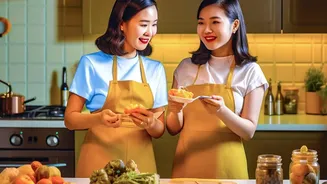
drivers of this change is practicality. Preparing elaborate, traditional festive meals is a labour of love, but it's also incredibly time-intensive. Many classic recipes require complex steps, long cooking times, and a deep understanding of spice blends that can be challenging to master. In households with dual-income couples and packed schedules, spending days in the kitchen is no longer feasible. The hybrid menu is a clever compromise. By supplementing one or two core traditional dishes with quicker, more contemporary options, families can still enjoy the spirit of the feast without the burnout. This also makes hosting more manageable, allowing hosts to spend more time with guests rather than being confined to the kitchen.
A Growing Appetite for Global Flavours
Indian cuisine has a long history of absorbing external influences, from the Portuguese introducing potatoes and tomatoes to the Mughals enriching our food with nuts and dry fruits. The modern hybrid menu is simply the next chapter in this story. Globalisation, travel, and the internet have exposed Indian palates to a world of flavours. It’s no longer surprising to find live pasta counters at weddings or see avocado tacos and millet dimsums on a Diwali party spread. This isn't about replacing Indian food but expanding the definition of festive fare. These international dishes add novelty and excitement, especially for younger family members with globalised tastes.
The Rise of Health-Conscious Celebrations
The new festive mantra seems to be 'Don't eat less, eat right'. There's a growing awareness around health and wellness, which is reshaping how families approach indulgent festive meals. Traditional festive foods are often rich and heavy, and many are now seeking lighter alternatives to balance the spread. This has led to the inclusion of baked or air-fried snacks instead of deep-fried ones, salads moving from a side dish to a main feature, and the use of healthier grains like millets and quinoa. Families are accommodating various dietary needs—from vegan and gluten-free to simply less sugary options—making the celebration more inclusive and enjoyable for everyone without the post-meal guilt.
An Emotional Connection to Tradition
Adopting a hybrid menu is rarely about discarding tradition. Instead, it’s about preserving it in a more sustainable way. For many families, certain dishes are nonstoppable; they are the soul of the celebration, carrying generations of memories in their aroma and taste. These anchor dishes—be it the family's secret biryani recipe or the perfect laddoos—remain at the heart of the menu. The 'hybrid' part of the menu is built around this emotional core. By keeping the most cherished recipes alive and supplementing them with modern additions, families navigate a path that honours their heritage while adapting to presentday realities. It’s a reflection of how culture evolves: not by replacement, but by thoughtful integration.