
Find the Summer Triangle
One of the easiest and most rewarding sights in the late summer sky is the Summer Triangle. This is not an official constellation but an asterism, a prominent pattern of stars, formed by three of the brightest stars in the sky. Look high overhead after
dark to find brilliant Vega, the brightest of the three. From there, you can trace a large triangle with the other two corners marked by Deneb and Altair. Each of these stars is the brightest in its own constellation: Vega is in Lyra (the Lyre), Deneb is in Cygnus (the Swan), and Altair is in Aquila (the Eagle). Using the Summer Triangle as your guidepost is a perfect way to begin exploring the celestial map.
Explore the Milky Way
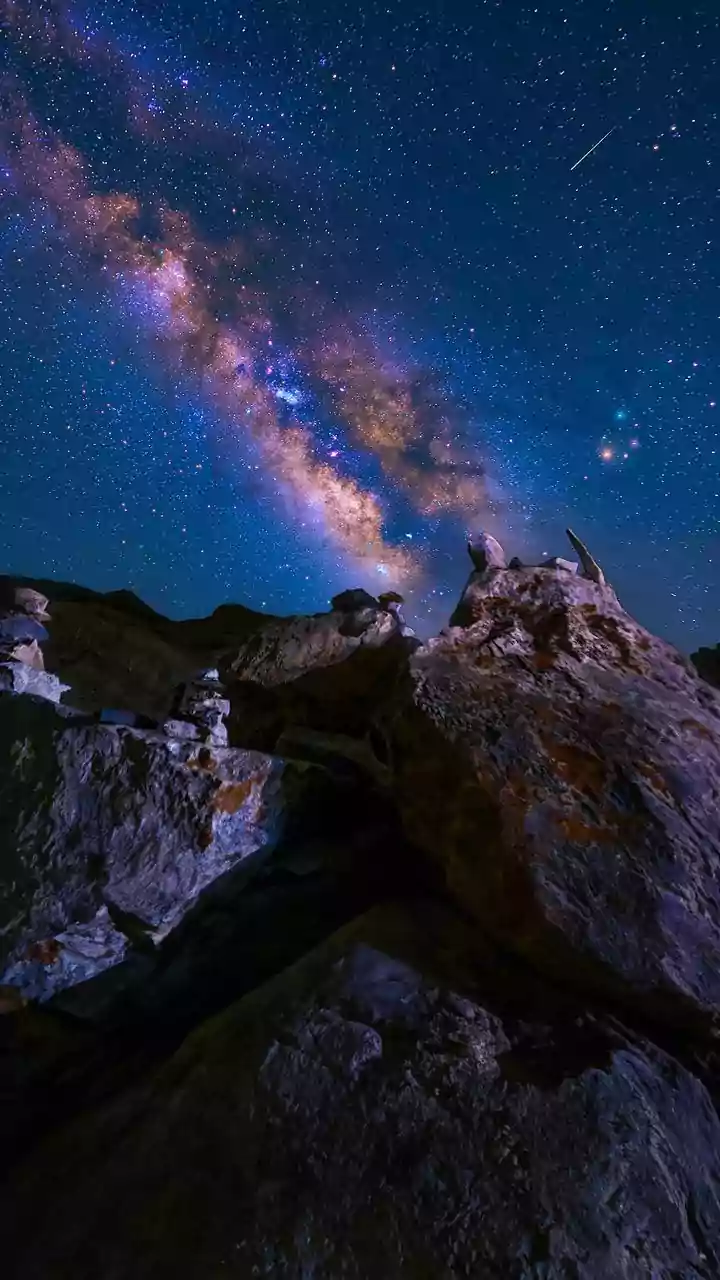
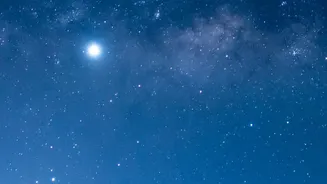
Late August is a fantastic time to view the heart of our own galaxy, the Milky Way. On nights without a bright moon and far from city lights, you can see it stretching across the sky, often passing right through the Summer Triangle. The area between the constellation Sagittarius and the star Altair is particularly rich. If you're in a dark location, give your eyes at least 15-20 minutes to fully adjust; you'll be rewarded with a breathtaking view of this dense band of stars, gas, and dust. For those with binoculars, scanning this region reveals countless star clusters and faint nebulae, offering a deeper look into the galaxy's structure. Cygnus, the swan, appears to fly down the path of the Milky Way, making for a beautiful sight.
A Parade of Planets
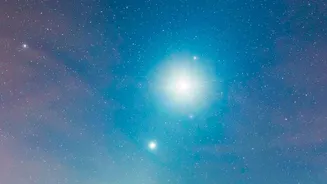
While the much-discussed six-planet alignment was most notable around August 12, several planets remain excellent targets for the rest of the month. Yellowish Saturn rises in the east in the evening and will be high in the sky before dawn. Reddish Mars also makes an appearance in the pre-dawn sky, rising around 2 a.m. and becoming easier to see as the month progresses. Super-bright Venus dominates the western sky shortly after sunset. On August 17 and 18, you can catch the waxing crescent moon in a lovely alignment with Venus and the bright star Spica in the southwest. While some planets like Jupiter and Mercury become harder to spot in the twilight, Saturn, Mars, and Venus provide reliable and beautiful sights.
Discover Hidden Constellations
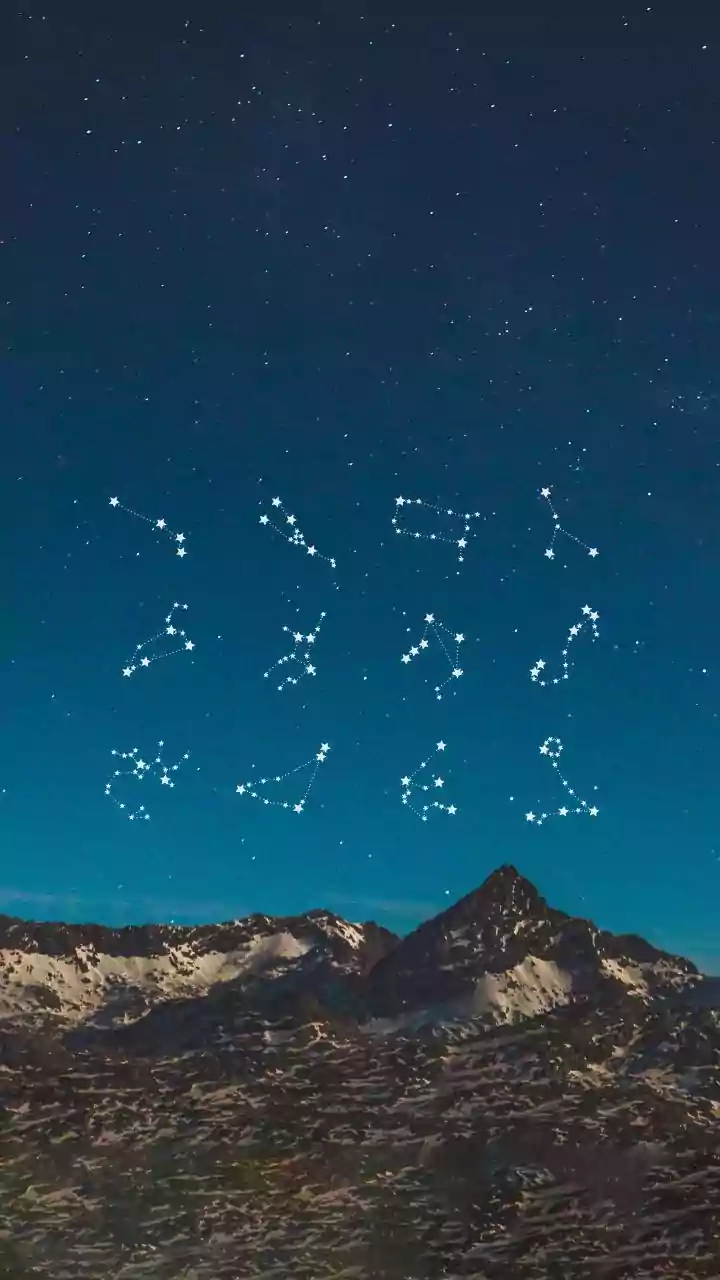
Once you've mastered the Summer Triangle, you can start hunting for the smaller, fainter constellations nestled within and around it. Lying down on a blanket can make this upward gazing more comfortable. Tucked near the center of the triangle is Vulpecula, the Fox. Nearby, you can find the small, sharp pattern of Sagitta, the Arrow, and the charmingly compact Delphinus, the Dolphin. In the southern part of the sky for Northern Hemisphere observers, look for the distinctive 'Teapot' shape of Sagittarius. This constellation is famously located in the direction of the center of our galaxy and is crowded with celestial objects.
Get Ready for a Lunar Eclipse
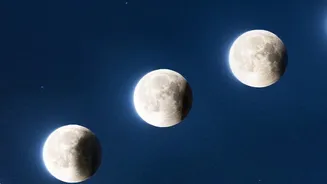
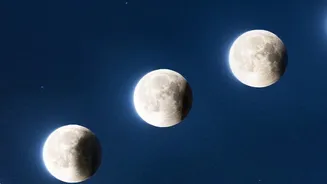
As August comes to a close, the sky offers one more major event. On the night of August 27-28, a deep partial lunar eclipse will be visible across much of the Americas, Europe, and Africa. During this event, about 96% of the Moon will pass through Earth's dark inner shadow, the umbra. This can cause the eclipsed portion of the Moon to take on a dramatic, coppery-red hue as sunlight filters through our planet's atmosphere. Unlike a solar eclipse, a lunar eclipse is perfectly safe to view with the naked eye, so mark your calendar for this impressive finale to a month of stargazing.