



The Dessert Flooding Your Feed
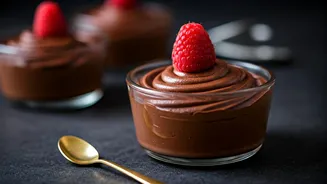
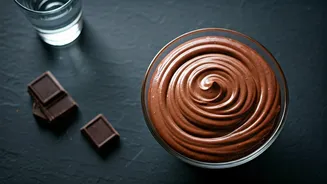
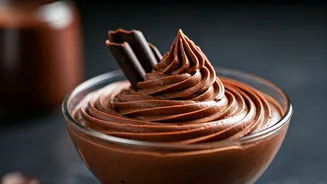
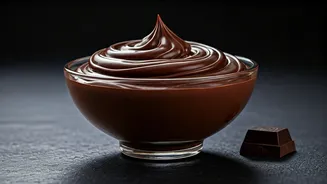
If you’ve scrolled through Instagram Reels or TikTok lately, you’ve probably seen it: a bowl of glossy, dark chocolate mousse being whipped into stiff, cloud-like peaks. The camera then reveals the secret ingredient, not with a flourish of cream and eggs,
but with a humble can of chickpeas. This is aquafaba chocolate mousse, and it has captured the internet’s imagination for being unbelievably simple, plant-based, and a genius way to reduce food waste. Food bloggers, home cooks, and even professional chefs are celebrating this culinary hack that transforms a liquid most of us pour down the drain into a luxurious dessert. The appeal is obvious: it’s an accessible, allergy-friendly treat that delivers on texture and richness without any dairy or eggs.
The Magic Ingredient: What Is Aquafaba?
‘Aquafaba’ is the now-famous term for the viscous water in which legumes like chickpeas have been cooked or canned. The name itself is a combination of the Latin words for water (aqua) and bean (faba). For years, this liquid was discarded without a second thought. That changed in 2014 when a French tenor, Joël Roessel, discovered its foaming properties while experimenting with vegan-friendly recipes. A year later, an American software engineer named Goose Wohlt coined the term ‘aquafaba’ and popularised its use as a direct replacement for egg whites in a Facebook group called 'Vegan Meringue - Hits and Misses!'. The discovery set the vegan culinary world alight. Suddenly, everything from meringues and macarons to mayonnaise and mousses was possible without eggs. The most common and reliable source for aquafaba is the liquid from a standard can of chickpeas, making it an incredibly cheap and readily available ingredient.
How Bean Water Becomes Mousse
The transformation from chickpea brine to fluffy mousse isn’t magic—it’s simple food science. Aquafaba contains a mix of proteins and starches that leak from the chickpeas during the cooking process. When you whip it with an electric mixer, the proteins unfold and trap air bubbles, just like egg whites do. This creates a stable foam that can be used as the base for the mousse. The starches in the liquid help to stabilize these air bubbles, preventing the foam from collapsing. When you gently fold in melted chocolate, the foam structure holds, and as the chocolate cools and sets, it creates the light, airy, yet rich texture characteristic of a classic mousse. It’s a remarkable chemical reaction that happens to be completely plant-based.
How to Make Viral Aquafaba Mousse
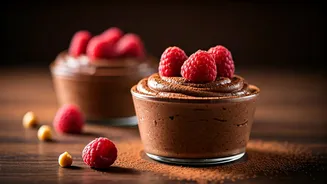
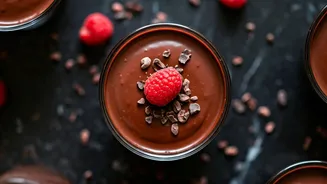
Ready to try it yourself? This dessert is surprisingly forgiving. All you need are a few basic ingredients and an electric mixer. A stand mixer is ideal, but a handheld electric beater works perfectly well. **Ingredients:** - Liquid from 1 can (400g) of unsalted chickpeas (this should yield about 1/2 to 3/4 cup of aquafaba) - 100g good-quality dark chocolate (70% cocoa solids or higher is best) - 1-2 tablespoons of powdered sugar or maple syrup (optional, to taste) - 1/2 teaspoon vanilla extract - A pinch of cream of tartar (optional, but helps stabilize the foam) **Instructions:** 1. **Melt the Chocolate:** Break the chocolate into small pieces and place it in a heatproof bowl. Melt it either in the microwave in 30-second bursts (stirring in between) or over a saucepan of gently simmering water (a bain-marie). Once smooth, set it aside to cool slightly. It should be lukewarm, not hot, when you fold it in later. 2. **Whip the Aquafaba:** Pour the chickpea liquid into a large, clean, and grease-free bowl. Add the pinch of cream of tartar, if using. Using an electric mixer, start whipping on a medium speed. It will look foamy at first, but keep going. After 3-5 minutes, it will start to thicken and form soft peaks. 3. **Sweeten and Stiffen:** Once you have soft peaks, add the sugar (if using) and vanilla extract. Turn the mixer up to high and continue whipping for another 5-7 minutes, or until the mixture is thick, glossy, and forms stiff peaks. When you lift the beaters, the peak should hold its shape and not flop over. 4. **Combine:** Gently fold in the cooled, melted chocolate. Add about one-third of the chocolate to the whipped aquafaba and fold it in with a spatula to lighten the mixture. Then, add the remaining chocolate and fold until just combined. Be careful not to overmix, as this will deflate the air bubbles. 5. **Chill and Serve:** Divide the mousse into serving glasses or bowls. Let it chill in the refrigerator for at least 4 hours, or overnight, to set completely. The chilling process is crucial for the final texture. Serve it cold, perhaps with a few fresh berries or a sprinkle of chocolate shavings.
Tips for Mousse Success
While the recipe is simple, a few tips can ensure a perfect result every time. First, make sure your mixing bowl and beaters are completely clean and free of any oil or grease, as fat can prevent the aquafaba from whipping up properly. Second, don't be tempted to stop whipping too early. You're looking for genuinely stiff, glossy peaks. This can take up to 15 minutes, so be patient. Finally, a common question is whether the mousse tastes like chickpeas. The answer is no! The strong flavour of the dark chocolate completely masks any subtle beany notes, leaving you with pure, decadent chocolate flavour.