








Go Beyond the Sticker Price
The first step for any savvy shopper is to look past the large, friendly price on the oversized package and calculate the price per unit. This is the true measure of a deal. To find it, simply divide the total cost by the quantity (e.g., price per litre,
price per kilogram, or price per roll). Many stores display this on the shelf tag, but it's always wise to double-check the maths yourself, especially when comparing different-sized packages. A larger box doesn't always guarantee a lower unit cost. Sometimes, a smaller item on sale at a regular grocery store can be a better value than its wholesale club counterpart.
Honestly Assess Your Usage Rate
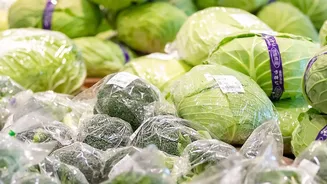
A fantastic deal is worthless if the product ends up in the bin. Before committing to a mega-pack of anything, you must be brutally honest about how quickly your household will consume it. That industrial-sized container of mayonnaise might seem like a bargain, but condiments often expire a couple of months after opening. Buying perishables like fresh fruits and vegetables in bulk is particularly risky unless you have a large family or a concrete plan to use or preserve them immediately. Overbuying perishable food is one of the quickest ways to waste money. A good rule is to never buy a bulk version of a product you haven't tried before; you might not like it, leading to waste.
Factor in the 'Hidden' Cost of Storage
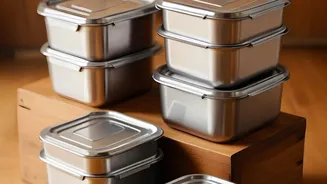
One of the most overlooked aspects of bulk buying is storage. Where are you going to put that 48-pack of paper towels or 10-kilogram bag of rice? Improper storage can lead to spoilage, waste, and pest infestations. Dry goods like flour, grains, and beans require airtight containers and should be stored in a cool, dark, and dry place to maintain their quality. Storing food near heat sources, like an oven, or in direct sunlight can drastically reduce its shelf life. Similarly, buying a case of frozen vegetables is only a good deal if you have enough freezer space to accommodate it without having to play a frustrating game of food Tetris every time you need something.
Know Your Shelf Lives
Not all products are created equal when it comes to longevity. While white rice can last for years, brown rice has oils that can make it go rancid in about six months. Many people are surprised to learn that items like bleach, liquid detergents, and even spices lose their potency over time. Bleach starts to degrade after about six months, and many spices lose their flavour after a year. Buying these in massive quantities may mean you're using a less effective product by the time you get to the end of the container. Always check expiration dates and consider the product's stability before you buy big.
Best Bets for Buying in Bulk
Certain items are consistently good candidates for bulk purchasing. Non-perishable pantry staples are often a safe bet. This includes items like dried beans and pasta, which can last for one to two years if stored properly. Canned goods such as soups and tuna, with their long shelf lives, are also excellent choices. Household supplies that you will always need, like toilet paper, paper towels, and certain cleaning powders (which are more stable than liquids), are typically smart buys. Non-perishable items you use daily and have ample storage for are almost always a win in the bulk aisle.
When to Skip the Bulk Aisle
Conversely, some items are rarely worth buying in large quantities. As mentioned, fresh produce is a major culprit for waste unless you're feeding an army or preserving it. Cooking oils can go rancid, so unless you do a lot of frying, a giant bottle might spoil before you finish it. Spices, especially ground ones, lose their flavour quickly, making large containers a poor investment for the average home cook. It is also wise to be cautious with over-the-counter medications and beauty products, as they have expiration dates and can lose their efficacy. Finally, be wary of buying snack foods in bulk, as the temptation to consume them more quickly can negate any potential savings.