




What Are Terracotta Coatings?
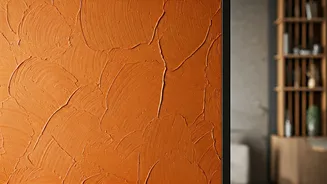
Forget what you know about traditional wall coverings. Terracotta coatings aren't paint, nor are they simply terracotta-coloured paint. They are a type of plaster or render made from a blend of natural materials, primarily clay, lime, marble dust, and
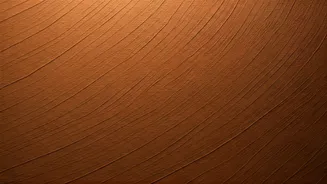
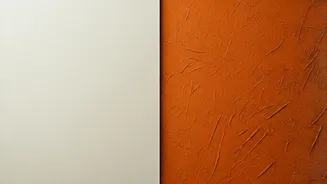
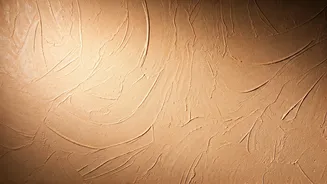
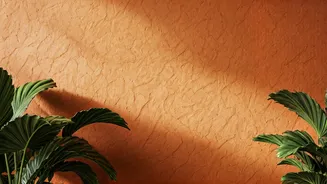
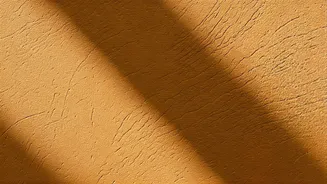
finely ground terracotta powder. This composition gives them a unique, slightly textured, matte finish that feels organic and handcrafted. Unlike synthetic paints and vinyl wallpapers that create a sealed, plastic-like layer on your walls, these coatings work with your home's environment. The application itself is an art, often applied by trowel in thin layers, resulting in subtle variations in tone and texture that make each wall a unique piece of art. The final look is sophisticated yet unpretentious, echoing the timeless appeal of ancient earthen structures found across India.
The 'Breathable' Wall Explained
The word “breathable” is key here. It refers to the material's hygroscopic nature, meaning it can absorb excess moisture from the air and release it when the air becomes dry. Think of your walls as a natural humidity regulator. In humid Indian climates, especially during monsoon, this property can be a game-changer. By managing indoor humidity levels, breathable terracotta coatings help inhibit the growth of mould and mildew, which thrive in damp conditions. This not only protects the structural integrity of your home but also contributes to healthier indoor air quality. It’s a stark contrast to many modern wallpapers and acrylic paints that trap moisture, often leading to hidden damp patches and that musty smell we all dread.
An Earthy, Warm Aesthetic
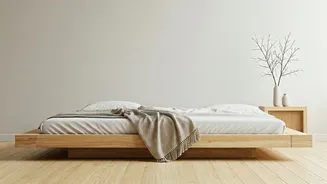
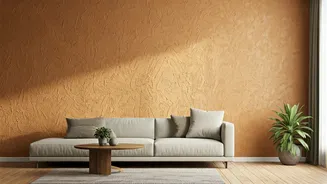
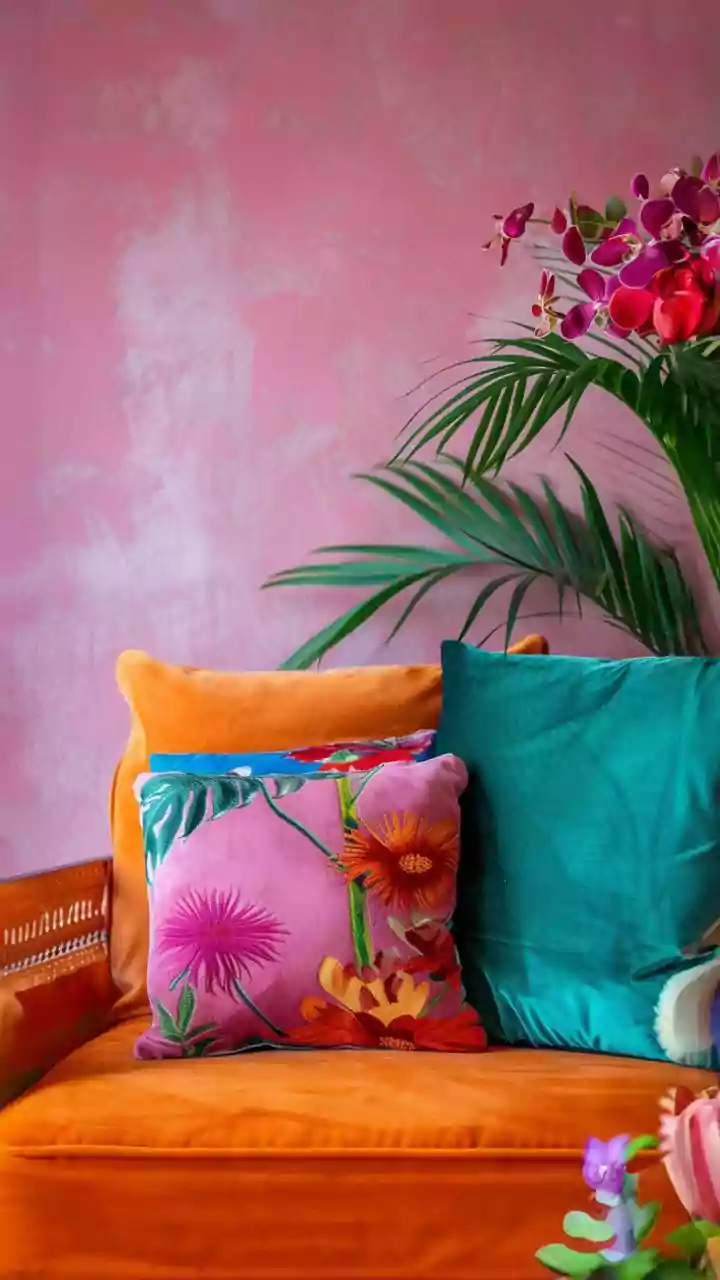
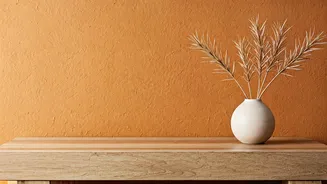
The primary draw for many is the aesthetic. Terracotta coatings instantly infuse a space with warmth and character. The colour palette ranges from pale, dusty pinks to rich, sun-baked oranges and deep, earthy reds. The finish is never flat; it has a depth and movement that catches the light beautifully throughout the day. This natural, imperfect texture aligns perfectly with popular design philosophies like Wabi-Sabi, which finds beauty in imperfection, and modern minimalism, which favours natural materials and textures over sterile, uniform surfaces. A terracotta-coated wall serves as a stunning, tactile backdrop for furniture, art, and plants, creating a room that feels grounded, serene, and connected to the natural world.
Health and Sustainability Benefits
Beyond regulating humidity, these coatings are champions of a healthy home. Most are made with zero or very low Volatile Organic Compounds (VOCs). VOCs are chemicals found in many standard paints and adhesives that can “off-gas” into your home, potentially causing respiratory issues and other health problems. By choosing a natural clay or lime-based plaster, you are opting for a non-toxic material. Furthermore, these materials are inherently sustainable. Clay and lime are abundant natural resources, and the production process is generally less energy-intensive than that of synthetic paints. Many of these plasters are also naturally fire-resistant and can even help with sound insulation, making your rooms quieter and more peaceful.
What to Consider Before You Commit
While the benefits are compelling, it’s important to have a complete picture. First, cost. High-quality terracotta coatings and the skilled labour required to apply them typically cost more than a standard paint job. The application is a specialised craft and not a simple DIY weekend project, so hiring an experienced professional is crucial for a good finish. Second, durability. While very hard-wearing, these plasters can be more prone to chipping or staining from oils compared to a washable acrylic paint. Repairs, while possible, can be tricky to blend seamlessly. It's a more permanent decision than wallpaper, which can be stripped and replaced with relative ease. Think of it as a long-term investment in your home's character and health.