



Spring: A Fresh, Tart Awakening
After a long winter, spring's harvest is a welcome burst of color and tartness. These fruits signal the start of the growing season and are perfect for pies, jams, or simply eating fresh. **Strawberries (April-June):** Forget the pale, oversized winter versions.
Seasonal strawberries are smaller, ruby-red through and through, and intensely fragrant. Look for bright red berries with fresh green caps. Avoid any that look bruised or dull. Rhubarb (April-June): Technically a vegetable, rhubarb is the quintessential spring pie filling. Its stalks should be firm, crisp, and richly colored, ranging from pink to deep red. The leaves are toxic, so always discard them. Apricots (May-June): A fleeting treat, fresh apricots are soft, fragrant, and delicately sweet. They should be plump and yield slightly to gentle pressure. Avoid greenish or overly firm ones, as they won't ripen properly.
Summer: The Season of Sweetness
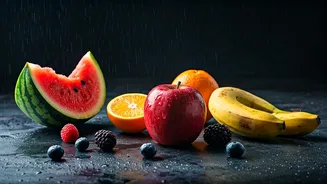
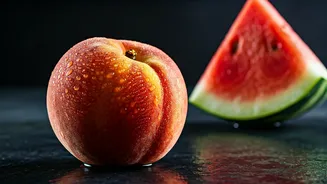
Summer is the undisputed champion of fruit. From backyard barbecues to beach picnics, this is when nature's candy is at its most abundant and delicious. **Berries (June-August):** Blueberries, raspberries, and blackberries are at their peak. For blueberries, look for a uniform, deep blue-purple color with a dusty white bloom, which is a natural protective layer. For raspberries and blackberries, check the container for any signs of mold or crushed fruit at the bottom. **Stone Fruit (June-September):** This category includes peaches, nectarines, plums, and cherries. A perfectly ripe peach or nectarine will have a sweet aroma and give slightly when pressed near the stem. Don’t be fooled by the red blush on a peach; the background color should be a creamy yellow, not green. Cherries should be plump, shiny, and firm with their stems attached. **Melons (July-September):** The key to a great melon is weight—it should feel heavy for its size. For cantaloupe, look for a pronounced netting pattern and a sweet smell at the blossom end. For watermelon, a deep, hollow sound when tapped and a creamy yellow “field spot” (where it rested on the ground) are signs of ripeness.
Fall: A Crisp, Cozy Harvest
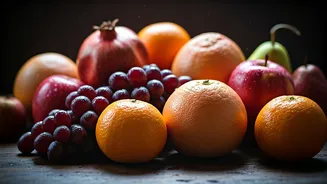
As the air turns crisp, the fruit follows suit. Fall is all about firm, satisfying fruits that are perfect for baking, lunchboxes, or pairing with cheese. **Apples (September-November):** With thousands of varieties, there’s an apple for everyone. Honeycrisp and Gala are great for snacking, while Granny Smith and Braeburn hold their shape beautifully when baked. Look for firm apples without bruises or soft spots. The sheer variety at farmers' markets this time of year is a treat in itself. **Pears (September-December):** Unlike most fruit, pears ripen best off the tree. Buy them when they are firm and let them sit on your counter. You’ll know a Bartlett is ready when it turns yellow and fragrant. For other varieties like Bosc or Anjou, “check the neck”—gently press the area near the stem. If it yields, it’s ready to eat. **Grapes (August-October):** In-season grapes are plump, firm, and firmly attached to their stems. A dusty white coating, or “bloom,” is a good sign, indicating they haven’t been overhandled.
Winter: Bright Citrus and Hardy Gems
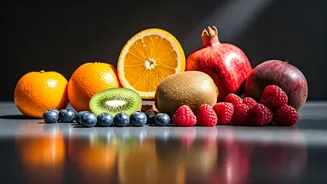
While the local growing season quiets down in much of the country, winter is when citrus fruits from warmer states like Florida, California, and Texas are at their absolute best. They provide a much-needed dose of sunshine on cold days. **Citrus (December-March):** This is primetime for oranges (especially Navel and Cara Cara), grapefruit, clementines, and lemons. Look for fruit that is heavy for its size, which indicates juiciness. Skin should be glossy and relatively smooth, not puffy or wrinkled. The color should be vibrant and uniform. **Pomegranates (October-January):** A true winter jewel. Choose one that feels heavy with smooth, taut skin. A pomegranate doesn’t ripen after it’s picked, so what you see is what you get. The deeper the red color, the better. **Kiwis (October-January):** While available year-round, domestic kiwis peak in the colder months. A ripe kiwi will yield to gentle pressure, much like a peach.