




Understanding the Monsoon Menace
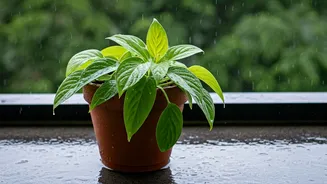
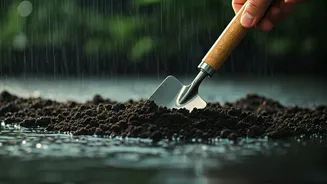
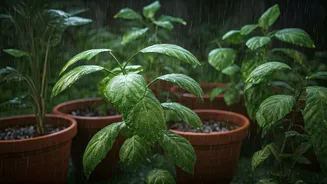
Root rot is a plant disease caused by fungi or bacteria that thrive in soggy, oxygen-deprived soil. During the monsoon season in India, the combination of heavy rainfall, high humidity, and reduced sunlight means that soil in pots and gardens stays wet
for extended periods. Roots need air to function, and when they are suffocated by water, they begin to decay. This decay can spread rapidly, preventing the plant from absorbing nutrients and water, eventually leading to its demise if left untreated.
Spotting the Telltale Warning Signs
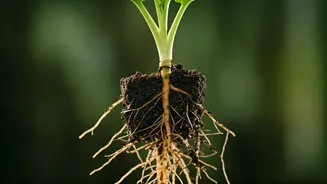
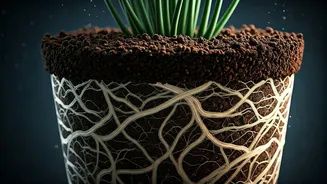
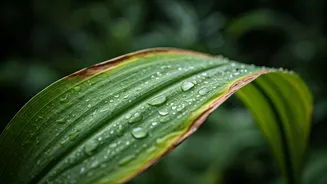
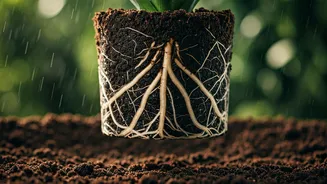
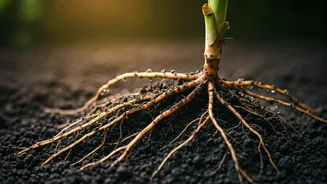
Identifying root rot early is crucial for saving your plant. The first symptoms often appear above ground. Look for leaves that are yellowing or wilting, even when the soil is damp. This is a classic sign that the roots are no longer able to absorb water properly. Other indicators include stunted growth, quickly declining health, and a generally droopy appearance. To confirm your suspicions, you'll need to check the roots themselves. Healthy roots are typically firm and white or tan. If you see roots that are brown or black, feel soft and mushy, and possibly emit a foul, swampy odour, you are dealing with root rot.
A Step-by-Step Rescue Mission
If you've confirmed root rot, act fast. Gently remove the plant from its container and wash the soil from the roots under lukewarm running water to get a clear look. Using a pair of clean, sterilized scissors or pruners, carefully trim away all the dark, mushy, and infected roots. Be thorough, as any diseased roots left behind can allow the rot to spread again. Some experts recommend pruning back about one-third of the plant's foliage as well; this reduces the stress on the smaller, recovering root system. Finally, discard the old, contaminated soil. Clean the pot thoroughly with a disinfectant solution (like a mix of bleach and water) before repotting the plant in fresh, sterile, well-draining potting mix.
The Art of Monsoon Prevention
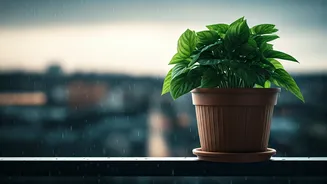
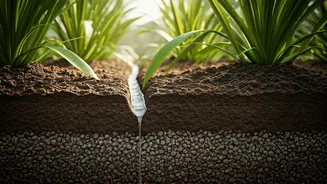
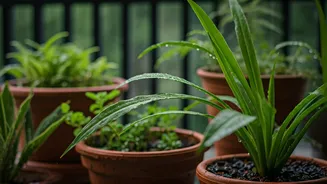
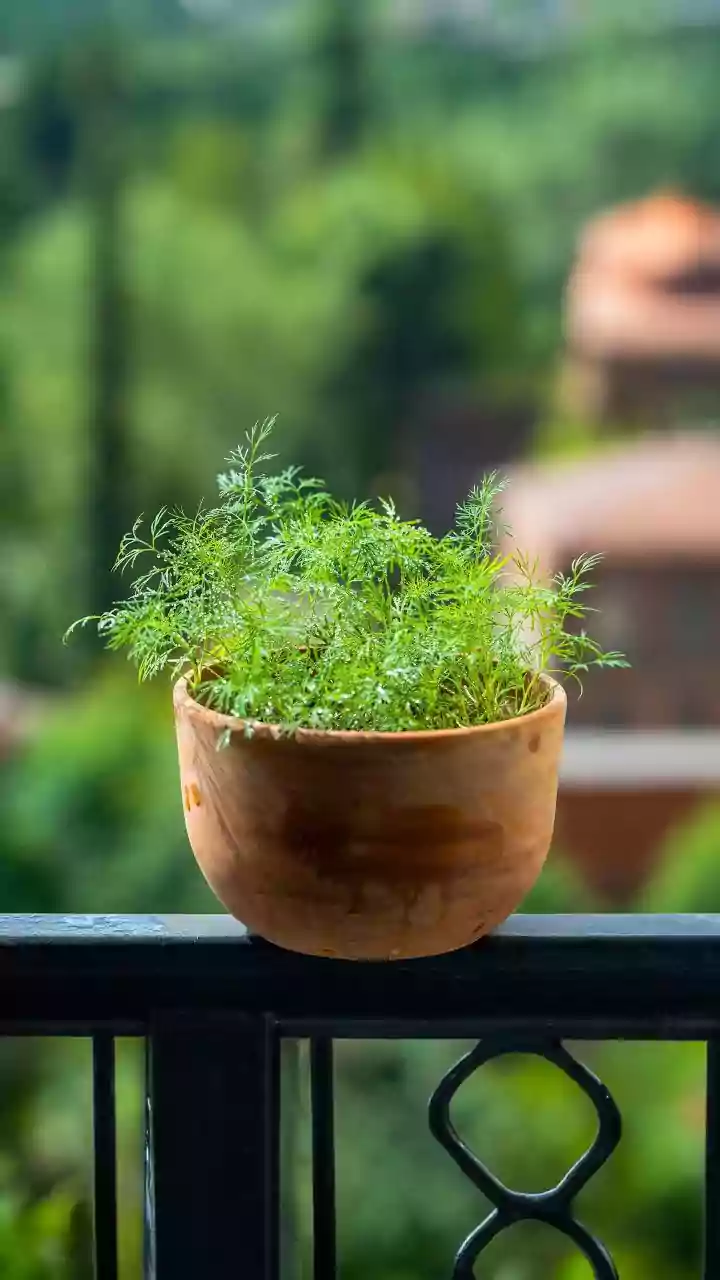
Prevention is always better than cure. The key to avoiding root rot during the rainy season is managing moisture. Start with the right soil. Use a light, well-draining potting mix. You can create your own by adding materials like sand, perlite, or cocopeat to standard garden soil to improve aeration and drainage. Ensure every pot has adequate drainage holes at the bottom so excess water can escape. Consider placing pots on bricks or stands to lift them off the ground and prevent water from pooling at the base. Adjust your watering schedule; during the monsoon, plants need far less water. Always check if the top inch or two of soil is dry before watering again. If possible, move potted plants to a sheltered spot like a covered balcony or patio to protect them from constant, heavy downpours.