




Why Drainage Is a Balcony Gardener's Biggest Hurdle
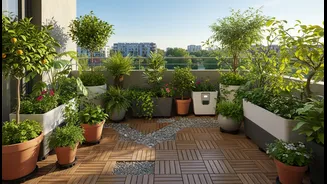
In a traditional garden, excess water has the entire earth to drain into. On a balcony, your plants are in a closed system. Without proper drainage, water collects at the bottom of the pot, saturating the soil and depriving roots of the oxygen they need
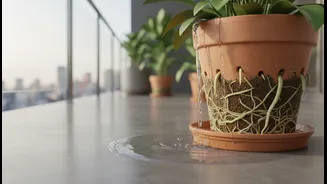
to survive. This waterlogged environment is the leading cause of root rot, a fungal issue that can quickly kill even the hardiest plants. Balconies present a unique challenge because pots sitting on flat, hard surfaces can have their drainage holes blocked, causing water to pool underneath and be reabsorbed, keeping the soil constantly soggy.
Spotting the Signs of a Drainage Problem
The symptoms of poor drainage are often mistaken for underwatering, leading many well-intentioned gardeners to make the problem worse. A classic sign is a plant that is wilting even though the soil is damp. Other tell-tale indicators include yellowing leaves (especially younger ones), stunted growth, leaf drop, and a musty or sour smell coming from the soil. In severe cases, you might see fungus or mould growing on the soil's surface. If you suspect an issue, gently check the roots; healthy roots are firm and white or light-coloured, while rotten roots are brown, mushy, and may smell foul.
The Myth of Adding Gravel to Pots
For generations, a common piece of advice was to add a layer of gravel or broken pot shards to the bottom of a container to improve drainage. However, modern horticulture science has shown this to be a myth that actually worsens the problem. Water does not move easily from a fine-textured material (like potting soil) to a coarse-textured one (like gravel). Instead of draining through, water stops at the gravel layer, creating a zone of saturated soil higher up in the pot—closer to your plant's delicate roots. This raised water table effectively reduces the amount of usable, healthy soil and increases the risk of root rot.
Solution 1: Choose the Right Container
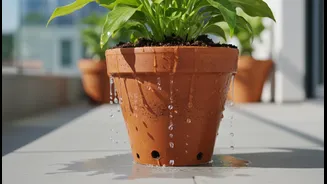
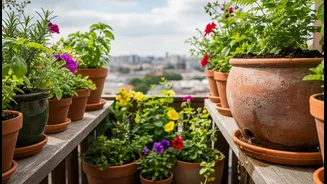
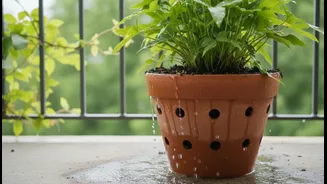
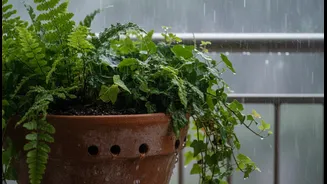
The simplest step towards better drainage is choosing a pot with adequate drainage holes—not just one, but several. If you fall in love with a decorative pot that has no holes, use it as a cachepot: keep your plant in a functional plastic nursery pot and place it inside the decorative one. Material also matters. Porous materials like terracotta allow water and air to pass through their walls, helping soil dry out more evenly, which is great for plants prone to rot like succulents. Non-porous materials like plastic or glazed ceramic retain moisture longer, which can be beneficial in hot, windy conditions but requires more careful watering.
Solution 2: Use a Smarter Potting Mix
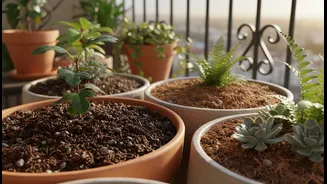
Never use heavy garden soil in your balcony pots. It compacts easily, choking roots and holding far too much water. A high-quality potting mix is essential. Look for or create mixes that are light and airy. Key ingredients that improve drainage include perlite (small white volcanic rocks), pumice, and coarse sand. These materials create air pockets in the soil, allowing water to flow through freely. You can easily create your own well-draining mix by amending a standard potting mix with extra perlite or orchid bark. A good rule of thumb is a mixture of one part perlite, one part vermiculite, and one part coco coir for a balanced, all-purpose blend.
Solution 3: Elevate Your Pots and Watering Habits
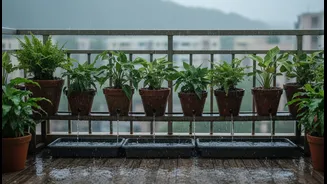
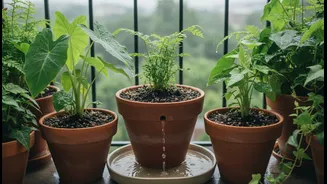
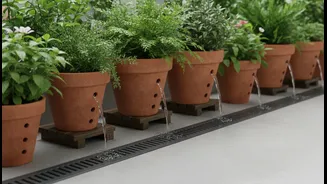
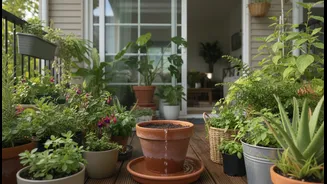
Even a pot with good holes can become blocked if it sits flat on the balcony floor. Using pot feet or simple blocks to elevate your containers allows air to circulate underneath and ensures water can escape freely. This small step can make a huge difference. Finally, adjust your watering habits. Always check the soil moisture before watering by sticking your finger an inch or two deep. If it's still moist, wait another day. Water thoroughly until it runs out the bottom, and be sure to empty any excess water from saucers or trays so the plant isn't left sitting in a puddle.