







Why Small Batches Are Your Best Friend
During the monsoon, humidity can soar, creating the perfect breeding ground for mould and bacteria. Foods that stay fresh for a week in winter can spoil in a couple of days. The strategy is simple: reduce the time food spends in your home. Buying in small,
frequent batches ensures that you consume items at their peak freshness, minimising waste and the risk of foodborne illnesses. This is particularly crucial for foods with high moisture content, which are most vulnerable to the damp air.
The Leafy Green Dilemma
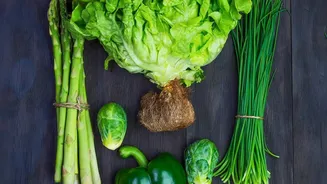
Spinach, coriander, and other leafy greens are notorious for spoiling quickly in the rain. The excess moisture makes them wilt faster and creates a haven for dirt and microbes trapped between the leaves. While you don't need to avoid them completely, you should not stock up. Buy only what you plan to use within a day or two. Before storing, it's a good idea to wash them thoroughly. Some experts suggest a soak in salt or vinegar water, followed by a rinse, can help remove contaminants. Pat them completely dry before refrigerating to prevent them from becoming a slimy mess.
Handle Fresh Dairy with Care
Milk, paneer, and curd are highly perishable, and their shelf life plummets during the monsoon. The combination of heat and humidity accelerates bacterial growth. Fresh paneer, for instance, should ideally be consumed within 24 hours. If you buy it from a local shop, store it submerged in water in a sealed container in the fridge, and change the water daily. It’s best to buy milk in daily packets rather than large cartons, and boiling it twice a day—once in the morning and once at night—can prevent premature curdling even when refrigerated. The rule for all dairy is simple: buy it fresh and use it fast.
Fruits That Can't Wait
Soft fruits like berries, cherries, and mangoes are a delight, but they are also quick to spoil. Their delicate skins and high sugar content make them susceptible to mould. Inspect fruits carefully before buying, avoiding any with bruises or soft spots, as these will decay rapidly in the humid weather. It is better to buy a small quantity that you can enjoy within a couple of days than to watch a large, expensive batch go to waste. Store them in the refrigerator in a breathable bag or container to allow for some air circulation.
Bread, Buns, and Baked Goods
Bread is another victim of monsoon humidity. The moisture in the air can make a fresh loaf turn mouldy in what feels like record time. Buying a full loaf of sliced bread might seem convenient, but you risk having to throw half of it away. Instead, opt for smaller loaves or buns that you can finish in a day or two. If you do buy a larger loaf, consider freezing half of it. Storing bread in an airtight container can also help, but the best defence is simply to buy less and more often.
The Pre-Cut Convenience Trap
Pre-cut vegetables and fruits are a time-saver, but they are a risky purchase during the monsoon. Once the surface of a vegetable is broken, it becomes much more exposed to bacteria. Combined with high humidity, this exposure significantly shortens its shelf life and increases the risk of contamination. It is far safer to buy whole vegetables and cut them yourself just before cooking. This ensures they retain their freshness and nutrients while keeping you safe from potential stomach bugs.