







The Monsoon Kitchen Philosophy
The arrival of the monsoon is more than just a change in weather; it’s a shift in our body's rhythm and digestive capabilities. According to traditional Indian wisdom, particularly Ayurveda, our digestive fire (agni) is weaker during the rainy season.
This makes it harder to process heavy, oily, or raw foods. Consequently, the focus shifts to produce that is light, easy to digest, and freshly harvested. This is where vegetables like bhindi (okra) and various types of beans shine. They are not only at their seasonal peak, ensuring maximum flavour and nutrition, but they also align perfectly with the body's needs during this time, helping to boost immunity and aid digestion without overburdening the system.
Bhindi: The Monsoon Superstar
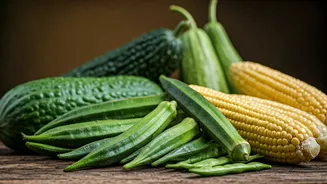
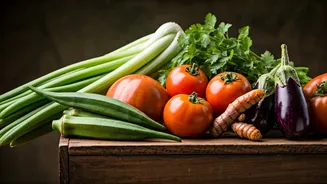
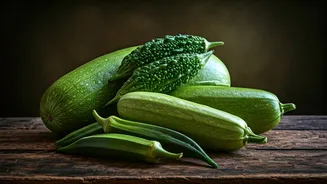
Bhindi, or okra, often gets a bad rap for its slimy texture, but monsoon is when this vegetable truly comes into its own. The fresh, tender pods available during this season are less mucilaginous and cook beautifully. From a health perspective, bhindi is a powerhouse. It's rich in fibre, which is excellent for digestive health, and packed with vitamins C and K, and folate. Its low-calorie, high-fibre nature makes it a perfect ingredient for the light-on-the-stomach meals recommended for this season. Whether it’s a simple stir-fry or a more elaborate stuffed dish, bhindi offers a satisfying crunch and a subtle, earthy flavour that pairs wonderfully with the cosy, rainy weather.
Beyond the Basic Bhindi Fry
While a simple bhindi fry with turmeric and salt is a comfort food for many, this versatile vegetable can do so much more. For a tangy twist, try making 'Bharwa Bhindi,' where pods are slit and stuffed with a spicy mixture of gram flour (besan), amchur (dried mango powder), and other masalas before being pan-fried. Another crowd-pleaser is 'Kurkuri Bhindi.' Here, thin slices of okra are coated in a light batter of besan and rice flour, deep-fried until golden and crispy, and then tossed with chaat masala. It’s an irresistible snack to enjoy with a hot cup of chai. For a gravy-based dish, Dahi Bhindi offers a cooling counterpoint, with fried okra simmered in a spiced yogurt curry that is both light and flavourful.
The Humble Power of Beans
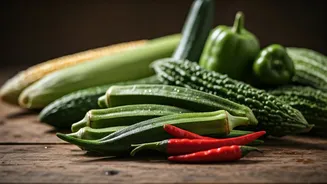
When we say beans, we mean the glorious variety of green pods that flood the markets during the monsoon. From the slender French beans to the flat Surti papdi and the textured cluster beans (gawar), each brings its unique taste and nutritional profile. Beans are celebrated for their high fibre content, which promotes gut health, and for being a good source of plant-based protein and essential micronutrients. Cluster beans, for instance, are known in traditional medicine to be beneficial for managing blood sugar levels. French beans are a fantastic source of vitamins A, C, and K. Their inherent lightness and quick cooking time make them an ideal choice for the monsoon diet, fitting seamlessly into simple sabzis, dals, and rice dishes.
Simple, Heartwarming Bean Dishes
The beauty of cooking with fresh beans lies in their simplicity. A classic 'Gawar ki Sabzi' is made by stir-frying chopped cluster beans with carom seeds (ajwain), which aids digestion, and a pinch of asafoetida (hing). This minimalist preparation allows the distinct flavour of the beans to stand out. French beans lend themselves beautifully to a South Indian-style 'poriyal,' where they are finely chopped, steamed, and then tempered with mustard seeds, urad dal, and curry leaves, and finished with a generous garnish of fresh grated coconut. For something more wholesome, a mixed vegetable curry with beans, carrots, and peas in a light tomato-onion gravy makes for a nourishing meal paired with hot rotis.