

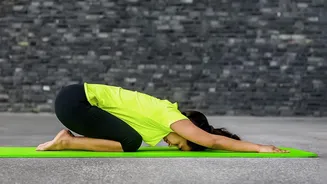

Why Movement is a Study Superpower
When a teenager is hunched over a desk for hours, their body gets stiff and their brain gets foggy. Simple stretching increases blood flow and oxygen to the brain, which can help clear the mind and improve focus. Studies show that physical movement helps
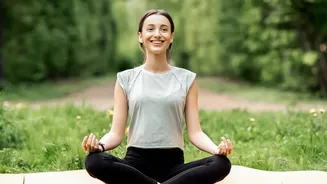
optimize brain function and can reduce the high levels of stress that often accompany exams. The goal isn't a full workout; it's about short, intentional pauses that reset the body and mind. Just a few minutes of yoga or stretching can release muscle tension, calm the nervous system, and make it easier to return to studies with renewed energy.
The Desk-Dweller’s Reset: Neck and Shoulder Rolls
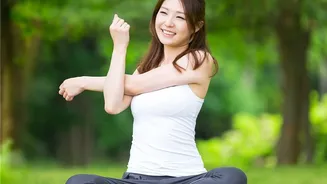
Hours of looking down at books or screens creates immense tension in the neck and shoulders, a major distraction. This is one of the easiest stretches to do without even leaving the chair. Start by sitting tall. Gently drop the chin to the chest and slowly roll the right ear toward the right shoulder. Hold for a few deep breaths, then repeat on the left side. Follow this with five slow shoulder shrugs, lifting the shoulders up to the ears, holding for a second, and then releasing them down. This simple sequence helps release the tension that builds up from studying, preventing it from turning into a headache.
The Slouch Buster: Seated Cat-Cow
Poor posture from prolonged sitting can cause back pain and fatigue. The Seated Cat-Cow stretch awakens the spine and encourages mindful breathing. While sitting on the edge of a chair with feet flat on the floor, place hands on the knees. On an inhale, arch the back, lift the chest, and look forward (Cow). On an exhale, round the spine, tuck the chin to the chest, and gently pull the navel inward (Cat). Repeat this fluid movement 5 to 10 times. It’s a fantastic way to counteract the effects of slouching and bring a sense of openness back to the body.
The Mind Calmer: Seated Forward Bend
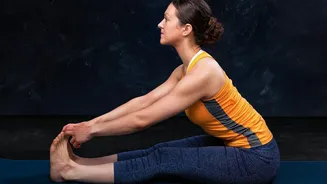
When exam anxiety kicks in, a forward bend can have an incredibly calming effect on the brain. While seated, with feet flat on the floor, simply hinge at the hips and let the torso fold over the thighs. Let the head hang heavy and allow the arms to dangle toward the floor. If comfortable, interlace the fingers behind the back and stretch them up and over. Stay here for 5 to 8 deep breaths. This pose gently stretches the back, quiets the mind, and helps relieve the symptoms of stress and mild anxiety that can derail a study session.
The Focus Finder: Tree Pose (Vrksasana)
Balancing poses are excellent for improving concentration because they require complete focus. The Tree Pose is a perfect example. Stand next to a desk or wall for support. Shift your weight onto one foot. Place the sole of the other foot on the inner ankle, calf, or thigh of the standing leg (avoiding the knee joint). Bring hands together in front of the chest. Find a fixed point to gaze at to help maintain balance. Holding this pose builds strength and, more importantly, trains the brain to stay centered and present, a skill that is directly transferable to focusing on an exam question.
The Ultimate De-Stressor: Legs-Up-the-Wall (Viparita Karani)
After a long day of studying, this restorative pose is a gift to a tired body and an overactive mind. It’s simple: lie on the floor and swing your legs up to rest against a wall. The body should form an 'L' shape. Arms can rest by the sides, palms up. Closing the eyes and focusing on slow, deep breaths here for 5 to 10 minutes can calm the nervous system, reduce fatigue, and ease tension in the legs and lower back. It’s an incredibly effective way to wind down before sleep, ensuring the brain gets the rest it needs to consolidate learning.