







The New Layer: Online Travel Authorisations
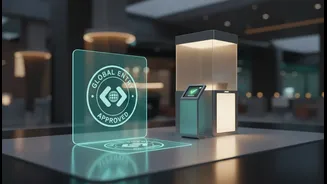
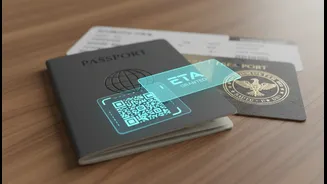
Think of an Online Travel Authorisation, or Electronic Travel Authorisation (ETA), as a digital green light for your trip. It is not a visa. Instead, it’s a pre-travel clearance system for travellers from countries that are visa-exempt for a particular
destination. Countries like the UK, Canada, and the USA (with its ESTA program) use these systems to screen visitors before they even board their flight. The application is done online, is usually quick, and costs significantly less than a visa. The goal is to enhance security by collecting passenger information in advance. Once approved, the ETA is electronically linked to your passport. For example, the upcoming European Travel Information and Authorisation System (ETIAS), expected to launch in 2026, will be a mandatory requirement for visitors from currently visa-free countries.
The Formal Permission: The Classic Visa
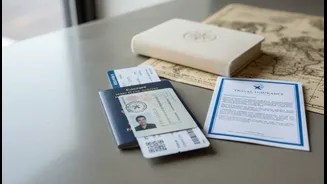
A visa is a more formal and in-depth permission slip to enter a country for a specific purpose—be it tourism, business, work, or study. Unlike an ETA, which is for visa-exempt nationals, a visa is required for citizens of countries who do not have a visa-waiver agreement. The application process is generally more involved, often requiring you to submit detailed supporting documents, financial proof, and sometimes attend an in-person interview or biometric appointment. Visas can be stickers placed in your passport or, increasingly, issued as e-Visas that you receive electronically. However, an e-Visa is still a visa, just delivered digitally; it is not the same as an ETA. The key takeaway is that if your nationality requires a visa for a country, an ETA is not an alternative.
Authorisation vs. Visa: The Key Differences
It’s crucial not to confuse the two, as showing up with an ETA when you need a visa will result in being denied boarding. Here’s a simple breakdown: Who Needs It? ETAs are for travellers who are already exempt from needing a visa for short stays. Visas are for travellers whose nationality requires formal permission to enter. Application Process: ETA applications are simple, online, and take minutes to complete with quick approvals. Visa applications are more complex, require more documentation, and can take days or weeks to process. Purpose: ETAs are typically for short-term tourism or business visits (usually up to six months). Visas cover a wider range of activities and durations, including long-term study and work. Cost: ETAs are generally inexpensive, while visa fees are significantly higher.
The Final Step: Boarding Documents
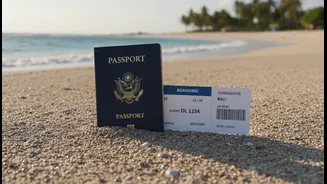
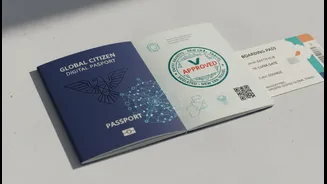
Your boarding pass is the final piece of the puzzle, but it’s completely different from an ETA or a visa. A boarding document is issued by your airline and grants you permission to get on the aircraft. However, the airline will not issue a boarding pass unless they have verified that you have the correct travel authorisation for your destination. Airlines use a system called TIMATIC to check the passport and visa rules for every passenger. Increasingly, they also connect to government immigration databases in real-time to confirm your ETA or e-Visa is valid and linked to the passport you’re using. If the system returns a “Not OK to Board” message, you will not be able to check in or get your boarding pass.
What This Means for Indian Travellers
For Indian passport holders, these distinctions are very important. For example, to travel to the UK, Indian citizens must apply for a standard UK visa (which is now issued as an eVisa), not the UK's ETA. The ETA scheme is for nationals of countries who can enter the UK visa-free, a category that does not include India. Similarly, when the European Union’s ETIAS system becomes mandatory in 2026, it will apply to travellers from visa-exempt nations like the US and Canada. Indian passport holders will still need to apply for a Schengen visa as they do now. Understanding this ensures you apply for the correct document and avoid wasting time and money on the wrong application.