


From Sightseeing to Soul-Searching
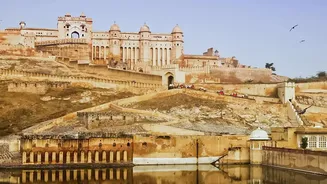
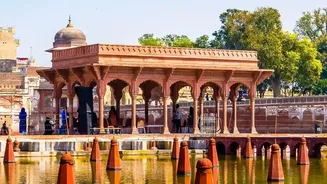
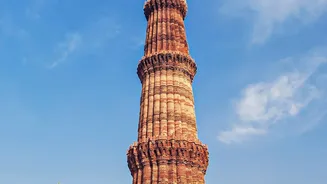
For decades, tourism in India followed a well-trodden path: the Taj Mahal, the palaces of Rajasthan, the beaches of Goa. But today, an increasing number of travellers are looking beyond the postcard-perfect landmarks. They are driven by a desire for something
more genuine and immersive. This shift marks the rise of experiential travel, where the goal is no longer just to see a place, but to connect with its culture, people, and way of life. Instead of just observing, travellers want to participate, learn, and feel. This has paved the way for a travel style that prioritises personal growth and authentic connection over passive sightseeing. The experiential travel market in India is growing rapidly, with projections suggesting it could become a dominant segment of the tourism industry by 2030, driven largely by travellers under 35.
A Hunger for Authentic Flavours
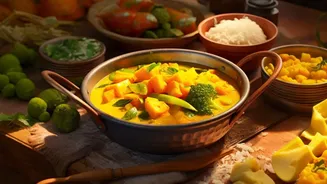
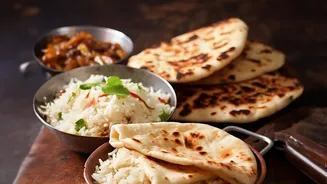
At the forefront of this trend is a powerful and delicious motivator: food. Culinary tourism in India is booming, with travellers planning entire trips around food experiences. This goes far beyond just dining out. People are seeking out cooking workshops, exploring local spice markets, and following curated food trails to taste regional specialities in their place of origin. States like Kerala, Rajasthan, and Punjab are becoming hotspots for food lovers. This growing appetite for authentic cuisine is fuelled by a desire to understand India's immense diversity through its flavours. According to one academic study, the share of tourists whose travel is influenced by culinary experiences has seen a steady increase, reflecting a clear shift toward experience-driven journeys. Market reports predict the culinary tourism market in India will expand significantly, with one estimate suggesting it could grow from around USD 15.9 billion in 2026 to USD 67.7 billion by 2036.
Festivals as Cultural Magnets
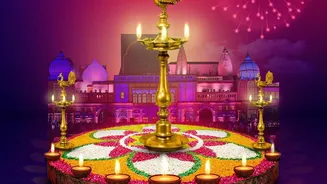
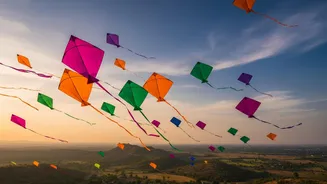
Alongside food, local festivals are emerging as major travel drivers. While large-scale events like Durga Puja in Kolkata and Ganesh Chaturthi in Mumbai have always drawn crowds, travellers are now venturing to more niche, regional celebrations. Festivals like the Hornbill Festival in Nagaland, Rann Utsav in Gujarat, and the Theyyam performances in Kerala offer a vibrant, immersive window into local traditions. These events are no longer just a community affair but are being recognised as unique cultural assets that can anchor a travel experience. According to a recent report, 72% of Indian travellers would consider planning a trip specifically to attend a major cultural or religious festival, treating them as limited-time experiences worth designing a holiday around. This turns the country's rich cultural calendar into a dynamic, year-round map of travel opportunities.
The Rise of the Digital Foodie
This movement towards authentic experiences is being significantly amplified by social media. Platforms like Instagram have played a pivotal role in showcasing unique regional cuisines and colourful local festivals, inspiring countless travellers to embark on food-centric journeys. Food bloggers and travel influencers create a powerful visual narrative, turning a hyperlocal dish or a remote festival into a must-have experience. Social media, along with online video platforms, are now among the biggest drivers influencing culture-led travel decisions. This digital word-of-mouth has helped lesser-known destinations and culinary traditions gain national attention, encouraging travellers to explore beyond the usual hotspots and share their own discoveries.
Why This Trend Matters
This shift from traditional tourism to experiential travel is more than just a passing fad; it reflects a deeper change in what it means to explore India. It's a move towards more sustainable and meaningful travel that supports local economies and preserves cultural heritage. By engaging with local artisans, chefs, and communities, travellers are fostering a more respectful and mutually beneficial form of tourism. This trend is being driven primarily by Millennial and Gen Z travellers, who are defined by their desire for meaningful connection and experiences that reflect their personal identity. For them, travel is not just an escape but a form of self-discovery.