




The Shifting Center of Gravity
The long-held belief that premium beauty is an exclusively urban phenomenon is rapidly becoming outdated. While Mumbai, Delhi, and Bengaluru were once the undisputed epicentres of beauty trends, a seismic shift is underway. Today, the strongest demand
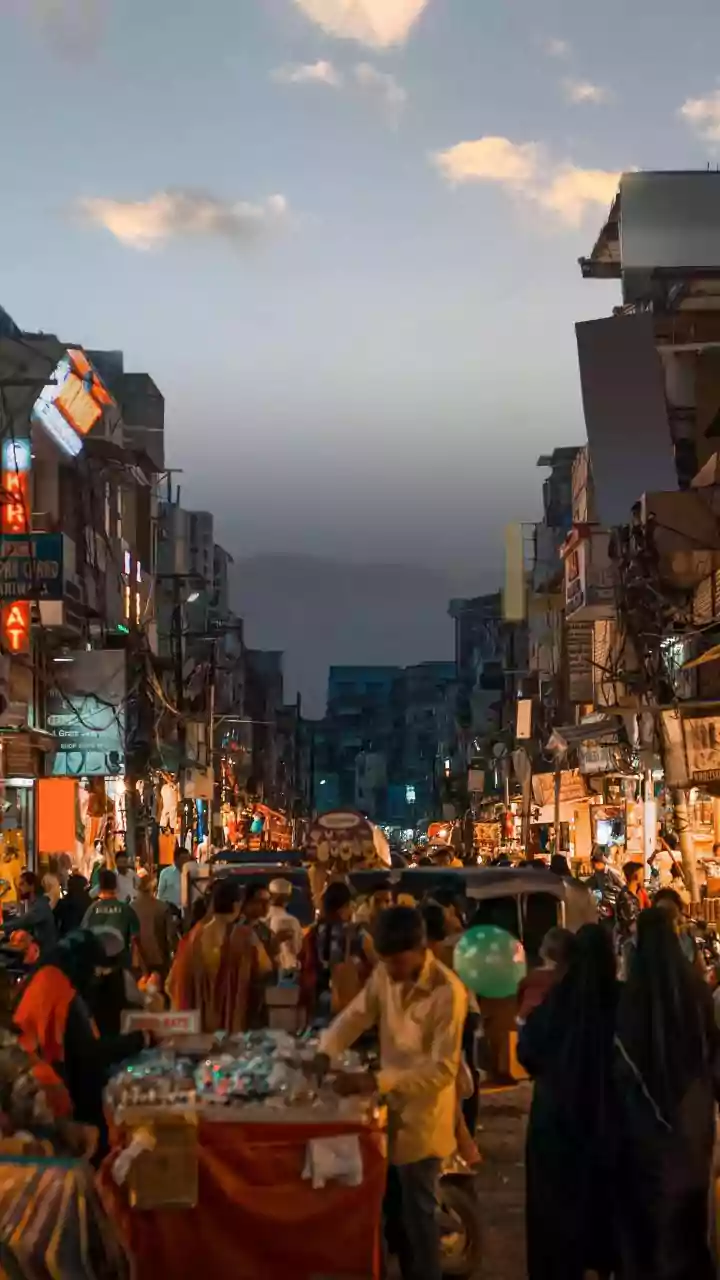
for beauty and personal care is emerging from cities like Lucknow, Jaipur, Indore, and even smaller towns such as Gorakhpur and Kottayam. E-commerce platforms report that a majority of their beauty-related searches and a significant chunk of sales now originate from non-metro markets. According to industry reports, more than half of the demand for premium beauty products on major platforms like Amazon now comes from Tier 2 and Tier 3 cities. This isn't just about consumers in smaller towns catching up; it's about a fundamental decentralisation of the market, where aspiration and access are no longer defined by pin code. This expansion represents the largest volume growth opportunity for the Indian cosmetics market, with an estimated 280 million new consumers in non-metro India becoming accessible.
The Digital Revolution Hits the Heartland
The single greatest catalyst for this transformation is the digital boom. The combination of affordable data and widespread smartphone penetration has effectively erased the geographical barriers that once separated brands from consumers. E-commerce platforms like Nykaa, Flipkart, Amazon, and Purplle have become virtual beauty counters, making international brands and direct-to-consumer (D2C) labels accessible to someone in a small town with the same ease as someone in a major city. This digital access goes beyond just purchasing. Social media platforms like Instagram and YouTube have become the new beauty encyclopedias, democratizing information about ingredients, application techniques, and global trends like K-beauty. A shopper in Chandigarh or Guwahati can now watch the same tutorials and read the same ingredient breakdowns as a shopper in Mumbai, making them equally savvy and selective.
From Aspiration to Informed Choice
The non-metro consumer is no longer just an imitator of urban trends; they are an active, informed participant in the beauty conversation. This new generation of shoppers is moving beyond basic products and showing keen interest in sophisticated, solution-oriented skincare with science-backed formulations. They are searching for products that address specific concerns like pigmentation, acne, and sun protection. There is a growing appetite for 'premiumization on a budget', where consumers seek out products with high-quality ingredients and effective formulations at accessible price points. This shift is largely fueled by social media influencers and content creators, who have built trust with their followers by offering authentic and relatable advice. Their recommendations often carry more weight than traditional advertising, guiding purchase decisions and introducing new routines to an eager audience.
How Brands Are Responding
Beauty brands, both legacy and D2C, are taking notice and adapting their strategies. The one-size-fits-all metro-focused approach is being replaced by a more nuanced, omnichannel game plan. Many brands that began online are now establishing a physical presence in Tier 2 and 3 cities to offer an experiential shopping touchpoint. Companies like Sephora, MAC Cosmetics, and Nykaa Luxe are opening stores in cities such as Chandigarh, Indore, and Lucknow. Beyond retail footprint, marketing strategies are also being localized. This includes collaborating with regional influencers who speak the local language and understand regional nuances, creating a more authentic connection with the audience. Furthermore, some are developing products that cater to hyperlocal needs, considering factors like regional climate and water quality, a trend dubbed 'PIN code Beauty'. Success in these markets is increasingly defined by a brand's ability to build trust through reliable last-mile delivery and consistent product availability.