







The Modern Grind and the Toll It Takes
Long hours, tight deadlines, and the constant pressure to perform have become the new normal for many young professionals in India. This high-stress environment often leads to what is known as 'burnout'—a state of physical, emotional, and mental exhaustion.
Symptoms can range from fatigue and poor sleep to anxiety and a feeling of detachment from your work. In response, a growing number of people are exploring natural, holistic ways to manage stress, looking to traditional systems like Ayurveda for sustainable solutions. Rather than a quick fix, these remedies aim to restore the body's natural balance.
Ashwagandha: The Stress Shield
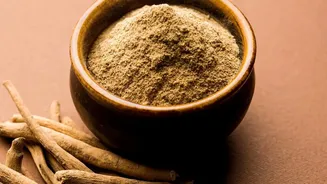
Ashwagandha, known botanically as Withania somnifera, is one of the most revered herbs in Ayurveda and is classified as an 'adaptogen'. Think of an adaptogen as a thermostat for your body's stress response; it helps you adapt to and resist physical and mental stressors. Its primary strength lies in its ability to regulate cortisol, the body's main stress hormone. Several studies have shown that regular supplementation with ashwagandha can lead to significant reductions in cortisol levels, which in turn helps alleviate feelings of chronic stress and anxiety. For the young professional dealing with physical exhaustion, poor sleep, and a constant feeling of being 'on edge', Ashwagandha can help restore a sense of calm and resilience.
Brahmi: The Brain-Boosting Calmer
Brahmi, or Bacopa monnieri, is another cornerstone of Ayurvedic medicine, but its focus is more on the mind. Traditionally known as a 'medhya rasayana' (a brain tonic), Brahmi is celebrated for its ability to enhance cognitive functions. Its active compounds, called bacosides, are believed to repair damaged neurons and improve communication between brain cells, which can sharpen memory, improve focus, and increase learning capacity. While it also possesses calming properties that can help reduce anxiety, its primary benefit is in combating mental fatigue and brain fog. For the professional whose stress manifests as an inability to concentrate, forgetfulness, and mental clutter, Brahmi offers a way to regain clarity and focus.
Head-to-Head: Which Herb for Your Stress?
The choice between Ashwagandha and Brahmi isn't about which herb is 'better,' but which one aligns with your specific needs. If your work stress primarily manifests as physical and emotional exhaustion, anxiety, fatigue, and difficulty sleeping, Ashwagandha is likely the more suitable choice. It directly targets the body's physiological stress response, helping you feel more robust and rested. On the other hand, if your stress leads to mental blocks, poor memory, and an inability to focus on complex tasks, Brahmi would be the more targeted solution. It works to sharpen your cognitive faculties, allowing you to cut through the mental noise and perform with greater clarity. Some Ayurvedic traditions even suggest taking them together for a balanced effect, but it's best to start with one to understand its individual impact.
How to Incorporate Them Into Your Day
Both herbs are widely available in various forms, including powders, tablets, or liquid extracts. Powders can be mixed into warm milk, water, or smoothies. A common recommendation for Ashwagandha is to take it in the evening to promote restful sleep, while Brahmi is often suggested for the morning or daytime to support focus and mental agility throughout the workday. Typical daily dosages in studies range from 300-600 mg for standardised extracts of either herb. Consistency is key; the benefits of these herbs are often cumulative and may take several weeks to become apparent.