







What Is Sleep Tourism?
Sleep tourism is a form of wellness travel where the primary goal isn't sightseeing, but sleeping. Instead of jamming days with activities, the entire trip is designed to help you rest, recharge, and improve your sleep quality. Think of it as a vacation
where rest isn't just something you do between events—it is the event. The trend has emerged from a broader interest in wellness, recognizing that quality rest is a cornerstone of both mental and physical health. This goes far beyond a hotel simply offering a comfortable bed. It involves creating a complete ecosystem for slumber, often including specialized amenities like pillow menus, soundproofed rooms, blackout curtains, and even high-tech sleep tracking tools.
Why Is Everyone So Tired?
The rise of sleep tourism isn't surprising. Many people find it difficult to rest even on a typical vacation due to what's known as the "first-night effect." This is a phenomenon where the brain remains in a state of subconscious vigilance in a new environment, resulting in lighter, more easily disturbed sleep. It's an evolutionary defense mechanism that keeps one hemisphere of the brain partially alert for potential dangers. Add to that the disruptions of travel itself—jet lag, changes in routine, and different food—and it’s a recipe for exhaustion. Sleep tourism directly counters this by intentionally creating a serene, predictable, and safe-feeling environment designed to quiet the mind and body. It's an antidote to the paradox of feeling worn out after a trip that was supposed to be relaxing.
The Hill Station Advantage
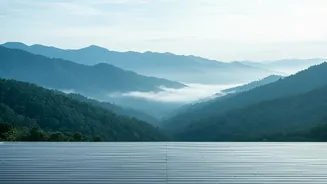
The headline's mention of "hill stations" points to a specific type of sleep-focused retreat: those located in quiet, natural, and often elevated environments. While high altitude can initially disrupt sleep as the body acclimates to lower oxygen levels, the long-term setting provides unique benefits. These locations force a disconnect from the noise and light pollution of urban life, which are major culprits in disrupting our natural circadian rhythms. The crisp mountain air, cooler temperatures, and profound silence create an ideal setting for deep rest. Many of these retreats are built around this natural tranquility, offering programs that include guided meditation, nature walks, and spa treatments. Some even have on-site sleep specialists or medical directors to guide guests through personalized programs.
What to Expect on a Sleep Retreat
A dedicated sleep retreat is more than just a quiet hotel room. These programs are structured to holistically address poor sleep. A stay might begin with a consultation with a sleep coach to identify personal challenges. From there, days are often filled with low-impact activities like yoga, breathing workshops, and thermal baths designed to relax the nervous system. Technology is either eliminated or used strategically; guests might be encouraged to ditch their phones, while the room itself could feature smart beds that adjust to their sleeping patterns. The goal isn't just to help you sleep better for a few nights, but to teach you sustainable habits you can take home. Experts are often brought in to lead workshops on everything from managing stress to understanding the science of slumber.