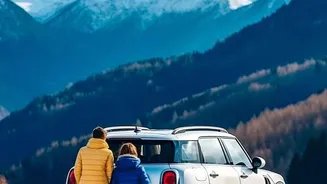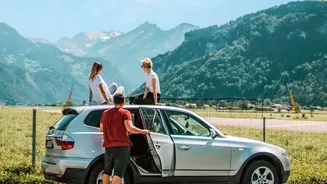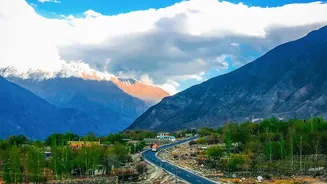





The dream of a peaceful mountain getaway increasingly involves hours in bumper-to-bumper traffic. This familiar frustration is causing a shift, as savvy travellers are now bypassing crowded towns for the untouched beauty of nature trails.
The Great Mountain Gridlock
The classic Indian
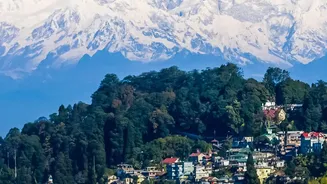
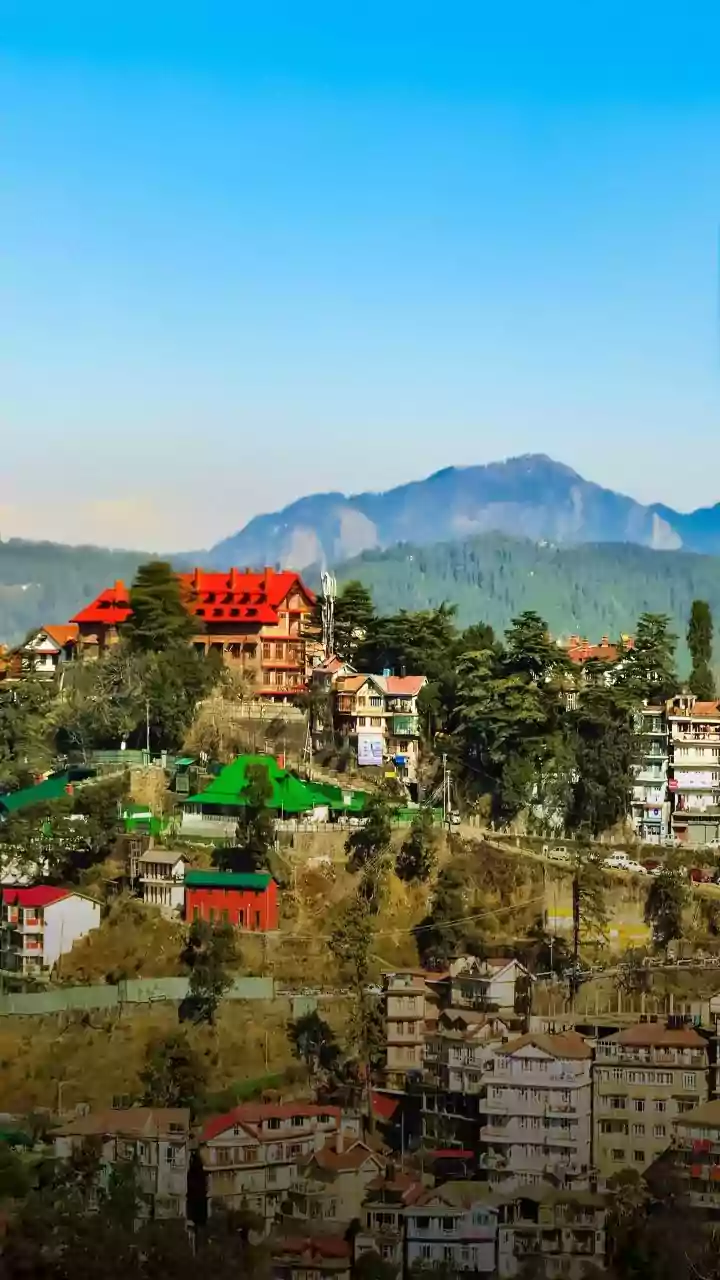
summer or long-weekend escape to the hills has a familiar script. You pack your bags, dreaming of crisp air and scenic views, only to spend a significant part of your holiday staring at the car in front of you. Popular destinations like Shimla, Manali, Mussoorie, and Kodaikanal are buckling under the pressure of 'overtourism'. Recent holiday seasons have seen these towns virtually paralysed by traffic, with vehicles queued for kilometres. Viral videos of tourists stuck for hours on the way to their hotels have become a grim ritual. This surge, driven by heatwaves and a collective desire to escape city life, has pushed the infrastructure of these colonial-era towns to its breaking point. The result is not just traffic; it is strained water resources, overflowing waste, and a growing sense of disillusionment among visitors who came seeking peace but found chaos instead.
A Shift in the Traveller's Mindset
The decision to ditch the crowded Mall Roads is more than just a reaction to traffic. It represents a deeper evolution in what Indian travellers seek from a vacation. The post-pandemic era has amplified a desire for authenticity, wellness, and genuine connection over packaged glamour. A growing number of vacationers, particularly younger demographics, are driven by a search for unique experiences that go beyond a checklist of famous attractions. They are choosing to connect with local cultures, prioritise sustainability, and find personal challenges in the great outdoors. Social media also plays a dual role; while it can contribute to overcrowding by popularising certain spots, it has also become a powerful tool for discovering hidden gems and visually stunning, lesser-known locales that promise a more personal adventure.
The Allure of the Unbeaten Path
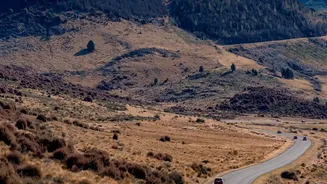
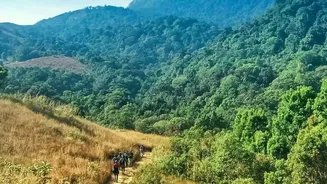
So, what do these 'nature trails' offer that a conventional hill station doesn't? The answer lies in the experience. Instead of navigating crowded markets, travellers are trekking through alpine meadows in Uttarakhand, exploring the lush valleys of Himachal, or discovering the rich biodiversity of the Western Ghats. The focus shifts from passive sightseeing to active engagement—bird-watching, fishing for trout in clear streams, or simply soaking in the silence of a pine forest. This trend is supported by the rise of experiential travel, where the journey itself is the destination. Accommodation often involves charming homestays or eco-lodges, offering a chance to interact with local communities and enjoy regional cuisine, creating a more immersive and memorable trip. This type of travel offers a sense of discovery and tranquillity that is increasingly rare in mainstream tourism.
Discovering India's Hidden Trails
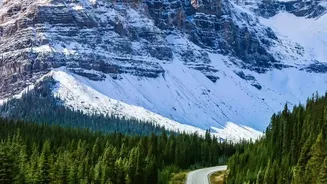
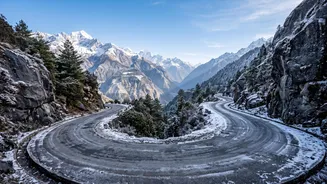
The options for nature_focused getaways are vast and growing. In Himachal Pradesh, travellers are looking beyond Shimla and Manali towards places like Tirthan Valley, which offers serene treks and solitude within the Great Himalayan National Park. In Uttarakhand, destinations like Chopta, known as the 'Mini Switzerland of India', and Munsiyari serve as base camps for stunning treks to places like Tungnath temple and the Milam Glacier, respectively, without the commercialisation of their more famous counterparts. The northeast offers pristine landscapes in places like Ziro Valley in Arunachal Pradesh and Mawlynnong in Meghalaya. These locations provide not just an escape from crowds, but a gateway to exploring India's incredible natural and cultural diversity. Trekking has become one of the fastest_growing segments in adventure tourism, with the number of trekkers in India seeing a significant increase over the last five years.
Embracing a New Way to Travel
This pivot towards nature trails and offbeat locations is more than a fleeting trend; it reflects a move towards more conscious and sustainable travel. As more travellers seek these quieter corners, the principles of responsible tourism become paramount. This means actively working to leave a place better than you found it, respecting local customs, minimising waste, and supporting local economies directly. Choosing certified guides, staying in community_run homestays, and being mindful of the fragile mountain ecosystems are all part of this new travel ethic. By opting for the road less travelled, vacationers are not only finding a cure for the common traffic jam but are also fostering a more thoughtful and rewarding way of exploring the world.