





The urge for a midday or late-night snack is universal, but the choice can be confusing. When hunger strikes, what's better: a traditional favourite like popcorn or a healthy challenger like puffed ragi? The answer isn't just about what you eat, but how
much.
The Golden Rule of Snacking
Before comparing any two snacks, the most crucial factor to understand is portion control. Even the healthiest food can contribute to weight gain if eaten in large quantities. The goal of a snack is to curb hunger between meals, not to become a meal itself. A smart approach is to pre-portion your snacks instead of eating directly from the bag. Using smaller bowls or plates can also trick your brain into feeling satisfied with less. Most experts suggest that a snack should ideally fall between 100-200 calories. This provides enough energy to keep you going without spoiling your appetite for your next proper meal. Remember, mindful eating is key; pay attention to your food and stop when you feel about 80% full.
Getting to Know Puffed Ragi
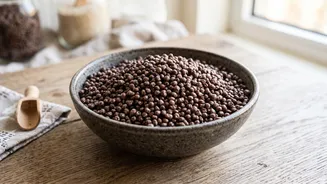
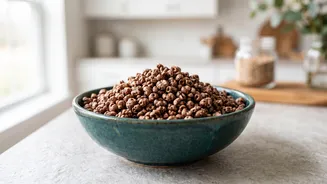
Ragi, or finger millet, is a traditional Indian superfood that's making a big comeback. It is naturally packed with nutrients, including high levels of calcium, iron, and protein. This makes it an excellent choice for bone health and for preventing anaemia. Ragi is also gluten-free and boasts a high fibre content. This fibre aids digestion and helps you feel full for longer, which can be a great benefit for weight management. When ragi is puffed, it becomes a light, crunchy snack. Most commercially available puffed ragi snacks are roasted, not fried, which keeps their fat content low compared to snacks like potato chips. However, it's vital to read the label, as added salt, sugar, and flavourings can impact its overall healthiness.
The Enduring Appeal of Popcorn
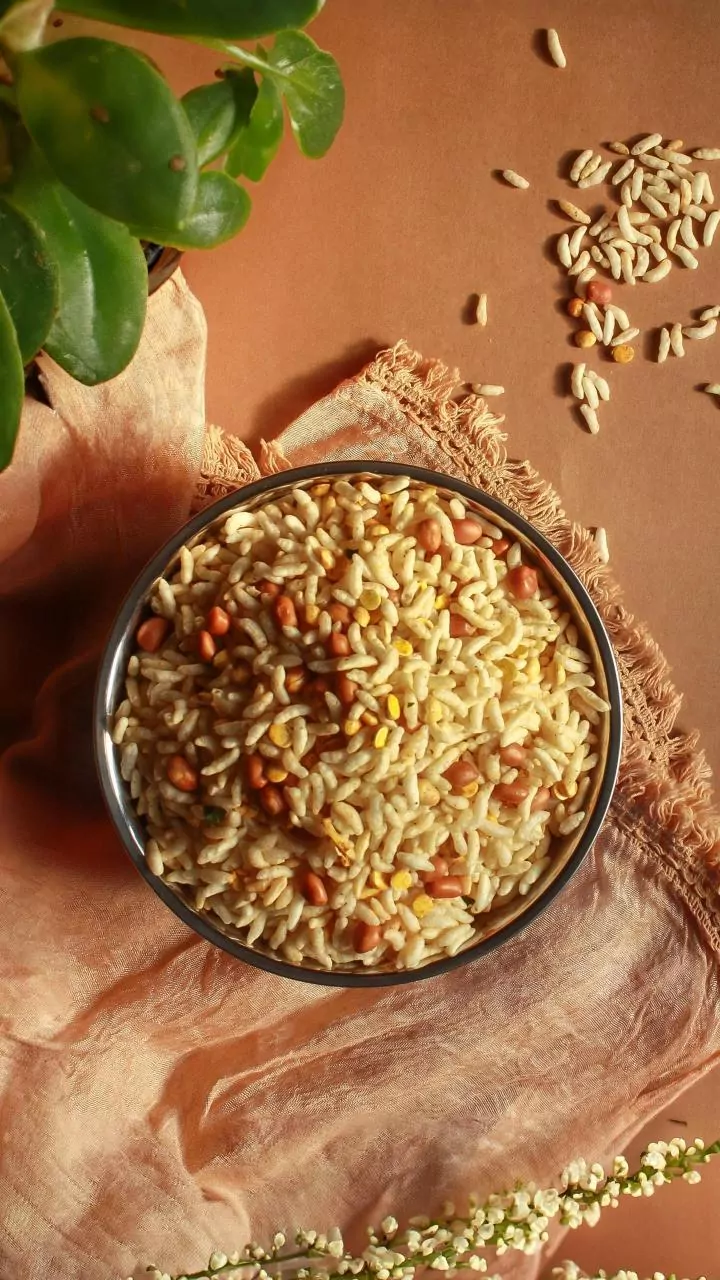
Popcorn isn't just a movie-time treat; it can be a genuinely healthy snack if prepared correctly. At its core, popcorn is a 100% whole grain, which means it is naturally high in fibre and antioxidants called polyphenols. This high fibre content makes popcorn very filling, which can help with weight management by preventing overeating. The crucial difference lies in its preparation. Air-popped popcorn, made at home without oil, is extremely low in calories, with about 30 calories per cup. This is the healthiest way to enjoy it. On the other hand, microwave versions, and especially movie theatre popcorn, are often loaded with unhealthy fats, excessive salt, and artificial flavourings that can add hundreds of calories and negate its health benefits.
A Nutritional Head-to-Head
So, how do they stack up? Plain, unseasoned puffed ragi (also known as ragi murmura) is very low in fat and has zero sodium. A serving of around three quarters of a cup contains about 60 calories, 1 gram of protein, and 1 gram of fibre. In contrast, a cup of plain, air popped popcorn has about 31 calories, 1 gram of protein, and 1.2 grams of fibre. While their base stats are similar, ragi has a distinct advantage with its significantly higher calcium content, a mineral crucial for bone health. Popcorn, as a whole grain, often provides slightly more fibre per serving. The comparison changes dramatically once flavourings are added. Packaged ragi puffs can have high sodium and oil content depending on the brand, sometimes reaching over 130 calories per 30g serving. Similarly, oil popped or buttered popcorn sees its calorie count jump significantly.
The Verdict: Which Should You Choose?
There is no single winner for every situation. The 'healthier' choice depends entirely on your personal health goals and how the snack is prepared. If your main goal is to increase your calcium intake from a plant‐based source, plain puffed ragi is an outstanding choice. Its high nutrient density makes it a true superfood snack. If you are looking for a high‐volume, low‐calorie snack that will make you feel full, plain air‐popped popcorn is one of the best options available. A three‐cup serving of air‐popped popcorn feels substantial for only about 100 calories. Both snacks, in their plainest forms, are superior to fried chips and other highly processed options. The best strategy is to embrace variety. You can enjoy both puffed ragi and popcorn as part of a balanced diet, as long as you prioritise the plain, home‐prepared versions and keep your portions in check.