


The Underrated Powerhouse
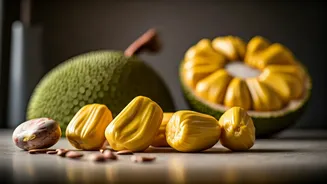
Hidden inside the sweet flesh of the jackfruit are dozens of seeds, each packed with surprising nutritional value. While the fruit itself is beloved, its seeds are typically tossed aside. These seeds are rich in protein, dietary fibre, and resistant starch,
which is beneficial for gut health. They also contain essential micronutrients like iron, magnesium, potassium, and B vitamins such as thiamine and riboflavin, which help the body convert food into energy. In many parts of India, these seeds have been a traditional part of home cooking for generations, valued for their ability to add substance and nutrition to meals.
Taste and Texture Notes
When cooked, jackfruit seeds have a mild, nutty flavour, often compared to chestnuts or a firm potato. Their texture is starchy and satisfyingly dense. This neutral taste profile makes them incredibly versatile, as they readily absorb the flavours of spices and other ingredients they are cooked with. Whether boiled, roasted, or added to a complex curry, they provide a hearty element that can complement a wide range of dishes, adding both bulk and a pleasant, toothsome quality.
Crucial Preparation: Always Cook Them
It is essential to never eat jackfruit seeds raw. They contain compounds called antinutrients, such as tannins and trypsin inhibitors, which can interfere with nutrient absorption and digestion. However, these compounds are easily neutralised by heat. The two most common methods for preparing the seeds are boiling and roasting. To boil, simply place the seeds in a pot of water and cook for 20-30 minutes until they are tender enough to be pierced with a fork. To roast, spread them on a baking sheet and bake at 200°C (400°F) for about 20 minutes. Once cooked and cooled, the tough, white outer skin can be peeled off, revealing the edible seed within.
Simple Ways to Use Jackfruit Seeds
Once cooked, jackfruit seeds can be used in numerous simple yet effective ways. The easiest way to enjoy them is as a snack. Just boil or roast them, peel, and sprinkle with a little salt and pepper for a healthy alternative to other starches. They are also a fantastic addition to curries and stir-fries. In South India, a popular dish is a simple kurma or stir-fry where boiled and peeled seeds are sautéed with onions, garlic, and spices like turmeric and chilli powder. Their firm texture holds up well in gravies, absorbing all the aromatic flavours. You can also mash or blend boiled seeds to create a creamy, nutritious base for dips like hummus or add them to soups and stews to act as a natural thickener. For those more adventurous, the dried seeds can be ground into a flour and used in baking.
A Sustainable Kitchen Practice
Beyond their nutritional and culinary value, using jackfruit seeds is a great step towards reducing food waste in the kitchen. A single jackfruit can contain hundreds of seeds, which together make up a significant portion of the fruit's total weight. By saving and cooking these seeds, you are not only getting more value from your purchase but also embracing a more sustainable, nose-to-tail (or in this case, fruit-to-seed) approach to cooking. It’s a simple, budget-friendly habit that turns what was once waste into a wholesome, delicious, and useful ingredient.