



Retention is Not a Lock
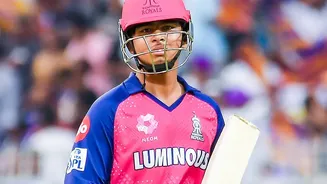
In the Indian Premier League, player retention is a crucial first move, but it's not the final one. When a franchise retains a player, as RR has with Jaiswal, it means they are protecting him from entering the open auction. His salary is secured against
their total purse, ensuring he cannot be bid on by rivals. However, this is where the trade window comes into play. Retention simply gives a team control over a player's contract; it doesn't chain him to the roster. Until the trade window closes on December 9, that contract can be transferred to another team. Think of it as securing an asset. Now, Rajasthan Royals hold the power to either build their team around Jaiswal or entertain blockbuster offers from other franchises.
The All-Important Trade Window
The IPL trade window is a period where franchises can negotiate deals directly with each other, bypassing the frenzy of the auction. These deals can be straight cash transfers, where one team 'sells' a player to another, or a player-for-player swap. All trades are subject to approval from the player himself and the IPL Governing Council. This off-season horse-trading allows teams to make strategic adjustments. A team might trade a player to free up salary cap space for the auction, or to acquire a player who fills a specific tactical need, like a finisher or a specialist death bowler. It's a game of chess that happens long before a ball is bowled, and it has produced some of the league's most shocking moves.
Why Jaiswal Is a Hot Commodity
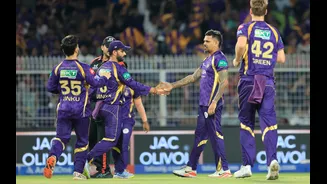
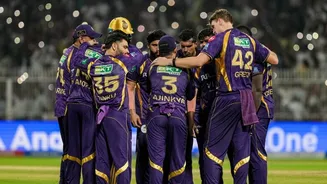
It's no surprise that teams like Kolkata Knight Riders (KKR) and Lucknow Super Giants (LSG) are circling. Yashasvi Jaiswal is one of the most explosive and exciting young talents in world cricket. His breakthrough 2023 season, where he amassed 625 runs, announced his arrival on the big stage. With an aggressive strike rate often exceeding 150 and the ability to score massive, match-winning hundreds, he is the kind of opener who can define a team's entire batting philosophy. Both KKR and LSG have had periods of inconsistency and are reportedly looking for a franchise-defining Indian star to build around. KKR, in particular, need a new face for the franchise after recent leadership changes, while LSG are looking to finally make a deep playoff run. Acquiring a player of Jaiswal’s caliber would be a massive statement of intent from either side.
The Anatomy of a Blockbuster Trade
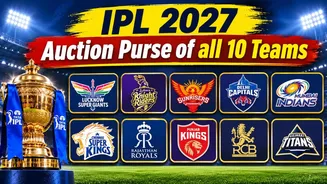
So what would it take to pry Jaiswal from the Royals? A trade of this magnitude would be historic. It would likely involve a combination of a massive cash component and possibly one or more star players moving in the opposite direction. For KKR, it might mean parting with a key part of their current core, such as a premier bowler or a middle-order powerhouse like Rinku Singh. For LSG, who reportedly have a large purse, it could be an all-cash deal or a package including some of their prized assets. Rajasthan Royals will be in a powerful negotiating position. They don't have to trade him. Any offer would need to be so overwhelming that it gives them the resources to rebuild their squad more effectively than they could with Jaiswal alone. It's a high-stakes calculation of present value versus future potential.
Rajasthan's Strategic Crossroads
For Rajasthan Royals, this is a moment of truth. On one hand, they have a generational Indian talent, a fan favourite who embodies their brand of fearless cricket. Building the next three-year cycle around him seems like the obvious and most emotionally resonant choice. On the other hand, the business of the IPL is unsentimental. If a team like KKR or LSG tables an unprecedented 'player-plus-cash' offer, the front office has a duty to consider it. Could trading one superstar for, say, a top-tier fast bowler and a solid Indian middle-order batsman make the team more balanced and successful overall? This is the dilemma they face. They control Jaiswal's fate, but the allure of a league-shaking trade could prove too tempting to ignore.