








Beyond the Usual Grind
Walk into a trendy urban café today, and the menu might surprise you. Alongside the flat whites and avocado toast, you are increasingly likely to find ragi pancakes, millet dosas, and coffee sourced not from a distant continent, but from a specific estate
in the Western Ghats. This is the new face of café culture in India—a deliberate and celebrated return to local ingredients. Cafés in cities like Bengaluru, Mumbai, and Delhi are becoming champions of a farm-to-table ethos that was once confined to fine-dining restaurants. This movement is about more than just food; it's a statement about identity, health, and sustainability. It’s a shift from offering globally generic fare to creating a uniquely Indian experience.
The Mighty Millet Makes a Comeback
At the forefront of this trend are ancient grains that have been staples in Indian homes for centuries. Millets, such as ragi, jowar, and bajra, are enjoying a massive resurgence. Once seen as humble, traditional foods, they are now being celebrated for their nutritional benefits and versatility. Chefs are getting creative, turning these gluten-free powerhouses into everything from soft tacos and crepes to nourishing upma and even pasta. Establishments like Café Lota in Delhi have built a reputation on reinventing regional gems, offering healthier versions of beloved classics like bajra chilla and ragi vada pav. This isn't just a nod to health; it's a delicious bridge between the food we grew up with and the modern café setting we love.
A Taste of Place and Pride
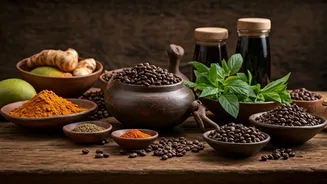
This local food movement also extends to the very soul of the café: coffee. For years, the story of Indian coffee was a quiet one, but now, a new generation of roasters and café owners is putting local beans in the spotlight. Brands like ARAKU Coffee and Blue Tokai are highlighting single-estate, terroir-mapped coffees from regions like the Araku Valley and Chikmagalur, each with a unique flavour profile shaped by the local soil and climate. By telling the story of their coffee from farm to cup, these cafés are fostering a deeper appreciation for Indian agriculture and giving consumers a reason to feel proud of the country’s rich coffee heritage.
Why Local is the New Global
Several factors are fueling this homegrown trend. For diners, there's a growing consciousness about health and a desire to eat fresh, chemical-free food. There is also a powerful element of nostalgia, as these flavours connect urban millennials to their roots and the comfort of home-cooked meals. For café owners, sourcing locally is not just a marketing edge that attracts eco-aware customers; it’s a way to create a more sustainable business model by reducing their carbon footprint and supporting local farmers and producers. In a world of globalized menus, offering something that is authentically and unapologetically local has become the ultimate mark of distinction.