

In the kingdom of tropical fruits, mango and papaya reign supreme. Both boast sunset hues and a devoted following, but they are far from interchangeable. This friendly rivalry pits the king of fruits against the enzyme powerhouse. So, which wins?
The Flavour and Texture Showdown
The most
immediate difference lies in taste and texture. A ripe mango delivers a complex, perfumed sweetness with hints of peach, pineapple, and even a slight floral or spicy note depending on the variety. Its flesh is fibrous but juicy, holding its shape well when cubed. Papaya, on the other hand, is much milder and creamier. Its flavour is often described as subtly sweet with a musky undertone, and its texture is buttery and soft, similar to a cantaloupe or avocado. This makes papaya a gentle, refreshing bite, while mango offers a more intense and tangy flavour experience.
A Nutritional Knockout Round
Both fruits are nutritional champions, but they excel in different arenas. Papaya is the lighter choice, with significantly fewer calories and about half the sugar of mango per serving. Its claim to fame is its exceptionally high Vitamin C content, with a single cup providing nearly a full day's requirement. Mango fights back with superior levels of Vitamin A (from beta-carotene), Vitamin E, and folate, which are crucial for eye health, skin, and cell growth. Both fruits are good sources of fibre, aiding in digestion and promoting a feeling of fullness. Your choice might depend on your health goals: papaya for a low-sugar immunity boost, and mango for vision support and antioxidants.
The Secret Weapon: Papain vs. Mangiferin
Beyond basic vitamins, each fruit has a unique bioactive compound. Papaya is famous for papain, a powerful enzyme concentrated in the unripe, green fruit. Papain breaks down proteins, which is why green papaya is a celebrated natural meat tenderiser and digestive aid. Studies suggest papain can also help reduce inflammation and pain. Mango's secret weapon is mangiferin, a potent antioxidant studied for its anti-inflammatory properties. While papain is known for its role in digestion, mangiferin works at a cellular level to combat oxidative stress.
In the Savoury Kitchen: A Tale of Two Tastes
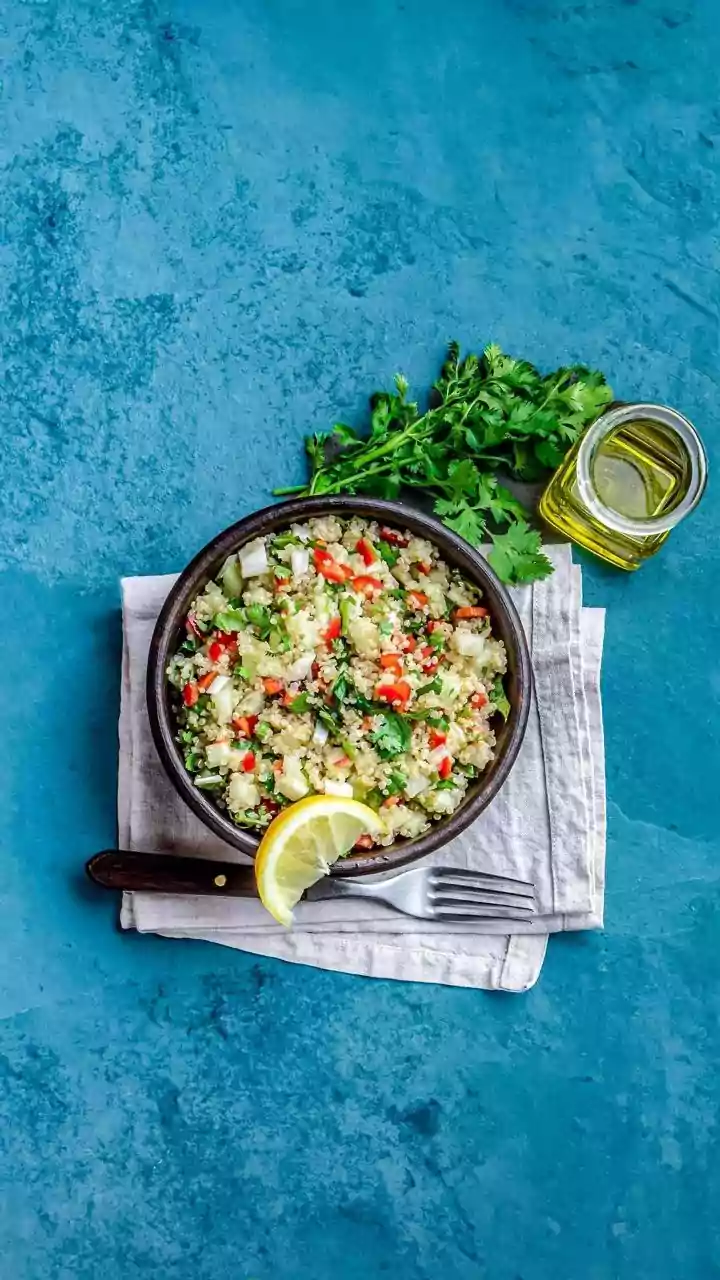
Here, ripeness is everything. Unripe, or green, mango is a sour, tangy powerhouse, perfect for grating into pickles, chutneys, and zesty salads that need a sharp bite. Green papaya has a more neutral, cucumber-like crunch, making it an excellent base for salads like Thai 'Som Tam', where it absorbs the flavours of the dressing. Because of its papain content, raw papaya is a brilliant addition to marinades for tenderising tough cuts of meat. In savoury dishes, green mango provides the flavour punch, while green papaya provides the texture and enzymatic power.
Sweet Endings: Desserts and Drinks
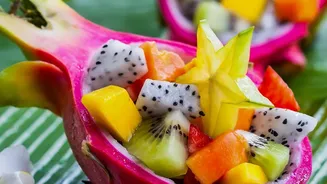
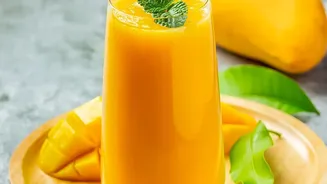
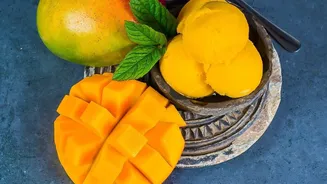
When it comes to desserts, the rich, dominant flavour of ripe mango often takes centre stage. It’s a star in lassis, ice creams, kulfi, and fruit tarts. Its sturdy flesh holds up well to being cubed for salads or blended into thick, satisfying smoothies. Papaya’s creamy texture and milder sweetness make it a wonderful partner in fruit bowls, especially with a squeeze of lime to brighten its flavour. It blends beautifully into smoothies, creating a silky consistency without overpowering other ingredients. For a simple, refreshing breakfast, a bowl of papaya is hard to beat, while mango is the go-to for more decadent sweet treats.