




The Anatomy of a Milestone
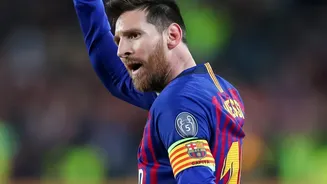
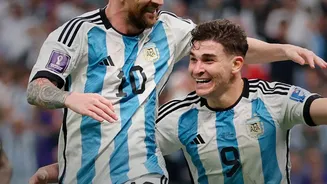
First, let's establish the numbers. Following his brace against D.C. United on October 10, the Argentine maestro took his official senior career tally for club and country to a staggering 934 goals. This isn't a figure padded with youth team goals or unofficial
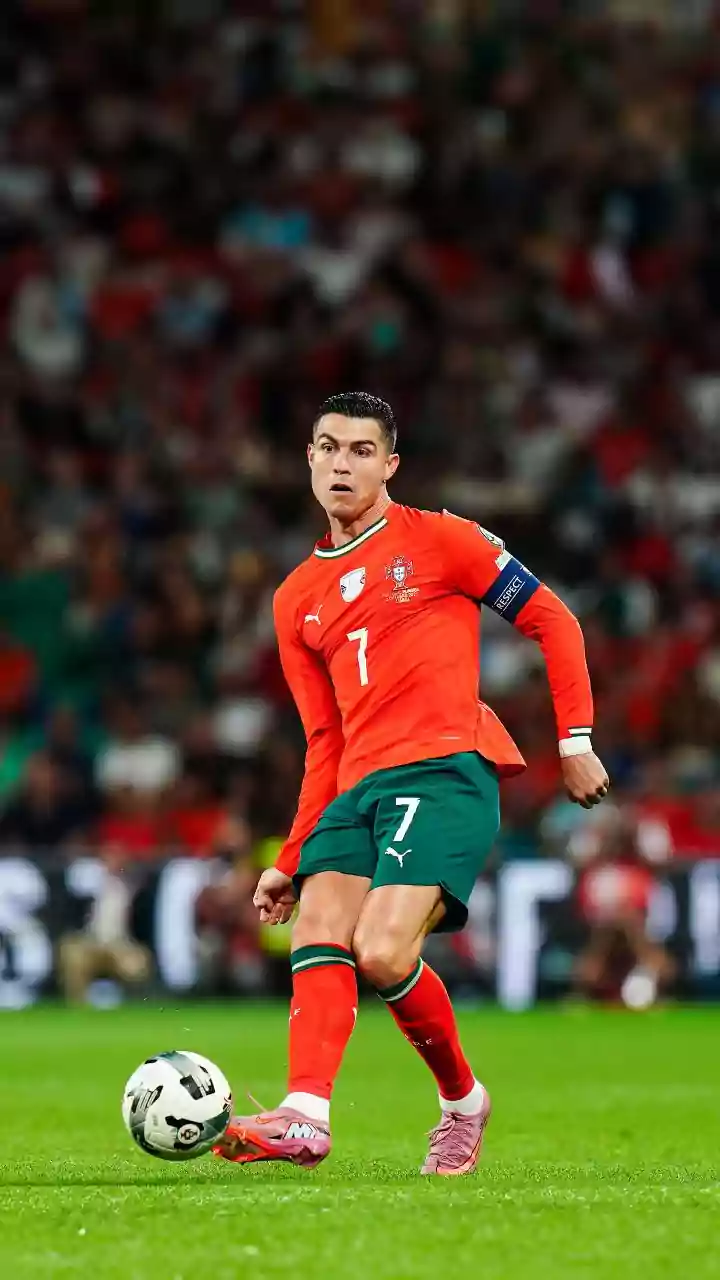
friendlies; this is the real deal. His great rival, Cristiano Ronaldo, currently leads the all-time race and is closing in on the 1,000-goal mark himself, reportedly sitting at 980 goals. For Messi, this leaves him needing another 66 goals to join a club so exclusive its membership is fiercely debated. While some historical accounts credit players like Pelé with over 1,000 goals, those tallies often include tour matches and non-competitive fixtures. Reaching 1,000 purely in official games is the modern benchmark, a feat that would be unprecedented.
The Road to 1,000
So, what would it take for the 39-year-old to score another 66 goals? Since joining Inter Miami, Messi has been in sensational form, leading the MLS Golden Boot race with 23 goals this season. At his current pace, the task seems achievable over a few more seasons. If he were to average around 30 goals a season—a reasonable projection given his recent output and creative role in the team—he would need just over two full seasons to hit the mark. His contract with Inter Miami runs through the 2028 season, which would take him to the age of 41. This provides a clear window of opportunity. The primary question is not just about skill, which remains undeniable, but about his physical longevity and motivation as he enters his fifth decade.
The Case for Immortality
There are compelling reasons to believe he can do it. Firstly, Messi has adapted his game masterfully. He is no longer the explosive winger who bursts past defenders but a supreme playmaker who dictates the tempo, often from a deeper position. This evolution conserves energy and reduces wear and tear. Secondly, playing in Major League Soccer, while increasingly competitive, is less physically demanding than Europe’s top five leagues, potentially extending his career. Finally, there's his mentality. Having won every major trophy, including the World Cup, he now plays with a visible sense of joy and freedom. This, combined with his recent retirement from international football, allows him to focus all his energy on his club career, making the pursuit of milestones a tangible late-career goal.
Father Time's Undefeated Record
However, the arguments against are just as strong. At 39, the risk of injury is ever-present, and any significant lay-off would make the 66-goal target substantially harder to reach. While he has been remarkably durable throughout his career, the body inevitably becomes more fragile with age. Furthermore, motivation could wane. Having already secured his legacy as arguably the greatest player of all time, the internal drive to chase records might not burn as brightly as it once did. There have been speculative reports that he might consider retiring at the end of the 2026 season, long before his contract expires, though these remain unconfirmed. The simple, relentless march of time is the biggest opponent any athlete faces, and it remains undefeated.
Does the Number Even Matter?
Ultimately, whether Messi reaches 1,000 goals or not will do little to alter his standing in the pantheon of footballing gods. He has already broken nearly every conceivable record, from most Ballon d'Or awards to an incredible 47 official trophies. His career is not defined by one singular statistic but by two decades of sustained genius, moments of impossible skill, and a collection of silverware that speaks for itself. The chase for 1,000 goals provides a fascinating final chapter, a compelling narrative for fans to follow as the sun begins to set on a historic career. It’s a testament to his greatness that, even at 39, he has made the unthinkable seem plausible. The joy is in watching the journey, regardless of the final destination.