



The Manchester of South India
Coimbatore's identity is woven from cotton. The nickname 'Manchester of South India' isn't just a quaint honorific; it's a testament to a powerful industrial past that transformed the region. The boom began in the late 19th and early 20th centuries, fueled
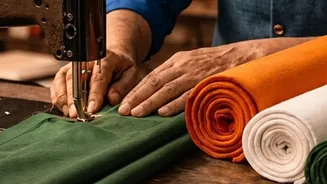
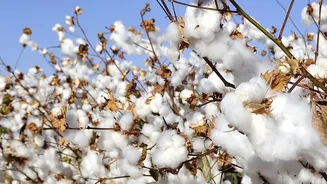
by a perfect combination of factors. The region's rich black soil was ideal for cotton cultivation, providing an abundant local supply of raw material. The real game-changer, however, was the commissioning of the Pykara hydroelectric project in 1932, which provided the city with plentiful and cheap electricity. This power surge ignited an industrial revolution, leading to the establishment of dozens of spinning and weaving mills that would dominate South India's textile landscape for decades.
Pioneers of the Spindle
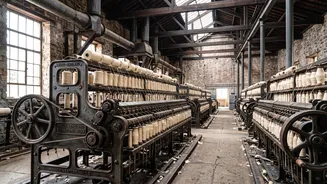
The story of Coimbatore's mills is also the story of its visionary entrepreneurs. The first mill, the Coimbatore Spinning & Weaving Mills, was started in 1888 by Sir Robert Stanes. This was followed by a wave of Indian-owned enterprises. Kaleeswarar Mills, founded in 1906, was the first major mill started by local pioneers. An inspiring tale from this era is that of G. Kuppuswamy Naidu, who reportedly paid a one-anna fee to tour the Stanes mill as a visitor and was so inspired that he went on to establish the iconic Lakshmi Mills in 1910. These mills were more than just factories; they were sprawling complexes that employed thousands, shaped the city's economy, and became landmarks in their own right. Names like Somasundaram Mills, Radhakrishna Mills, and Sri Ranga Vilas Mills became synonymous with Coimbatore's prosperity.
From Mill Towns to Malls
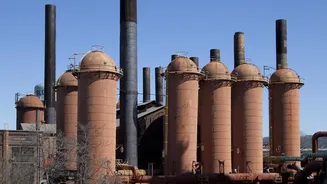
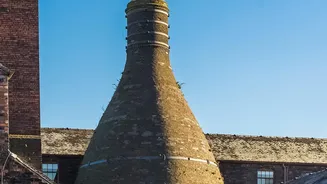
A trip through modern Coimbatore reveals a fascinating evolution. While many of the original mills began to decline in the 1980s due to changing technologies and the rise of synthetic fabrics, their physical and cultural echoes remain. Many old mill bus stops still bear the names of these industrial giants, even if the structures themselves are gone. A popular trend is 'adaptive reuse', where historic industrial sites are repurposed for modern needs. The most prominent example is the Lakshmi Mills campus on Avinashi Road. Instead of being demolished, the site has been transformed into a vibrant, mixed-use urban destination with retail stores, offices, and public plazas. This approach preserves the architectural character of the old mill buildings, including their large windows and distinctive features, while giving them a new lease on life.
A Living Textile Legacy
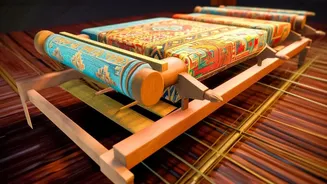
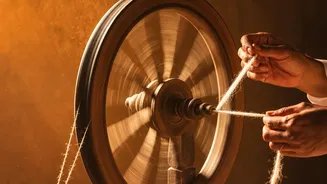
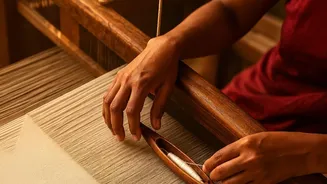
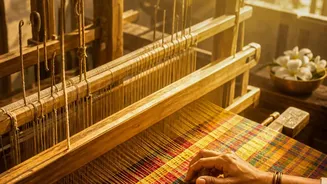
While the golden age of the giant, all-in-one mills has passed, Coimbatore's textile legacy is far from over. The city remains a massive hub for the textile industry, home to thousands of small, medium, and large enterprises. The spirit of innovation continues in textile machinery manufacturing and research. To get a true sense of this history, a visit to the Kasthuri Sreenivasan Art Gallery and Textile Museum is essential. It showcases the technological evolution of spinning and weaving, from ancient whorl wheels to the machines of the industrial revolution. The city's markets are still a treasure trove for high-quality cotton fabrics and traditional handloom sarees, connecting the present-day shopper directly to a heritage built on cotton.