

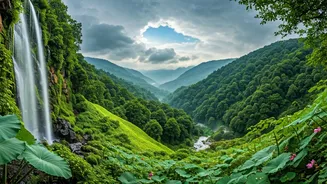


Valley of Flowers, Uttarakhand
Imagine walking through a high-altitude Himalayan valley carpeted with over 300 species of alpine flowers in full bloom. That is the UNESCO World Heritage Site of the Valley of Flowers during monsoon. From July to September, the landscape explodes in a riot
of colour, with potentillas, geraniums, and blue poppies painting the meadows against a backdrop of mist-shrouded peaks. The trek itself is moderately difficult, starting from the village of Govindghat. The rain washes the air clean, making the colours even more vibrant and the experience truly ethereal. This is not just a trek; it’s a walk through a living canvas that only reveals its full splendour during the rains.
Hampta Pass, Himachal Pradesh
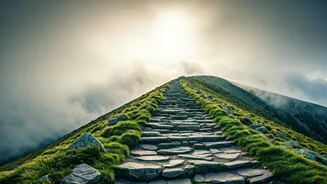
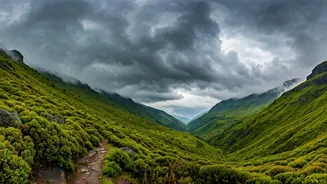
For those seeking dramatic contrasts, the Hampta Pass trek is an unparalleled monsoon journey. This trail acts as a corridor between two distinct landscapes. You begin in the lush, green Kullu Valley, with its dense pine forests, gurgling streams, and verdant meadows. As you ascend towards the 14,000-foot pass, the scenery morphs dramatically. On the other side lies the arid, starkly beautiful desert landscape of Lahaul and Spiti. The monsoon clouds often get trapped on the Kullu side, meaning you can experience both pouring rain and bright sunshine in a single trek. It’s a thrilling crossover experience that showcases the incredible diversity of the Himalayas.
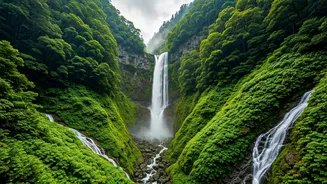
Dudhsagar Falls, Goa
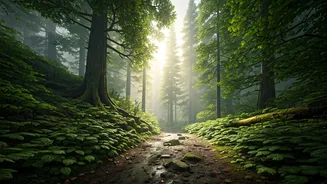
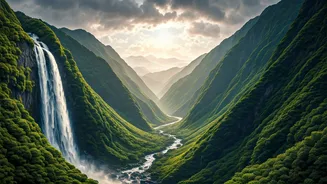
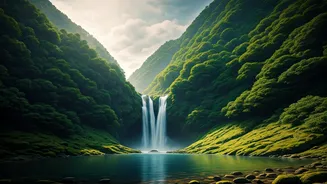
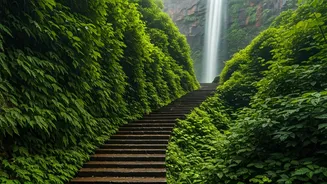
Meaning 'Sea of Milk', Dudhsagar is one of India’s tallest waterfalls, and it is at its most ferocious and magnificent during the monsoon. Located on the Mandovi River on the border of Goa and Karnataka, the falls cascade down from a height of over 1,000 feet. While the railway track route is often restricted for safety, several jeep safaris and guided treks through the Bhagwan Mahaveer Sanctuary and Mollem National Park take you to its base. The roar of the water is deafening, and the spray can be felt from a distance. The surrounding forest is a vibrant, deep green, alive with the sounds of insects and birds, making the journey to the falls as memorable as the destination itself.
Sinhagad Fort, Maharashtra
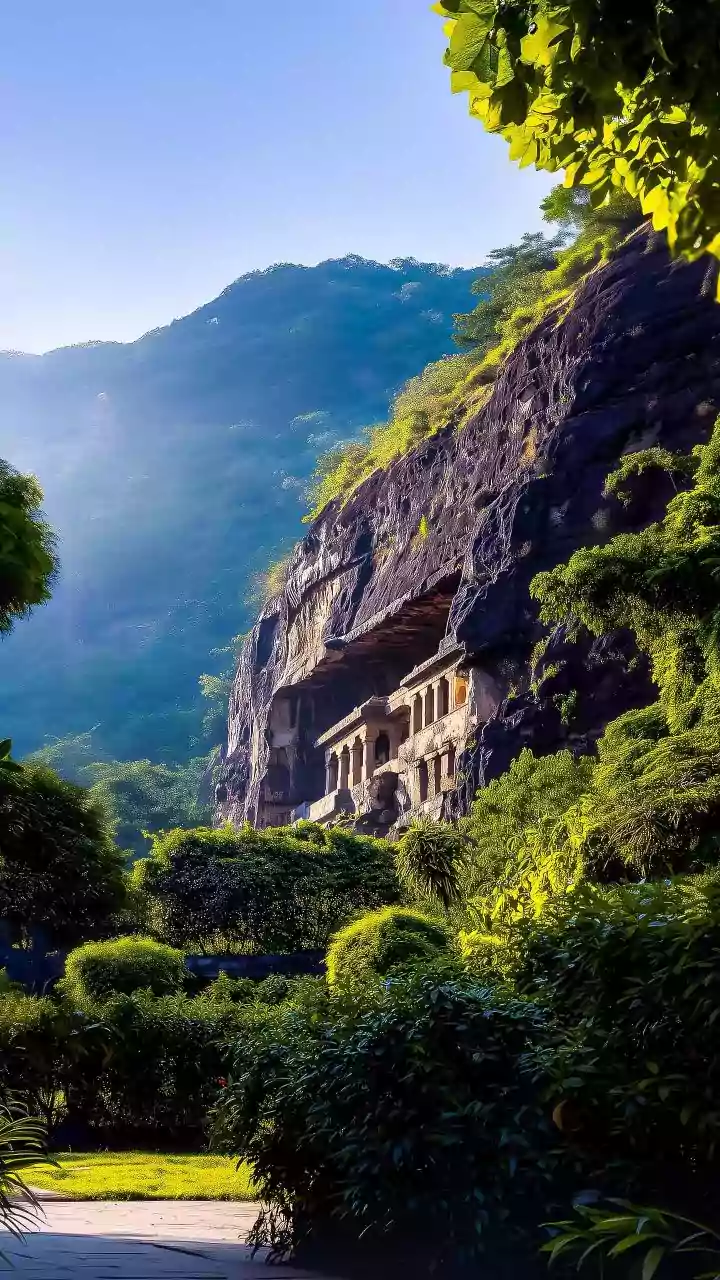
A beloved weekend escape for residents of Pune and Mumbai, the trek to Sinhagad Fort becomes a cultural and sensory experience in the monsoon. The relatively easy climb is rewarded with panoramic views of the green Sahyadri hills blanketed in fog. But the real treat awaits at the top. Local vendors set up small stalls selling piping hot pithla bhakri (a gram flour curry with flatbread), kanda bhaji (onion fritters), and steaming chai. Huddling under a tin roof, savouring these simple, delicious snacks while the rain drums down outside, is a quintessential Maharashtrian monsoon ritual. It’s a trek that nourishes both the body and the soul.
Essential Monsoon Trekking Tips
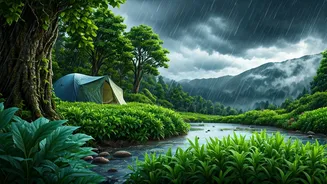
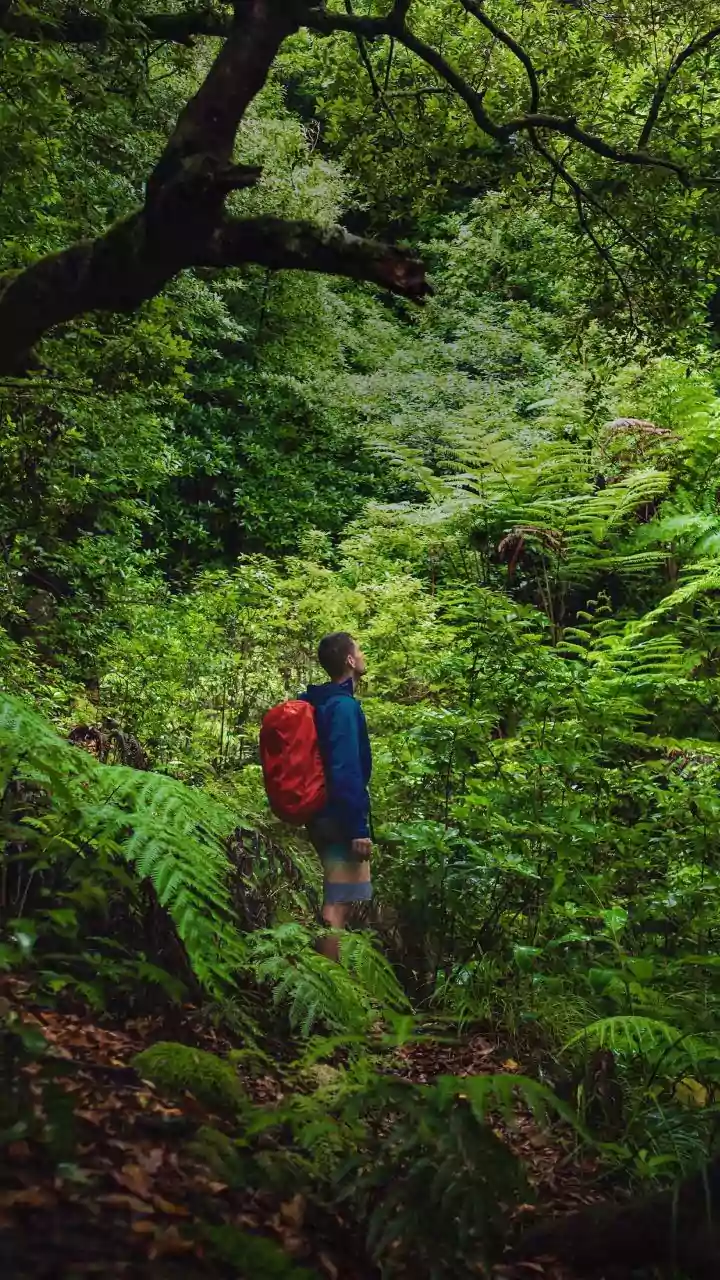
While beautiful, trekking in the rain requires preparation. Always prioritise safety. First, invest in waterproof gear: a good rain jacket, a poncho to cover your backpack, and waterproof trekking shoes with excellent grip are non-negotiable. Pack your belongings in dry bags or plastic liners inside your backpack. Leeches are common, so wear leech-proof socks or carry a small pouch of salt or sanitiser. Trails will be slippery and muddy; use trekking poles for stability. Always check the local weather forecast and trail conditions before you leave, and if possible, trek with an experienced guide or group. Finally, stay hydrated, even if you don't feel thirsty, and pack quick-energy snacks.