



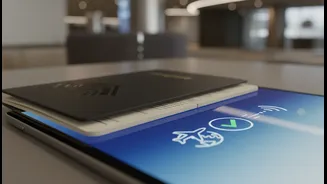


The Shift to eVisas
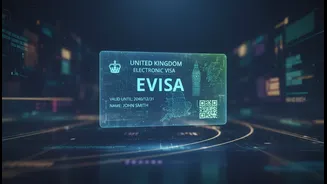
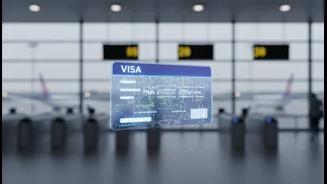
For Indian travellers, the most immediate change is the move to eVisas. As of July 2026, the UK has stopped issuing the traditional visa stickers, known as vignettes, that were placed in passports. Instead, if your application for a UK visa is successful,
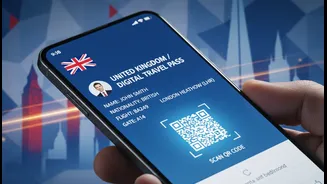
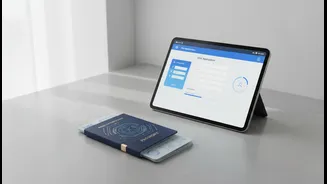
you will be issued a digital eVisa. This eVisa is an electronic record of your permission to enter and stay in the UK, securely linked to your passport. You will need to create a UK Visas and Immigration (UKVI) online account to view and manage your status. This digital system aims to be more secure and efficient, as it cannot be lost or stolen like a physical document.
What About the ETA?
You may have heard about the UK's new Electronic Travel Authorisation (ETA) scheme. It is crucial for Indian passport holders to understand that the ETA does not apply to them. The ETA system, which requires travellers to get pre-travel digital permission, is only for nationals of countries who do not need a visa for short stays in the UK, such as citizens of the USA, Canada, Australia, and EU countries. Indian citizens are still required to apply for a standard visitor visa or other appropriate visa before travelling to the UK. There is currently no plan to extend the ETA scheme to include Indian nationals.
Goodbye to Passport Stamps
Another part of the UK's border digitalisation is the phasing out of physical passport stamps upon entry. Instead of an ink stamp, your entry and exit will be recorded electronically against your digital travel record. This is part of a wider trend, with the EU also implementing a similar digital Entry/Exit System (EES). While some travellers may miss the souvenir of a passport stamp, the digital record provides a more accurate and secure way for authorities to manage border crossings. This means that your entire immigration history with the UK will be stored in your online UKVI account.
Can Indians Use the E-Gates?
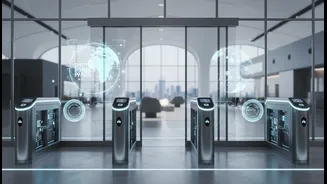
The automated e-gates at UK airports offer a faster way through immigration control by using facial recognition technology. However, eligibility for Indian citizens is not universal. Generally, e-gate access is available to nationals of the UK, EU, and a select list of other countries like the USA, Canada, and Australia. Indian passport holders are typically not eligible to use the e-gates and must see a Border Force officer upon arrival, unless they are a member of the UK's Registered Traveller Service. It's always best to follow the signs at the airport, as rules and operational capacity can change.
Preparing for Your Digital Journey
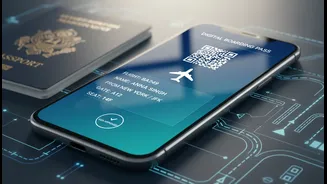
To ensure a smooth journey under the new system, preparation is key. After your visa is granted, create your UKVI account immediately and check that your eVisa details are correct. Ensure the passport you travel with is the same one linked to your eVisa, and if you renew your passport, you must update your details in your UKVI account. Before you fly, airlines will digitally verify your permission to travel, so having your account and details in order is essential to avoid being denied boarding. Always carry any physical documents you were issued during the transition period as a backup.