



Beyond the Barbell
For decades, the gym has been the primary arena where we measure physical strength. The narrative is simple: more weight, more reps, more power. This approach, often called traditional strength training, is excellent for isolating specific muscles to
build size and raw force. It’s how bodybuilders sculpt their physiques and powerlifters achieve staggering feats of strength. While this method has its benefits, such as increasing muscle mass and bone density, it can sometimes be a narrow and incomplete picture of what it means to be truly strong and capable in your everyday life. The strength to press a heavy barbell overhead doesn't always translate to the complex, multi-faceted movements we perform without a second thought, like carrying a wriggling toddler or hoisting a suitcase into an overhead bin.
What Is Functional Strength?
Enter functional strength training. This approach is less about isolating muscles and more about training movement patterns. Think of it as practice for real life. Functional fitness focuses on exercises that mimic everyday activities, engaging multiple muscle groups and joints simultaneously. Instead of a bicep curl, think of lifting a full grocery bag. Instead of a leg extension machine, think of squatting down to pick something up off the floor and standing back up. The goal isn't just to be strong in the gym; it's to make your daily life easier, safer, and more efficient. This type of training improves coordination, balance, and stability, preparing your body to handle the unpredictable physical demands you face outside of a controlled gym environment.
The Real-World Benefits
Focusing on functional fitness brings a host of practical advantages. One of the most significant is injury prevention. By strengthening muscles in patterns that you actually use, you reduce the risk of strains and sprains from awkward movements. Ever tweaked your back while lifting a heavy box? Functional training builds core stability and teaches your body to move more efficiently, protecting your spine. It also enhances balance and coordination, which is crucial for preventing falls, especially as we age. Beyond injury prevention, building this kind of strength improves your overall quality of life. Everyday tasks become less strenuous, mobility and flexibility increase, and you move with more confidence and ease. It also supports better posture and can alleviate common aches and pains in the back and joints.
New Ways to Measure Your Power
If we're not just counting kilograms on a bar, how do we measure this new kind of strength? It's time to create new personal bests. Your progress is measured in life, not just in the gym. For example, can you carry all your shopping bags from the car to the kitchen in one trip? Can you sit on the floor and get back up without using your hands for support? Can you easily lift your child or a heavy bag of garden soil? These are all powerful indicators of functional strength. Other benchmarks could include being able to play a sport without feeling sore the next day, having the endurance to take the stairs instead of the lift without getting winded, or being able to reach for something on a high shelf without straining. Your reward isn’t a new number in a workout app, but a greater sense of capability and independence in your world.
Building Strength That Serves You
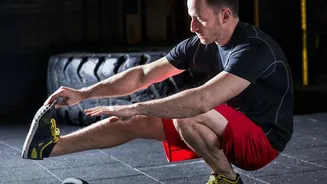
The great news is that you don't need a fancy gym membership or complicated equipment to build functional strength. Many exercises use just your body weight. Squats, which mimic getting out of a chair, are a cornerstone. Lunges improve balance and single-leg strength, crucial for walking and climbing stairs. Push-ups build upper body and core strength for pushing doors or getting up from the ground. You can also get creative with items around your home. A “farmer’s walk,” which involves carrying heavy weights in each hand, can be done with two bags of groceries. Simple step-ups onto a sturdy bench or stair build leg power and stability. The key is to focus on movements that feel relevant to your life, combining strength, balance, and coordination into one fluid effort.