




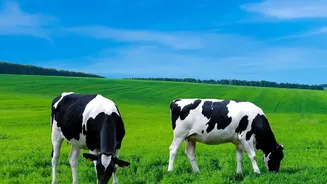
The Science of Stress on Cattle
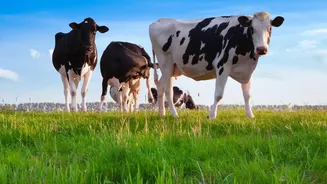
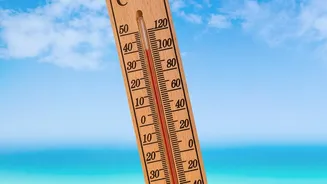
Dairy animals, like humans, have a thermal comfort zone. When high temperatures combine with high humidity, their ability to cool down by sweating becomes less effective. This condition, known as heat stress, is scientifically measured using the Temperature-Humidity
Index (THI). Studies show that once the THI surpasses a certain threshold, cattle begin to experience stress. Obvious signs include panting, reduced movement, and increased water intake. More importantly, the animal's body diversits energy away from milk production to focus on thermoregulation, or simply trying to stay cool. This directly leads to lower milk yields. It’s not just about producing less milk; the quality can also suffer, with a decrease in fat and protein content, which determines its market price. Furthermore, prolonged heat stress can weaken an animal's immune system and negatively impact fertility and reproductive cycles, leading to fewer and less healthy calves.
India’s Vulnerable Dairy Belt
India's position as the world's top milk producer is reliant on millions of smallholder farmers, many of whom are in regions now experiencing more intense and frequent heatwaves. A recent landmark study focusing on Haryana, a key state in India's milk-producing belt, found that the combination of temperatures over 38°C and humidity above 70%—a common scenario when summer heat overlaps with the monsoon—causes a significant drop in milk production. Buffaloes, which are crucial to India's dairy economy, are particularly vulnerable because they have fewer sweat glands than cattle, making it harder for them to cool down. The research established that heat stress is no longer a future risk but a present reality, especially in the vital trans-Gangetic plains. This vulnerability poses a direct threat not only to dairy companies but also to the household income and nutritional security of countless rural families.
A Domino Effect on the Rural Economy
The dairy sector is a cornerstone of India's rural economy, providing a stable income for an estimated 80 million farmers. Unlike seasonal crops, milk provides a steady cash flow. When milk yield drops due to heat stress, this reliable income stream is threatened. For small and marginal farmers, a reduction of even a litre or two per animal per day can be devastating. This is compounded by rising costs, as farmers may need to spend more on veterinary care for heat-stressed animals, nutritional supplements to maintain health, and cooling measures to provide relief. Some studies estimate that India is already losing millions of tonnes of milk annually due to heat-related stressors, translating into economic losses worth thousands of crores. Projections warn that these losses could increase dramatically by the 2050s if warming trends continue without effective adaptation measures.
From the Farm to Your Kitchen
The pressure on farmers eventually ripples through the entire supply chain to the end consumer. A strained supply can lead to increased price volatility for milk and a wide range of dairy products, from paneer and cheese to butter and ice cream. While India's milk production has grown impressively over the last decade, climate change threatens to undermine these gains. Experts warn that the difficulty in meeting rising domestic demand could, in the long term, affect per capita consumption and even threaten the self-sufficiency that India achieved through the White Revolution. The issue is not just about price, but about ensuring a stable and secure supply of a fundamental component of the Indian diet.
Searching for Cooler Solutions
The challenge is significant, but not insurmountable. Farmers and researchers are actively exploring ways to mitigate the effects of heat stress. Simple, low-cost strategies include providing adequate shade, ensuring constant access to clean and cool water, and adjusting feeding schedules to cooler parts of the day. More advanced solutions involve installing fans and water sprinklers in sheds to create a more comfortable microclimate for the animals. There is also a growing focus on nutritional management, such as providing feed that is easier to digest, which reduces the metabolic heat produced by the animal. On a larger scale, experts are calling for a shift towards resilience-oriented livestock management, which includes promoting indigenous cattle breeds like the Sahiwal and Gir, which are naturally more tolerant to heat. Combining these on-farm adaptations with broader policy support and early-warning systems will be crucial for securing the future of India's dairy sector in a warmer world.