






The New Travel Essential
Gone are the days when a travel checklist comprised only tickets, hotel bookings, and a rough itinerary. Today, savvy travellers in India are adding a new, critical task: diligently tracking weather forecasts from the India Meteorological Department (IMD).
This isn't about avoiding a surprise shower; it’s a crucial adaptation to a new reality of more frequent and intense weather events. A 2023 report highlighted that India experienced extreme weather almost daily for the first nine months of the year. From flash floods in the Himalayas to severe heatwaves on the plains and cyclones along the coasts, weather has become a powerful, unpredictable force capable of derailing the most well-laid plans. Consequently, checking an IMD alert has shifted from an afterthought to a foundational part of travel planning, influencing everything from the choice of destination to the dates of travel and the items in one's suitcase.
Decoding the IMD's Alerts
To effectively use the IMD's guidance, it's essential to understand its colour-coded warning system, which is designed to communicate weather severity in a simple format. A 'Green' alert means all is well, and no adverse weather is expected. A 'Yellow' alert advises you to 'Be Aware'; it indicates the potential for bad weather that could cause disruptions. The 'Orange' alert means 'Be Prepared' for extremely bad weather that could interrupt travel and power. The most serious, a 'Red' alert, signals authorities and the public to 'Take Action' in the face of hazardous conditions that pose a significant risk to life and property. These alerts, issued for events like heavy rainfall, thunderstorms, and heatwaves, are the IMD's way of telling travellers whether to proceed with caution or reconsider their plans entirely. They are updated daily and are accessible through the IMD's official channels.
Your Pre-Trip Weather Checklist
Integrating weather checks into your planning can be done in a few simple steps. Start by checking the IMD's long-range forecasts even before you book your trip, especially if you are travelling during a season known for volatile weather, like the monsoon. As your departure date approaches, switch to monitoring the 5-day and 7-day forecasts to get a more refined picture. In the 24-48 hours before you leave, pay close attention to short-range forecasts and any specific warnings issued for your destination. Once you're on the ground, 'nowcasts', which provide 3-hourly warnings for localised weather phenomena, become invaluable for planning your daily activities. This tiered approach ensures you are never caught completely off-guard and can make informed decisions at every stage of your journey.
Essential Apps and Resources
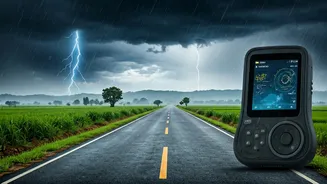
The IMD has made its data more accessible than ever through a suite of mobile applications. The flagship app, 'Mausam', provides current weather information, 7-day forecasts for hundreds of cities, and colour-coded alerts. It also offers radar imagery to track rain and cloud movement in near real-time. For specific threats, the 'Damini' app provides early warnings for lightning strikes, an essential tool for anyone planning outdoor activities. 'Meghdoot' is tailored for the agricultural sector but can be useful for understanding broader weather patterns. The UMANG app, a unified platform for government services, also integrates IMD services, including tourism forecasts. By keeping these apps on your phone, you have a direct line to official weather intelligence, helping you stay ahead of any potential disruptions.
Building a Weather-Proof Itinerary
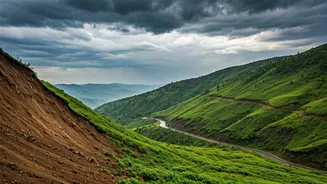
In an era of climate uncertainty, a rigid itinerary is a risky one. The key to modern travel is flexibility. When possible, opt for refundable bookings for flights and accommodation, providing a safety net if a severe weather alert forces a last-minute cancellation. Pack for multiple scenarios; even if the forecast looks clear, a lightweight raincoat or an extra warm layer can be a trip-saver. More importantly, always have a contingency plan. What will you do if a predicted downpour makes your planned trek unsafe? What's your backup if a heatwave makes sightseeing unbearable? Thinking through these alternatives beforehand prevents panic and allows you to pivot your plans smoothly. For high-risk areas, like landslide-prone mountain roads during monsoon or coastal areas during cyclone season, always heed official advice and be prepared to alter your route or even evacuate if necessary.