



A New Wave in Bavarian Beer Tents
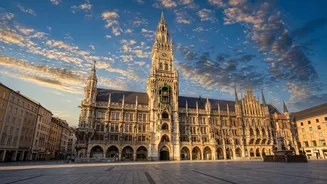
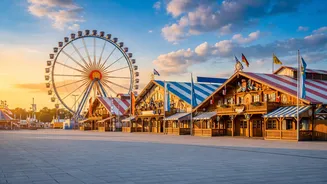
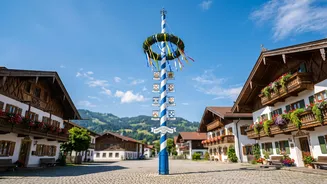
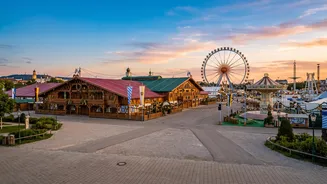
The world's largest folk festival, Oktoberfest, has long been a bucket-list item for travellers globally. Held in Munich from late September to early October, it's a vibrant celebration of Bavarian traditions, food, music, and, of course, beer. This year,
however, a notable trend has emerged amidst the millions of visitors: a remarkable increase in travellers from India. Recent travel data for the 2026 festival period reveals that air bookings from India to Munich have surged by nearly 60% compared to the previous year. This spike is part of a broader shift in the international makeup of the festival's attendees, which has also seen more visitors from Japan and Australia, while numbers from traditional markets like the US and UK have dipped.
From Quick Jaunts to Grand Tours
The growing Indian presence at Oktoberfest isn't just a standalone phenomenon; it's a clear indicator of a deeper change in Indian travel habits. The classic, whirlwind '10 countries in 12 days' European tour is steadily being replaced by a preference for more immersive experiences. An increasing number of Indian tourists, particularly millennials, are using Oktoberfest as an anchor for longer, more elaborate European holidays. Instead of a quick city break, they are integrating the festival into extended itineraries that might include destinations in Austria, Hungary, and the Czech Republic. Travel industry data confirms this trend, showing a 13% rise in trips to Munich lasting 14 nights or more during the festival period.
What's Driving the European Slowdown?
Several factors are fuelling this move towards 'slow travel'. Rising disposable incomes and a growing class of experienced globetrotters mean many Indians are on their second or third trip to Europe, seeking to go beyond the typical Paris-Rome-Switzerland circuit. There is a growing desire for authentic cultural experiences over merely ticking off landmarks. This is reflected in a decline in demand for rushed, multi-country packages and a rise in trips focused on two or three countries with longer stays in each location. Families, in particular, are driving this change, opting to reduce travel strain and spend more quality time in fewer places, even if it means a higher per-trip cost. This mindset turns a festival like Oktoberfest from a primary goal into a vibrant stop on a much larger cultural journey.
The Modern Indian Traveller Emerges
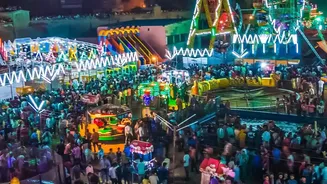
The profile of the Indian traveller is also evolving. A significant portion of visitors to events like Oktoberfest are now solo travellers, who account for nearly half of all air bookings. This demographic, along with young professionals and couples, is digitally savvy, well-researched, and looking for unique, shareable experiences. The visual appeal and celebratory atmosphere of Oktoberfest make it a perfect fit for this new generation. While younger Gen Z travellers might still opt for a short, budget-focused trip centered on the festival itself, the larger trend points towards more thoughtfully planned and extended holidays. This shift also shows in their spending, with budgets between ₹60,000 and ₹1,20,000 per person for an Oktoberfest-centric trip, covering not just the festival but also curated tours and premium experiences.