





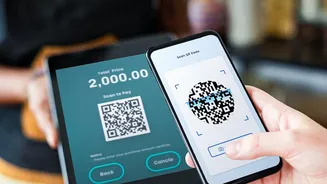
Cashless convenience is sweeping across Indonesia, with the QRIS payment system making transactions seamless. But as its popularity soars, so do the risks. For travelers, staying aware of potential fraud is key to a safe and smooth journey.
What is QRIS and Why Is It Everywhere?
If you're travelling
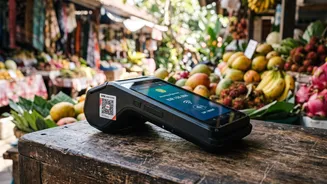
in Indonesia, you'll quickly notice the black-and-white QRIS code displayed at everything from street-side 'warung' food stalls to upscale boutiques in Bali. QRIS, which stands for Quick Response Code Indonesian Standard, is a unified payment system launched by Bank Indonesia. Before QRIS, merchants had to display multiple different QR codes for various digital wallets like GoPay, OVO, and DANA. Now, a single QRIS code works with all of them, simplifying life for both businesses and consumers. This has led to massive adoption, with millions of merchants across the country now accepting digital payments. For tourists, especially those from countries with cross-border agreements like Malaysia, Singapore, and Thailand, it means you can often use your home banking app to pay directly. Others can use local apps like Gojek (which includes GoPay) linked to a foreign card. This convenience has made it an essential tool for modern travel in the archipelago.
The Sticker Swap: A Simple But Effective Scam
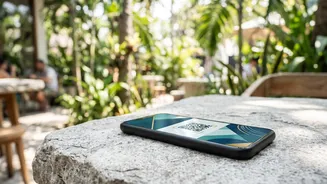
The primary fraud risk that has prompted warnings from cybersecurity experts is a low-tech but effective trick: sticker swapping. Scammers will print their own fraudulent QRIS code on a sticker and physically place it over a legitimate merchant's code. This is often done in busy locations or at places where staff might not be constantly monitoring the payment point, like at a donation box in a place of worship or an unattended counter. An unsuspecting customer then scans the code, intending to pay the merchant, but the payment is instead diverted to the scammer's personal account. Because the payment confirmation screen might look legitimate at a glance, the fraud often goes unnoticed until the merchant realizes they never received the money. This type of scam relies on the customer's assumption that the QR code presented is authentic.
More Than Just Stickers: Other QR-Related Risks
While sticker swapping is the most common physical threat, QR codes can also be used in digital scams. This is often a form of 'quishing' (QR code phishing). Scammers might send a QR code via a messaging app or email, promising a special deal or refund. When scanned, this code doesn't initiate a payment but instead directs the user to a fake website designed to steal personal information like banking passwords, PINs, or credit card details. The site might look identical to an official banking or e-wallet login page. Another tactic involves fake payment confirmation screens. Scammers may pretend to scan and pay, then show a doctored screenshot as proof of payment, hoping the busy merchant won't doublecheck their own system to confirm receipt of funds. These methods prey on users being distracted or in a hurry, making vigilance a crucial defense.
Your Checklist for Safe QRIS Payments
The good news is that protecting yourself is straightforward with a few simple habits. First and foremost, always verify the merchant's name on your payment app screen before you enter your PIN or confirm the transaction. When you scan a legitimate QRIS code, your app will display the name of the registered merchant. If the name that appears is a personal name or something different from the shop you're in, cancel the transaction immediately. Be physically observant: check if the QRIS code looks like it has been tampered with or has a sticker pasted over it. Only scan codes using official payment or banking apps, not your phone's generic camera app. Enable transaction notifications on your phone so you get an immediate alert for every payment. And finally, always have a backup payment method, like some cash or a physical card, just in case a transaction feels suspicious or fails to go through.
The Verdict: Should You Still Use QRIS?
Absolutely. The risks highlighted are not due to a flaw in the QRIS system itself, which is a secure and regulated national standard. Rather, the fraud relies on tricking the user. The convenience and widespread acceptance of QRIS make it an invaluable tool for any traveler in Indonesia. Avoiding it entirely means fumbling with cash, dealing with money changers, and potentially paying higher ATM fees. The key is not to fear the technology but to use it wisely. By adopting a cautious mindset and following the simple verification steps, you can confidently take advantage of the digital payment revolution that has transformed Indonesia. Think of it like any other travel safety precaution: be aware of your surroundings, trust your instincts, and always doublecheck the details before you commit. A few seconds of verification can ensure your money goes where it's intended, letting you focus on enjoying your trip.