


The Monsoon Appeal and Its Risks
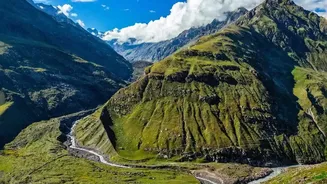
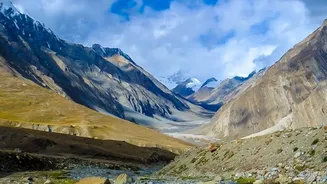
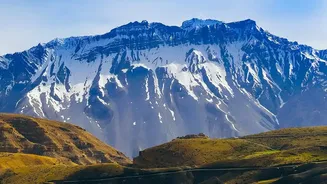
Spiti Valley, a high-altitude cold desert, is technically in a rain-shadow area, meaning the valley itself receives minimal rainfall. This makes it an alluring destination when the rest of the country is drenched. The approach roads, however, are a different
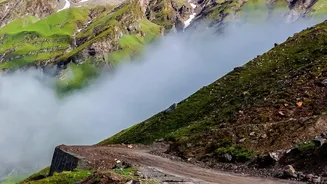
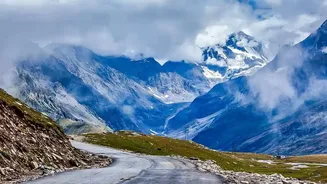
story. The monsoon season, from July to early September, makes the journey to Spiti a high-stakes adventure. While you might find fewer tourists and lush green patches in surrounding areas like Kinnaur, the primary risks are significant: unpredictable landslides, rockfalls, and sudden road closures on the access highways.
Current Road Status: Two Routes, Two Challenges
As of early August 2026, both primary routes to Spiti are open, but each comes with its own set of monsoon-related warnings. The Shimla-Kaza route via Kinnaur (NH-5) is generally considered the more reliable, all-weather option. However, during the monsoon, it's highly susceptible to landslides, particularly on the stretches between Wangtu and Sumdo, and near Nigulsari. Expect potential delays due to ongoing road repairs from previous years' damages. The Manali-Kaza route, via the Atal Tunnel and Kunzum Pass, is shorter but significantly tougher. The approximately 50-60 km stretch from Gramphu to Batal is notoriously difficult, with broken surfaces and multiple water crossings fed by rain, making it unpredictable. This route is strongly recommended only for 4x4 vehicles and experienced mountain drivers. A sedan is not advised for this section.
Permit Requirements for Indian Road-Trippers
Here's some good news: for Indian citizens, a special permit is not required for most of Spiti Valley. You can travel freely to Kaza and the surrounding monasteries and villages. However, you must carry a valid government-issued photo ID like an Aadhaar card or passport at all times. You will encounter several police and army checkpoints, especially on the Shimla-Kaza route, where you will need to show your ID for registration. While a formal permit isn't needed for the valley itself, if you are travelling via the Manali route, your vehicle will require a permit to go beyond the Atal Tunnel towards Spiti. This permit can be booked online and should be secured in advance. Foreign nationals, on the other hand, require a Protected Area Permit (PAP) for entering the region, which can be obtained from offices in Shimla, Reckong Peo, or Kaza.
Your Monsoon Safety Checklist
Safety cannot be an afterthought on this journey. A successful monsoon trip to Spiti is a well-prepared one. Your vehicle should be in top condition, with special attention to brakes, tires, and suspension. If taking the Manali route, a high-ground-clearance 4x4 is almost non-negotiable. Always check the daily weather forecast and road status from official sources like the Himachal Pradesh police or district administration pages before starting your day. Build buffer days into your itinerary; a two-day journey can easily become a four-day ordeal if you're stuck due to a landslide. Pack essential supplies including a first-aid kit, extra food, water, a powerful torch, and fully charged power banks. Finally, travel in daylight and avoid driving at night when visibility is poor and risks are higher.
In Case of Emergency
Getting stranded is a real possibility. If a landslide blocks the road, the most important rule is to be patient and listen to local authorities. Do not try to cross a freshly cleared landslide zone until it is declared safe. Keep emergency contacts, including local police and district administration numbers, saved offline on your phone. Inform your family or a friend about your daily itinerary so someone knows your whereabouts. If you get stuck, stay with your vehicle unless the location itself is unsafe. Local drivers and villagers are often the best source of real-time information and assistance. Their experience in this terrain is invaluable, so heed their advice.