




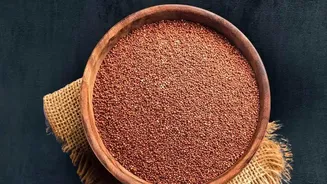

Why Your Gut Loves Millets
Millets are celebrated as gut-friendly superfoods for a good reason. Unlike polished white rice, which is a simple carbohydrate stripped of its fibre, millets are complex carbohydrates packed with nutrients. Their most significant advantage is their high
dietary fibre content. Most millets contain both soluble and insoluble fibre, which work together to improve digestion. Insoluble fibre adds bulk to your stool, helping to prevent constipation, while soluble fibre forms a gel-like substance that slows digestion, allowing for better nutrient absorption and feeding the good bacteria in your gut. This prebiotic effect is crucial; it helps create a balanced gut microbiome, which is essential for everything from immunity to mental clarity. Furthermore, millets are naturally gluten-free and alkaline, making them gentle on the stomach and reducing issues like acidity and bloating that can be associated with other grains.
Spotlight on Foxtail Millet (Kangni)
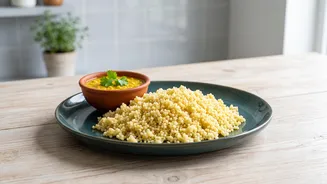
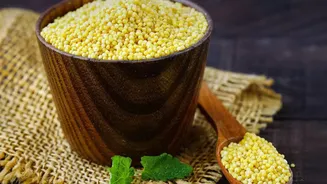
Foxtail millet, known as Kangni in Hindi or Thinai in Tamil, is a fantastic starting point for anyone new to millets. It is particularly rich in dietary fibre, which promotes regular bowel movements and helps maintain a healthy digestive system. Its prebiotic properties nourish beneficial gut bacteria, reducing common digestive complaints like gas and bloating. Nutritionally, foxtail millet outshines white rice by offering significantly more protein, iron, and calcium. Its low glycemic index also means it releases sugar into the bloodstream slowly, providing sustained energy without the spikes associated with refined grains. To cook foxtail millet as a rice replacement, first rinse it thoroughly. Soaking the millet for at least an hour (or up to 5-6 hours) will soften the grains and reduce cooking time. Use a ratio of one cup of millet to about two-and-a-half cups of water. Bring the water to a boil, add the drained millet, and simmer on low heat for 15-20 minutes until the water is absorbed. Let it rest, covered, for about 10 minutes before fluffing with a fork for a perfect, rice-like texture.
Get to Know Sorghum (Jowar)
Sorghum, or Jowar, is another nutritional powerhouse and a staple in many parts of India. It's particularly lauded for its high concentration of dietary fibre and resistant starch. These components act as prebiotics, fostering a diverse and healthy gut microbiome. Studies suggest that compounds in sorghum can help reduce inflammation in the gastrointestinal tract. Compared to white rice, sorghum provides significantly more protein and essential minerals like iron, magnesium, and phosphorus. This makes it a more nutrient-dense choice that contributes to feeling full for longer, which can aid in weight management. Cooking whole grain sorghum is simple, though it takes longer than rice. It can be cooked on the stovetop like other grains. For every cup of whole grain sorghum, use three cups of water. Bring it to a boil and then let it simmer for about 45-60 minutes until tender but still chewy. Using a pressure cooker can significantly speed up this process. Cooked sorghum has a firm, slightly chewy texture and a mild, earthy flavour that works well as a base for curries, stews, and salads.
Making the Switch Seamless and Delicious
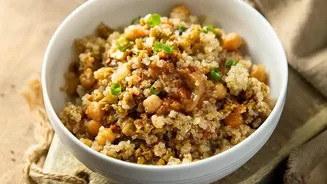
Switching from a lifetime of white rice to millets doesn't have to be drastic. The key is gradual integration. Start by mixing cooked millet with your regular rice in a 50/50 ratio. This allows your palate and your digestive system to adjust. As you get more comfortable, you can increase the proportion of millets. Experiment with different dishes. Millet pulao, for instance, is a delicious and easy way to incorporate foxtail millet into your meals. You can also use cooked millets as a base for curd rice, lemon 'rice', or simply serve it alongside your favourite dal and sabzi. Remember to rotate between different millets like foxtail, sorghum, ragi, and bajra to get a wider array of nutrients. Because of their high fibre content, it's also important to drink plenty of water throughout the day to help your digestive system process it effectively.