




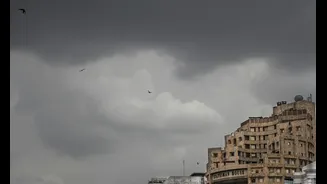
A Tale of Two Monsoons
The 2026 Southwest Monsoon season, which officially concluded on September 30, was a study in contrasts. The season ended with a rainfall deficit for the country as a whole, with some regions experiencing drought-like conditions. However, the withdrawal
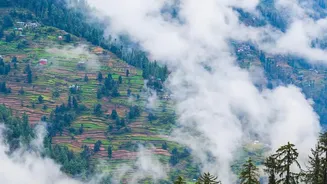
has been erratic. While the monsoon has retreated from most of north and central India, its lingering presence and interaction with other weather systems are now bringing moisture and rainfall to other areas just as the festival season hits its peak. The India Meteorological Department (IMD) has noted that while October is generally a drier month, a combination of atmospheric troughs and cyclonic circulations is creating conditions for post-monsoon showers in specific zones.
Regions Under a Rain Cloud
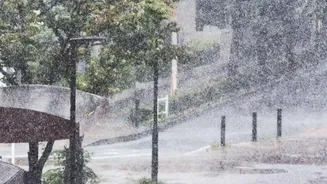
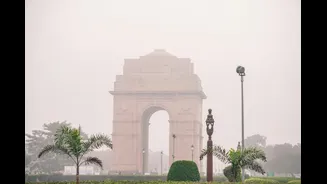
Travelers heading to southern and eastern India should be particularly vigilant. The IMD has forecast fairly widespread rainfall for several southern states through the first and second week of October. Kerala, Tamil Nadu, and both coastal and south interior Karnataka are on alert for isolated heavy rainfall, thunderstorms, and gusty winds. Similarly, parts of eastern India, including Sub-Himalayan West Bengal, Sikkim, Odisha, and the northeastern states of Arunachal Pradesh and Assam, are expected to see scattered to widespread rain. There is also a potential low-pressure area forming over the Bay of Bengal around October 13, which could bring showers during the Durga Puja and Dussehra festivities, particularly affecting states like Odisha and West Bengal. In contrast, most of North India, including Delhi, is expected to remain largely dry, though a Western Disturbance might bring light, scattered rain around October 6-10.
Potential Impact on Travel
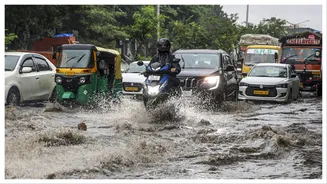
For the millions embarking on their festival journeys, this weather could translate into significant travel disruptions. Heavy rainfall often leads to waterlogging on city streets and national highways, which can cause major traffic slowdowns and unsafe driving conditions. Poor visibility due to intense showers is another major concern for road travelers. Air travel is also susceptible to delays, diversions, or cancellations. Thunderstorms and strong winds in the vicinity of airports can temporarily halt operations, leading to cascading effects on flight schedules across the country. The rail network, while generally robust, is not immune. Heavy and persistent rain can affect track conditions and signaling systems, potentially causing delays or rescheduling of train services, a critical mode of transport for festive travel.
How to Plan for a Smoother Journey
While you can't change the weather, you can certainly prepare for it. The most crucial step is to stay updated with the latest weather forecasts from the IMD as your travel date approaches. Build flexibility into your itinerary; if possible, book flights and trains that allow for changes with minimal penalties. If you are driving, check your vehicle's essentials—tyres, wipers, and headlights—before you start. Have a power bank handy to keep your phone charged, as it’s your primary tool for information and communication. Packing a raincoat or umbrella seems obvious, but it's easily forgotten. Finally, inform your family or hosts at your destination about your travel schedule and keep them updated on your progress, especially if you encounter delays.