



Meet Your 'Second Brain'
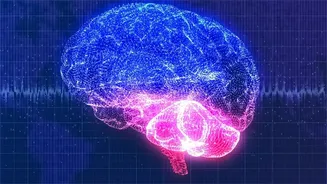
It might sound strange, but your digestive system is often called your ‘second brain’. This is because your gut is lined with millions of nerve cells, forming a complex network known as the enteric nervous system. This system is in constant two-way communication
with the brain in your head, a relationship called the gut-brain axis. This connection is so profound that it can influence everything from your emotions to your ability to concentrate. What happens in your gut doesn't stay in your gut; it sends signals that can directly impact your overall sense of well-being. This is why stressful situations can lead to an upset stomach, and conversely, why an imbalanced gut can contribute to feelings of anxiety or a low mood.
Fermentable Fiber: Fuel for Good Feelings
This is where fermentable fiber comes in. Also known as prebiotics, these are types of dietary fiber that your body can't digest on its own. Instead, they travel to your colon, where they become the preferred food for your beneficial gut bacteria. As these good microbes feast on fiber, they ferment it and produce powerful compounds called short-chain fatty acids (SCFAs). These SCFAs, such as butyrate, propionate, and acetate, are the real heroes of the story. They help reduce inflammation, which is often linked to depression and anxiety, and strengthen the lining of your gut. By nourishing the right bacteria, you are essentially creating a factory for mood-stabilising compounds right inside you.
How Fiber Feeds Your Focus
The benefits of SCFAs extend directly to your brain. Some of these molecules can cross the highly selective blood-brain barrier, where they can have a protective effect and help reduce brain fog. Furthermore, a healthy gut microbiome, fed by plenty of fiber, plays a critical role in producing neurotransmitters. You’ve likely heard of serotonin, the “happy hormone,” but you may not know that an estimated 90% of it is produced in your gut. By eating fiber-rich foods, you provide the raw materials needed to support the production of these essential brain chemicals that regulate not just mood, but also learning and memory.
Probiotics: The Reinforcement Crew
If fermentable fibers are the food, probiotics are the friendly microbes themselves. Probiotics are live, beneficial bacteria found in certain foods and supplements. They help bolster the population of good bacteria in your gut, crowding out the harmful kinds and restoring a healthy balance. Certain strains, sometimes called 'psychobiotics,' have been shown in studies to have a positive impact on mental health, helping to reduce feelings of stress and anxiety and improve cognitive function. Think of probiotics as reinforcements for your internal army, ensuring your gut ecosystem is strong, resilient, and working in favour of your mental well-being.
Stocking Your Kitchen for a Better Mood
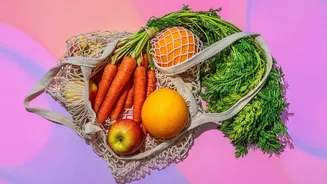
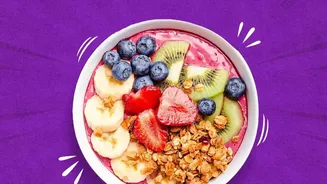
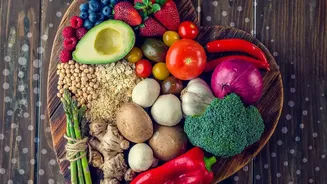
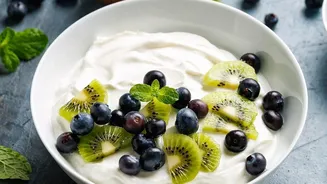
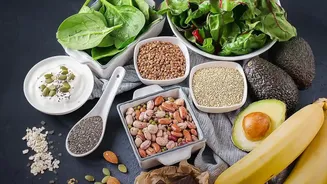
Incorporating these gut-friendly foods into your diet is simpler than you might think. Many are staples in Indian cuisine. For fermentable fiber (prebiotics), focus on garlic, onions, bananas (especially slightly raw ones), oats, apples, lentils (dal), and chickpeas. Moong dal is particularly good as it provides soluble fibre without causing heavy bloating. For probiotics, look no further than homemade curd (dahi), which is one of the best natural sources. Other excellent choices include buttermilk (chaas), lassi, and traditionally made salt-and-sun pickles (achar, without vinegar). Fermented rice and batters for dishes like idli and dosa also contribute, though some live cultures are lost during cooking. The key is variety to nourish a wide range of beneficial microbes.