


The Humble Powerhouse: Meet Sattu
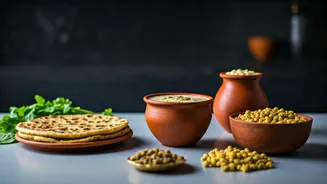
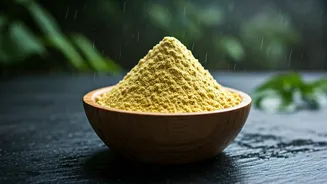
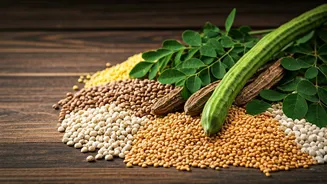
The food in question is sattu, a flour-like powder made from roasted grains, most commonly Bengal gram (kala chana). For generations, it has been a humble, life-sustaining staple in states like Bihar, Jharkhand, Uttar Pradesh, and West Bengal. Traditionally
associated with farmers and labourers, sattu was prized for its ability to provide sustained energy through long, hard days of physical work. It’s often called the 'poor man's protein'—a nickname that, while highlighting its affordability, fails to capture its sophisticated nutritional profile and incredible versatility. The process of roasting the gram before grinding it is key; this not only imparts a unique, nutty flavour but also increases the bioavailability of its nutrients and extends its shelf life, making it perfect for storage without refrigeration.
Why It's the Smartest Travel Food
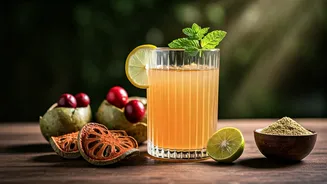
What makes sattu a genius travel food comes down to three things: convenience, nutrition, and hydration. Unlike most snacks, its simplest and most popular preparation requires zero cooking. Just mix a few spoons of sattu with water, a pinch of salt, and a squeeze of lime to create a nourishing, filling drink known as sattu sharbat. This instant meal-in-a-glass is not only refreshing but also incredibly hydrating, making it ideal for combating the heat and fatigue of travel. It’s lightweight, compact, and requires no special equipment. In an era of overpriced airport sandwiches and unhealthy highway snacks, a small pouch of sattu is a self-sufficient, healthy, and economical solution. It provides slow-release energy, preventing the sugar crashes associated with processed snacks, keeping you alert and full for hours.
A Nutritional Goldmine
Modern nutritional science is finally catching up to what generations of Indians already knew. Sattu is a powerhouse of nutrients. It's packed with plant-based protein, making it an excellent option for vegetarians and vegans. It’s also rich in insoluble fibre, which aids digestion and promotes a feeling of fullness, helping to curb unhealthy cravings. With a low glycemic index, it releases sugar into the bloodstream slowly, making it beneficial for managing blood sugar levels. Furthermore, sattu is rich in essential minerals like iron, manganese, and magnesium, and it has natural cooling properties that help regulate body temperature—a significant benefit in India's hot climate. This profile makes it far superior to the empty calories found in most convenient, packaged foods.
From Rural Staple to Urban Superfood
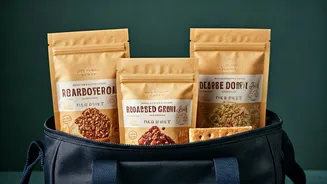
So why the comeback? Sattu’s resurgence is part of a larger cultural shift towards wellness and an appreciation for indigenous, traditional foods. As urban Indians become more health-conscious, they are looking past exotic, imported 'superfoods' like quinoa and kale and rediscovering the nutritional treasures in their own backyards. Start-ups and new-age food brands have been quick to notice, packaging sattu in sleek, modern pouches and marketing it as a high-protein, gluten-free alternative. You can now find sattu-based energy bars, protein shakes on cafe menus, and countless recipes on social media. This modern rebranding has helped sattu shed its 'poor man's' image and gain acceptance among a new, health-focused generation that values both authenticity and performance.
Beyond the Traditional Sharbat
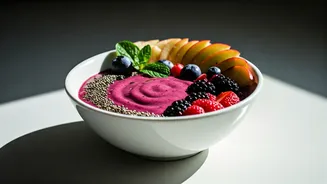
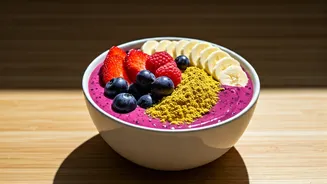
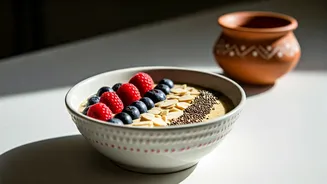
While the classic salty sharbat remains a favourite, sattu’s versatility is a major driver of its renewed popularity. Today, it’s being used in a myriad of creative ways. Fitness enthusiasts blend it into their post-workout smoothies for a protein boost. Home cooks are using it to make laddoos, pancakes, and chillas. Its most famous solid form is the litti, a traditional Bihari dish where sattu is used as a spicy, savoury stuffing for whole wheat dough balls, which are then roasted over a fire. This demonstrates its potential as a base for hearty, portable meals. By adapting it for modern palates and lifestyles—from a quick morning shake to a component in baked goods—sattu is proving it can fit seamlessly into the contemporary Indian kitchen.