


What is Sourdough Discard Anyway?
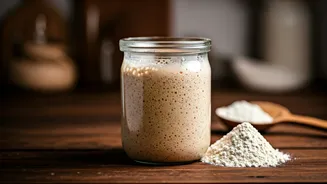
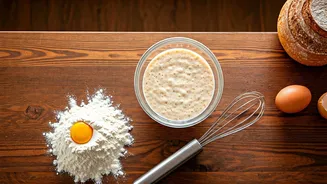
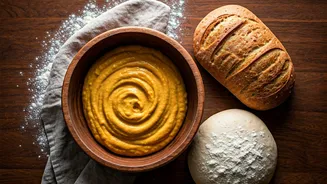
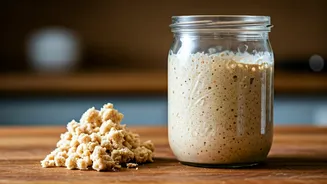
If you've ever maintained a sourdough starter, you're familiar with the daily ritual of 'feeding' it with fresh flour and water. A starter is a living culture of wild yeast and bacteria. To keep it healthy and prevent it from growing into an unmanageable
quantity, you must first remove a portion before each feeding. That removed portion is what's known as 'sourdough discard'. The name implies it should be thrown away, and historically, much of it was. Without this regular removal, you would quickly have kilograms of starter to maintain, which is simply not practical for a home baker. This discard is essentially an unfed, inactive starter, but it's packed with tangy flavour and is perfectly safe to use.
From Kitchen Waste to Culinary Gold
For years, tossing the discard was just part of the process, leading to a significant amount of food waste over time. A baker feeding their starter daily could generate a substantial amount of discard each week. This practice felt increasingly out of step for many, especially with a growing commitment to mindful consumption and reducing kitchen waste. The turning point came when bakers and home cooks began to re-examine this byproduct not as waste, but as a valuable ingredient in its own right. Some have even started calling it 'sourdough surplus' to shift the perception. This change in mindset has sparked a creative movement, transforming a sustainable challenge into a delicious opportunity.
The Flavour and Benefits of Baking with Discard
Using discard isn’t just about sustainability; it also enhances your cooking. Sourdough discard imparts a distinct tangy flavour that can add a wonderful complexity to a wide range of recipes. Think of it as a secret ingredient that provides the depth you might get from buttermilk or cultured cream. Beyond flavour, it can improve the texture of baked goods, making them more moist and tender. There are also potential health benefits. Because the flour in the discard has been fermented, some find it easier to digest. The fermentation process also breaks down some gluten and can result in baked goods with a lower glycemic index.
A World of Discard Possibilities
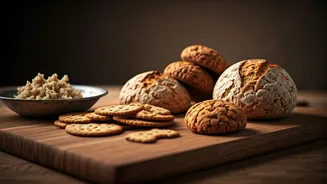
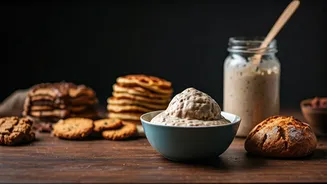
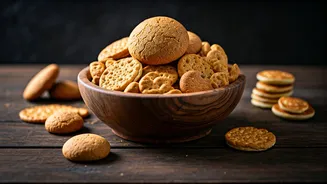
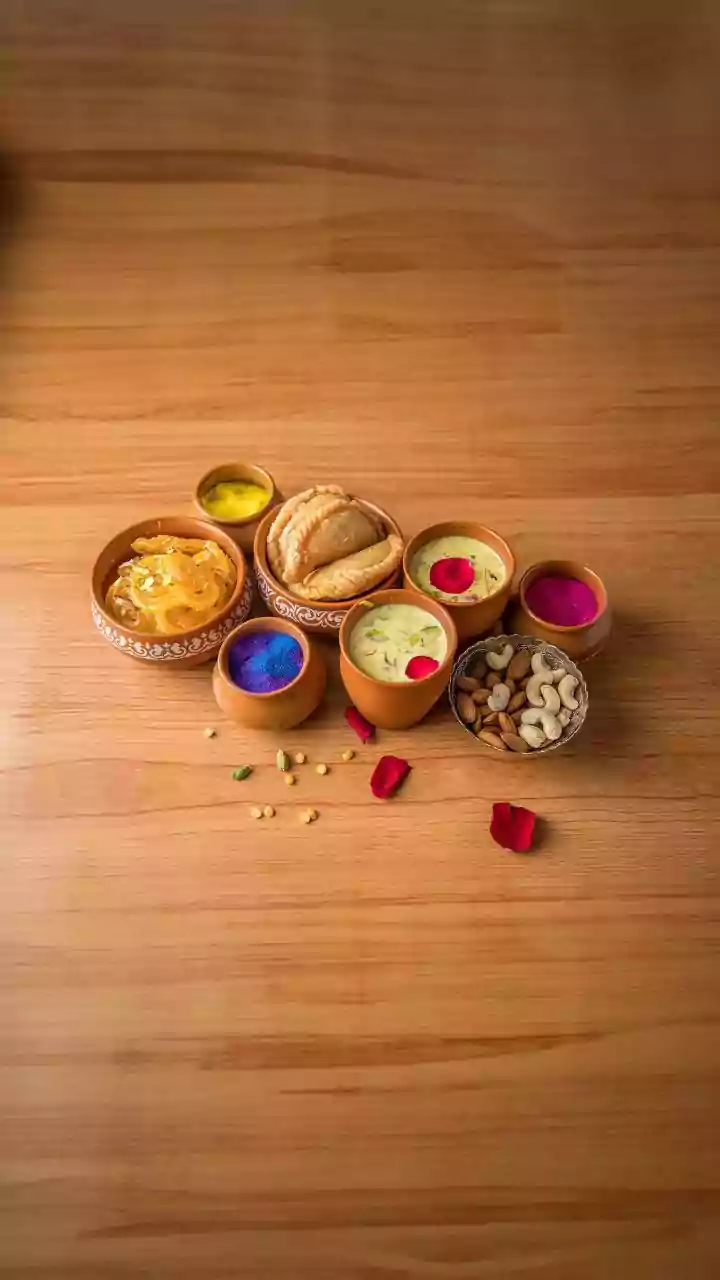
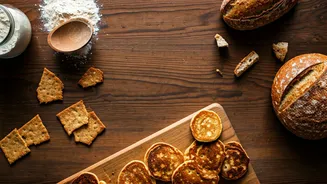
The versatility of sourdough discard is astonishing. It can be incorporated into recipes that have their own leavening agent, like baking soda or powder, as the discard itself doesn't have the rising power of an active starter. The most popular gateway recipes are pancakes, waffles, and crackers. From there, the possibilities expand into both sweet and savoury realms. Creative cooks are making everything from fluffy biscuits and tangy pizza crusts to rich chocolate cakes, brownies, and cookies. It can even be used as a batter for fried chicken or vegetables. In an Indian context, the tangy flavour profile works beautifully in recipes like cheela, masala parathas, and even jalebis, adding a unique twist to traditional dishes.
Getting Started with Zero-Waste Sourdough
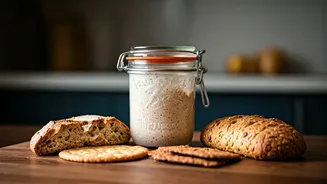
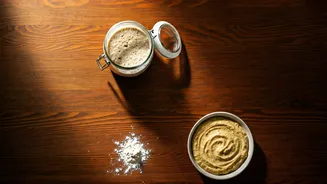
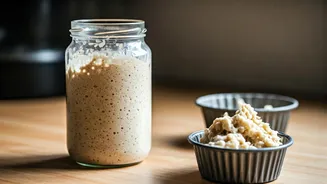
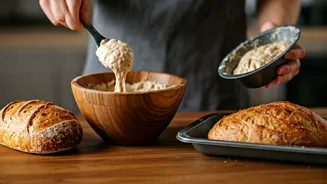
Embracing the discard evolution is simple. Instead of tossing it, start collecting your discard in a dedicated jar in the refrigerator. It can be stored for up to a week or two, and you can keep adding to it after each feeding. When you're ready to bake, it's best to bring the discard to room temperature for better integration with other ingredients. Start with a simple recipe, like pancakes or crackers, to get a feel for how it behaves. As you get more comfortable, you can experiment by adding it to your favourite muffin, quick bread, or even pasta dough recipes. You’ll not only be reducing food waste but also unlocking a new layer of flavour and creativity in your kitchen.