




The Shifting Spirit of Celebration
At its heart, Navratri remains a period of spiritual significance, honouring the nine forms of Goddess Durga. The core rituals of puja, fasting, and prayer continue to be central for millions. However, the canvas of celebration has grown wider and more
colourful. The modern Navratri experience is increasingly a blend of devotion and lifestyle, where personal faith is complemented by shared cultural activities. This evolution reflects a broader trend where festivals are becoming opportunities for experiential living, driven by a desire to celebrate not just in prayer, but in every aspect of life. This shift has turned the nine-day festival into a significant driver of economic activity, from retail and dining to travel and decor.
A Culinary Festival for Every Palate
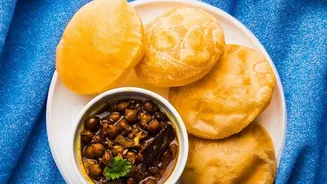
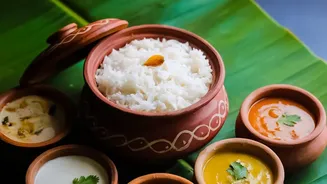
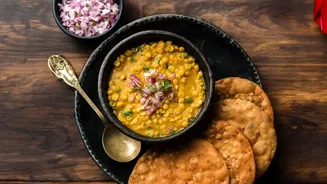
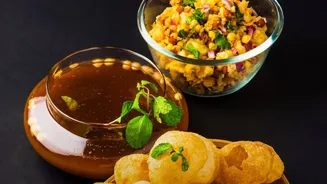
Fasting during Navratri no longer means dull or repetitive meals. Restaurants across India, from casual eateries to fine-dining establishments, now curate elaborate Navratri-special menus. These menus offer creative, gourmet vrat-friendly dishes that are made without onion or garlic, using ingredients like water chestnut flour (kuttu), sago (sabudana), and rock salt. Diners can find everything from beetroot sago risotto and sweet potato croquettes to lavish Navratri thalis featuring a dozen different preparations. This culinary explosion caters not only to those who are fasting but also to food enthusiasts eager to explore traditional ingredients presented in a modern way. The trend has made dining out a key part of the festive experience for many families.
Journeys of Faith and Festivity
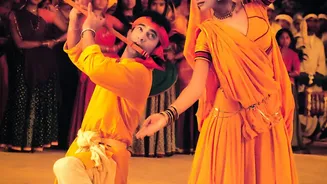
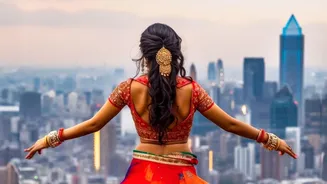
Navratri is increasingly becoming a reason to travel. Many people are planning trips to experience the festival in its most iconic forms. Gujarat, with its world-renowned Garba and Dandiya events in cities like Ahmedabad and Vadodara, is a top destination for those seeking high-energy dance celebrations. In West Bengal, the same period is celebrated as Durga Puja, drawing travellers to Kolkata to witness the spectacular, art-filled pandals. Other popular destinations include Mysore for its royal Dasara procession and Kullu for its unique mountain folklore traditions. This rise in 'festival tourism' shows a growing desire to immerse oneself in diverse cultural expressions of the same underlying celebration, blending pilgrimage with vacation.
Styling the Home for Nine Nights of Joy
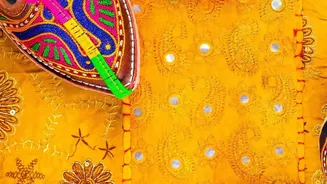
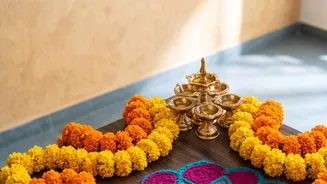
The festive spirit is also dramatically changing how people decorate their homes. Beyond cleaning and setting up a simple pooja corner, home styling for Navratri has become a significant trend. The focus is on creating a warm, inviting, and vibrant atmosphere for family gatherings. This includes decorating entrances with fresh flower torans and rangoli, using themed colour schemes for textiles like cushions and curtains, and incorporating traditional elements like brass diyas and urlis. Many now follow the nine-day colour sequence, subtly changing their decor each day to match the colour associated with the form of the Goddess being worshipped. This trend has fueled a market for handcrafted and eco-friendly decor, from hand-painted diyas and clay idols to bamboo lamps and jute runners.