


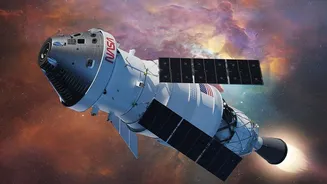
What Is an Orbital Data Centre?
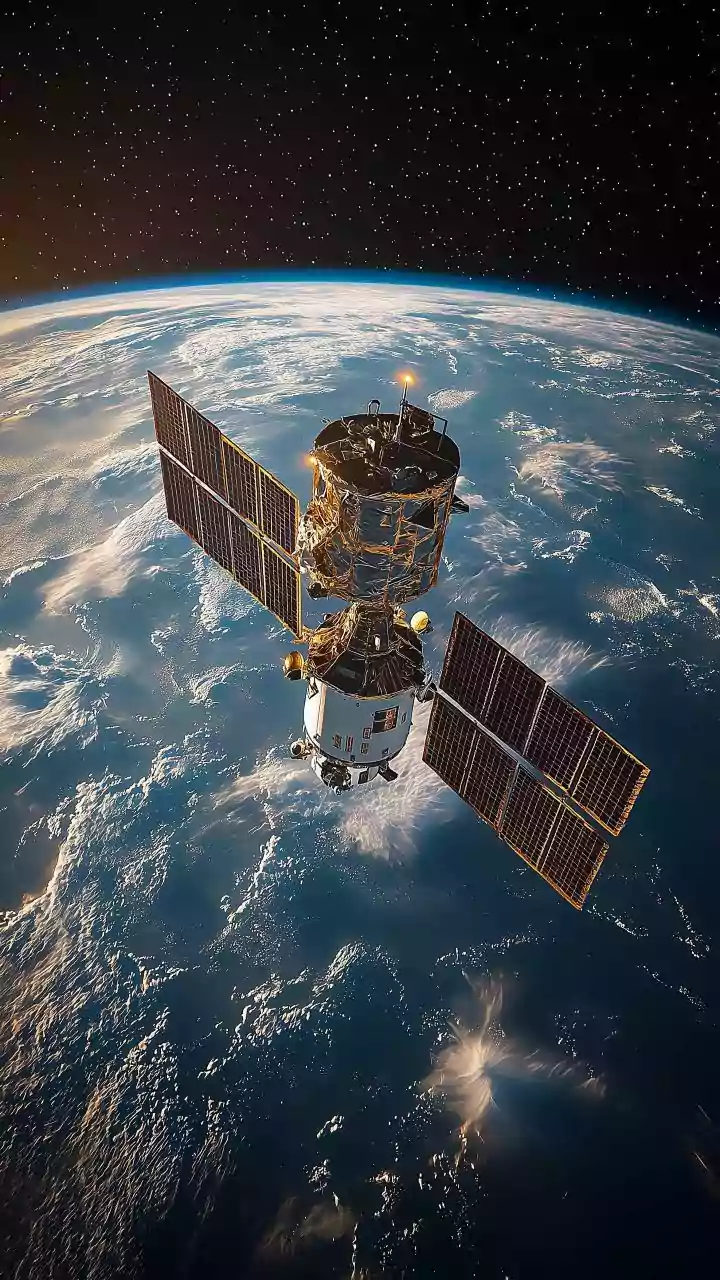
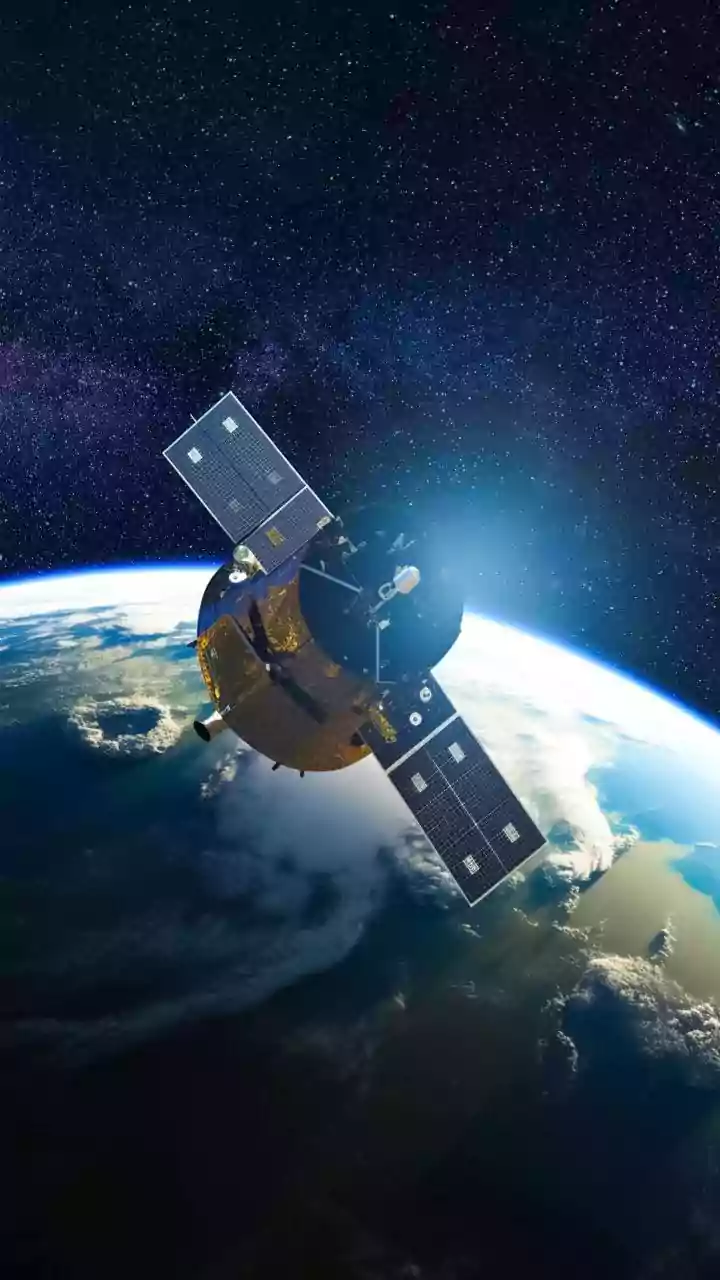
Imagine a server farm, not in a vast, air-conditioned warehouse, but orbiting hundreds of kilometres above Earth. That is the core idea behind an orbital data centre. Companies like Starcloud, Aetherflux, and Axiom Space are pioneering this new frontier,
with some already having launched test hardware. Starcloud even successfully trained an AI model in orbit in late 2025. The goal is to create constellations of satellites that do more than just relay signals; they will actively process and store massive amounts of data in space. These proposals range from adding computing nodes to existing satellite networks to launching thousands of dedicated data-processing spacecraft. This shift is driven by the enormous energy and resource demands of terrestrial data centres, especially those powering artificial intelligence.
Why Put Data Centres in Space?
The business case for orbital data centres is compelling. For one, space offers abundant, uninterrupted solar power and a natural vacuum that solves the immense cooling challenges faced by data centres on Earth. Proponents argue this could make AI model training significantly cheaper from an energy standpoint. Furthermore, processing data in orbit, close to where it is collected by other satellites, reduces latency. Instead of beaming raw data down to Earth, processing it, and sending it back up, the analysis can happen in space, providing faster results for everything from Earth observation to in-orbit manufacturing. Companies like Axiom Space are building the infrastructure for this 'orbital cloud', envisioning a network that provides greater security, resilience, and data sovereignty for clients on Earth and in space.
A Shadow on the Stars
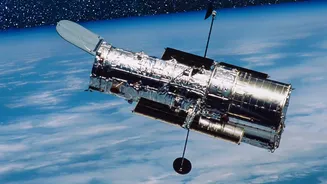
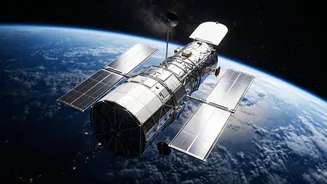
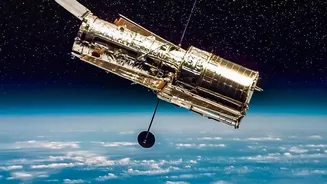
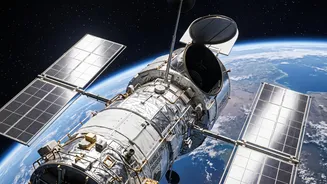
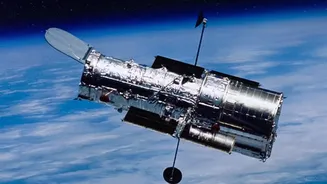
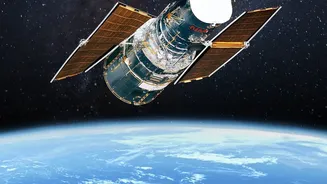
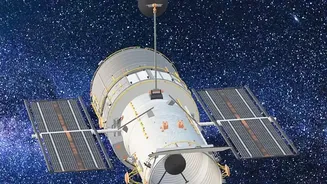
However, this leap in computing comes with a significant downside for astronomy. Every satellite is essentially a mirror. Even when it's night on the ground, satellites in low-Earth orbit can still be illuminated by the sun, reflecting sunlight back down. This reflected light appears as a bright streak across a telescope's long-exposure image, potentially ruining an entire observation. The number of active satellites has already exploded from around 1,000 a decade ago to over 17,000 today, with estimates suggesting that number could exceed 100,000 within the next ten years. Orbital data centres would add a new category of large, persistent infrastructure, potentially numbering in the hundreds of thousands, dramatically increasing this problem. This isn't just an issue for ground-based telescopes; even the Hubble Space Telescope's images are increasingly being contaminated.
An Existential Threat to Astronomy
For astronomers, this is more than an inconvenience. The Vera C. Rubin Observatory in Chile, a flagship project designed for a comprehensive survey of the universe, has called the proliferation of satellites an 'existential threat'. The bright streaks can saturate a telescope's sensitive detectors, rendering portions of images unusable. Even faint trails, when removed with software, can leave residual effects that corrupt data for studies of faint galaxies or the hunt for potentially hazardous asteroids. The cumulative effect of tens of thousands of new light sources could raise the overall brightness of the night sky, effectively drowning out faint stars and the Milky Way itself. Some projections warn that at certain times, man-made satellites could outnumber the visible stars.
The Search for a Compromise
The conflict has spurred a dialogue between satellite operators and the astronomical community. Companies like SpaceX have experimented with mitigations like 'DarkSat', which used a special anti-reflective coating, and 'VisorSat', which uses a sunshield to block light. Other proposed solutions include using different materials, orienting satellites to reduce reflections, and operating constellations at lower altitudes so they spend more of the night in Earth's shadow. However, no single solution is perfect. Dark coatings, for example, can cause satellites to absorb more heat, creating thermal management issues. Astronomers are calling for a combination of better design, international regulation, and shared data so that observatories can at least try to schedule observations to avoid the brightest satellites. The challenge is finding a balance before the sky is irrevocably changed.