






The Science of 'Fitness Snacks'
The exciting new concept revolutionising how we think about exercise is called Vigorous Intermittent Lifestyle Physical Activity, or VILPA. This refers to the short bursts of high-intensity effort we perform as part of our daily lives, often without even
thinking of it as a workout. We’re talking about activities that last just one to two minutes, like carrying heavy shopping bags up a flight of stairs or running to catch the bus. A landmark study published in Nature Medicine was the first to accurately measure the benefits of VILPA by having participants wear activity trackers. The results were astounding: just three to four one-minute bursts of VILPA per day were associated with up to a 49% reduction in death related to cardiovascular disease. These 'fitness snacks,' when accumulated throughout the day, provide a powerful protective effect on our hearts.
What 'Vigorous' Really Means
The key to unlocking these benefits is intensity. But 'vigorous' doesn't mean you need to be an elite athlete. A simple way to gauge the intensity is the 'talk test'. During moderate activity, you can still hold a conversation. During vigorous activity, you become breathless enough that you can only speak a few words at a time. Think about the feeling of rushing up a few flights of stairs—your heart rate is up, you're breathing heavily, and you can feel the effort in your muscles. That’s the zone you're aiming for. It's about pushing yourself to a point of noticeable exertion, even if it's only for 60 seconds. Research has shown that even a single minute of this vigorous effort can have a similar risk-reduction benefit for heart health as three to four minutes of more moderate activity.
Your Home Is Your New Gym
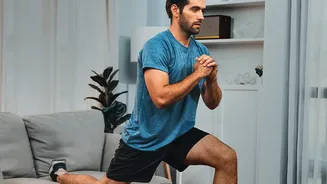
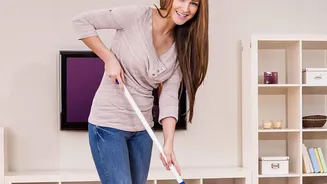
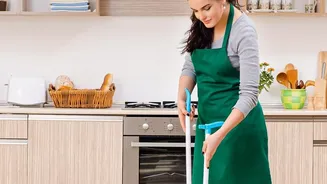
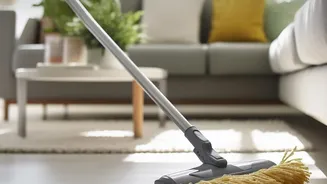
The best part about VILPA is that you are likely already doing some of these activities. The trick is to perform them with intention and a bit more intensity. By reframing household chores, you can turn your daily to-do list into a heart-pumping workout. Some of the most effective VILPA-friendly chores include: Energetic Vacuuming or Mopping: Don't just go through the motions. Pick up the pace, use larger movements, and engage your core as you push and pull. Adding lunges as you vacuum can increase the intensity even further. Scrubbing Surfaces: Whether it's the bathroom tiles or a tough spot on the floor, scrubbing requires significant upper body strength and can elevate your heart rate quickly. Carrying Heavy Groceries: Instead of taking multiple light trips from the car, challenge yourself by carrying heavier loads. Walking briskly or taking the stairs adds an extra cardiovascular boost. Intense Yard Work: Activities like digging, turning compost, or rapidly raking leaves are excellent full-body workouts that can easily be done in short, vigorous bursts.
Putting It All Together
Integrating VILPA into your life doesn’t require scheduling. It’s about seizing small opportunities for intensity. When you see a flight of stairs, take them two at a time. When carrying laundry, move a little faster. Turn on some music and transform your floor scrubbing into a high-energy, one-song workout. The study found that while benefits started with just a few minutes a day, they continued to increase with more frequency. Participants who managed around 11 short bursts per day saw a 65% reduction in cardiovascular death risk. The goal is to consciously look for moments to get a little breathless. These small, consistent efforts add up to a significant investment in your long-term health, proving that every movement truly counts.
Is This a Replacement for Exercise?
While the benefits of VILPA are clear and substantial, it's important to see it as a powerful supplement to, not a complete replacement for, a healthy lifestyle. Official guidelines still recommend at least 150 minutes of moderate-intensity exercise or 75 minutes of vigorous-intensity exercise per week for optimal health. However, with studies showing that fewer than one in five adults meet these guidelines, VILPA offers a practical and accessible starting point for the vast majority of people who don't engage in regular, structured exercise. It bridges the gap between being sedentary and being active. Think of it as a crucial tool in your health toolkit, ensuring that even on your busiest days, you are actively protecting your heart and reducing your risk of chronic disease.