







1. Tackle Dampness Head-On
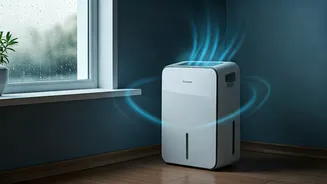
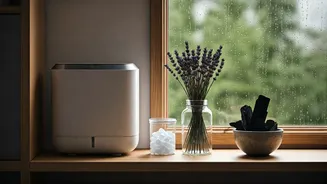
Humidity is the number one enemy during the monsoon. It makes everything feel sticky, encourages mould growth, and creates that signature musty smell. Winning the war on dampness is your first and most important step. But it doesn't require expensive
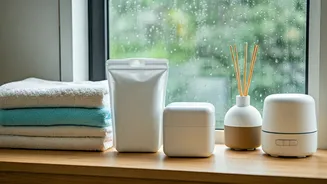
dehumidifiers. Good old-fashioned ventilation is your best friend. Open your windows for at least 30 minutes on dry, sunny days to let fresh air circulate. On rainy days, use exhaust fans in kitchens and bathrooms even when you're not cooking or showering to pull damp air out. A surprisingly effective trick? Place bowls of rock salt or charcoal briquettes in corners of rooms, inside cupboards, and in shoe racks. Both are excellent natural moisture absorbers and can be replaced every few weeks.
2. Protect Your Wardrobe
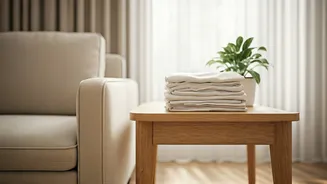
There’s nothing worse than pulling out your favourite shirt only to find it smells damp and feels slightly clammy. To prevent this, ensure your clothes are 100% dry before putting them away. If you’re drying clothes indoors, position them near a window or use a fan to speed up the process. Don’t overcrowd your wardrobe; give your clothes space to breathe. You can hang small cloth bags filled with dried neem leaves, cloves, or even unused chalk sticks inside your closets. Neem and cloves are natural pest repellents and anti-fungal agents, while chalk absorbs excess moisture. Another classic solution is placing naphthalene balls, but wrap them in paper or cloth to avoid direct contact with your garments.
3. Keep Walls and Furniture on Watch
Mould and mildew thrive on damp walls and wooden furniture. Catching them early is key. Once a week, do a quick visual inspection of areas prone to dampness, like walls behind large furniture, corners near windows, and bathroom ceilings. If you spot small patches of green or black mould, you can often treat them yourself. Create a simple solution of equal parts white vinegar and water in a spray bottle. Spray the affected area, let it sit for an hour, and then wipe it clean with a cloth. For wooden furniture, avoid using wet cloths for cleaning. Instead, use a dry microfibre cloth for dusting. To add a layer of protection, shift furniture about six inches away from walls to allow for better air circulation behind them.
4. Evict Unwanted Pests
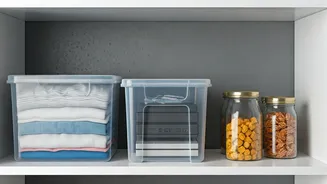
The monsoon is peak season for all sorts of creepy crawlies seeking shelter from the rain. Cockroaches, ants, and termites become more active. The easiest way to deter them is to maintain a clean kitchen. Wipe down counters after every meal, don’t leave food out, and store all dry goods in airtight containers. Seal any cracks or holes you find in walls, floors, or around pipes, as these are common entry points. For a natural deterrent, sprinkle a line of turmeric powder or boric acid (use with caution if you have pets or small children) near doorways and windowsills. A spray made of water and a few drops of peppermint or eucalyptus oil can also help keep ants and spiders at bay.
5. Banish Musty Odours Naturally
Even if your home is clean, a lingering musty smell can make it feel unpleasant. Commercial air fresheners often just mask the odour with heavy chemicals. Instead, focus on eliminating the source and introducing natural fragrances. Aside from the rock salt and charcoal mentioned earlier, you can simmer a pot of water with cinnamon sticks, cloves, and citrus peels for a wonderful, homey aroma. Placing a few blocks of camphor in different corners of the room also works as a powerful air purifier and insect repellent. Finally, don’t underestimate the power of clean linens. Regularly washing your curtains, bedsheets, and cushion covers is crucial for keeping your home smelling fresh.
6. Manage Floors and Footwear
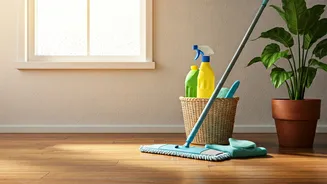
Muddy footprints are an unavoidable part of the season. The simplest solution is the most effective: a sturdy doormat. Place one outside and one inside every entrance to your home. Encourage family members and guests to wipe their feet thoroughly and, if possible, leave wet or muddy shoes by the door. For daily cleaning, a quick sweep or vacuum is better than mopping with excess water, which can add to the indoor humidity. When you do mop, use a disinfectant floor cleaner and wring out the mop until it’s just damp, not soaking. This ensures the floor dries quickly, preventing slips and further moisture buildup.